Mostrando entradas con la etiqueta Third Molar. Mostrar todas las entradas

jueves, 7 de mayo de 2026

Pericoronitis Prevention: Can It Be Avoided?

Pericoronitis

Pericoronitis is a common inflammatory condition affecting the soft tissues surrounding partially erupted teeth, particularly mandibular third molars. The condition may range from localized discomfort to severe odontogenic infections with systemic involvement.

📌 Recommended Article :
Dental Article 🔽 Wisdom Tooth Infection (Pericoronitis): Causes, Symptoms, and Evidence-Based Treatment ... A wisdom tooth infection, clinically known as pericoronitis, is a common inflammatory condition affecting partially erupted third molars.
Preventive strategies focus on oral hygiene optimization, regular dental monitoring, early management of impacted teeth, and patient education. This article reviews the etiology, risk factors, prevention methods, clinical considerations, and evidence-based recommendations regarding the prevention of pericoronitis.

Advertisement

Introduction
Pericoronitis is defined as an inflammatory and infectious process involving the gingival tissues surrounding the crown of a partially erupted tooth. The condition is most frequently associated with partially impacted mandibular third molars due to the accumulation of plaque, food debris, and bacteria beneath the operculum.
The prevalence of pericoronitis is higher among adolescents and young adults, particularly between 20 and 29 years of age. Although acute episodes are often manageable, recurrent inflammation may significantly affect oral function and quality of life. In severe cases, infection may spread to adjacent fascial spaces, causing cellulitis, trismus, dysphagia, or systemic complications.
Understanding whether pericoronitis can be prevented is clinically important because prevention may reduce the need for emergency treatment and lower the risk of severe odontogenic infections.

📌 Recommended Article :
Dental Article 🔽 Is dental extraction recommended for diabetic patients? ... Dental extraction in patients with diabetes mellitus is not contraindicated per se, but it requires strict metabolic control and careful clinical planning.
Etiology and Risk Factors

Partial Tooth Eruption
The primary etiological factor is the presence of a partially erupted tooth, usually a lower third molar. The gingival flap covering the tooth creates a favorable environment for bacterial proliferation.

Poor Oral Hygiene
Inadequate oral hygiene contributes to plaque retention beneath the operculum, increasing bacterial colonization and inflammatory responses.

Impacted Third Molars
Mesioangular and vertically impacted mandibular third molars are frequently associated with recurrent pericoronitis due to difficult cleaning access and chronic soft tissue irritation.

Local Trauma
Trauma from opposing maxillary molars may exacerbate inflammation of the opercular tissue.

Systemic and Behavioral Factors
Smoking, stress, immunosuppression, fatigue, and upper respiratory infections may increase susceptibility to acute episodes.

📌 Recommended Article :
Dental Article 🔽 Analgesic and Antibiotic Recommendations in Pediatric Oral Surgery ... Selecting appropriate analgesic and antibiotic therapy is essential to ensure safety, comfort, and recovery while minimizing adverse reactions and resistance.
Can Pericoronitis Be Prevented?

1. The Role of Oral Hygiene
The most effective preventive strategy involves maintaining excellent oral hygiene around partially erupted molars. Patients should be instructed to:
▪️ Use soft-bristle toothbrushes to clean distal molar regions.
▪️ Employ interdental brushes or oral irrigators when appropriate.
▪️ Rinse with antimicrobial mouthwashes such as chlorhexidine under professional supervision.
Regular cleaning reduces bacterial load and decreases inflammatory episodes.

2. Professional Dental Monitoring
Periodic dental evaluations allow early identification of impacted or partially erupted teeth at risk of infection. Clinical and radiographic monitoring can help determine whether preventive intervention is necessary.
Dentists should evaluate:
▪️ Eruption pattern
▪️ Operculum anatomy
▪️ Presence of recurrent inflammation
▪️ Oral hygiene accessibility
▪️ Risk of future impaction-related pathology

3. Operculectomy as a Preventive Measure
In selected cases,operculectomy may reduce recurrent inflammation by removing the soft tissue flap covering the tooth. However, recurrence may occur if the tooth remains partially erupted.

4. Early Extraction of Third Molars
When recurrent inflammation or unfavorable eruption patterns are identified, prophylactic extraction of third molars may be considered. Removal of high-risk impacted teeth can prevent repeated episodes and associated complications.
The decision should be individualized according to:
▪️ Patient age
▪️ Surgical difficulty
▪️ Risk-benefit analysis
▪️ Presence of pathology
▪️ Symptoms and recurrence frequency

📌 Recommended Article :
Dental Article 🔽 Before and After Tooth Extraction: Dental Care Guidelines to Promote Safe Healing ... This guide explains, in simple and clear language, what to do before and after a dental extraction, and the scientific reasons behind each recommendation.
Clinical Signs Suggesting Increased Risk
Patients with the following findings may have a higher risk of developing pericoronitis:
▪️ Persistent gingival flap inflammation
▪️ Food impaction around third molars
▪️ Difficulty maintaining hygiene
▪️ Recurrent pain or swelling
▪️ Halitosis
▪️ Trismus
▪️ Tender lymphadenopathy
Early intervention in these patients may reduce complications.

📌 Recommended Article :
Dental Article 🔽 Dental Sealants in Children: Types, Benefits, and Evidence-Based Application Technique ... Dental sealants in children are a cornerstone of preventive pediatric dentistry and play a critical role in reducing occlusal caries in permanent molars.
Management Strategies to Prevent Recurrence

Local Debridement
Mechanical irrigation and debridement of the opercular area help reduce bacterial accumulation.

Antimicrobial Therapy
Antibiotics are reserved for cases with systemic involvement, facial swelling, fever, or spreading infection. Routine antibiotic overuse should be avoided.

Occlusal Adjustment
If trauma from the opposing tooth contributes to inflammation, selective occlusal adjustment may be considered.

Definitive Surgical Treatment
Extraction remains the most definitive treatment for recurrent or severe pericoronitis associated with impacted third molars.

💬 Discussion
Current evidence supports the concept that pericoronitis is largely preventable, particularly through early diagnosis and proper oral hygiene practices. The condition is strongly associated with partially erupted mandibular third molars, where bacterial biofilm accumulation plays a central pathogenic role.
While conservative approaches such as irrigation and operculectomy may provide temporary relief, recurrence rates remain significant if anatomical or eruptive factors persist. Therefore, careful risk assessment is essential when determining whether long-term monitoring or extraction is the most appropriate strategy.
Contemporary guidelines emphasize individualized management rather than universal prophylactic extraction of asymptomatic third molars. However, patients with recurrent inflammation, poor hygiene accessibility, or high-risk impaction patterns may benefit from early surgical intervention.
Preventive education is equally important. Patients should understand the relationship between plaque accumulation and opercular inflammation, especially during third molar eruption stages.

📌 Recommended Article :
Dental Article 🔽 When Should an Infected Tooth Be Extracted? Updated Criteria for Primary and Permanent Dentition ... The decision to extract an infected tooth requires a careful assessment of the severity of the infection, the prognosis of the tooth, and the systemic risks for the patient.
🎯 Recommendations
▪️ Maintain strict oral hygiene around erupting third molars.
▪️ Schedule regular dental examinations and radiographic monitoring.
▪️ Seek professional care promptly when pain or swelling develops.
▪️ Consider third molar extraction in cases of recurrent pericoronitis.
▪️ Avoid self-medication and unnecessary antibiotic use.
▪️ Educate patients regarding early symptoms and preventive care.

✍️ Conclusion
Pericoronitis can often be prevented through effective plaque control, routine dental monitoring, and timely management of partially erupted or impacted third molars. Preventive strategies reduce the risk of recurrent infection, pain, and serious odontogenic complications. Individualized treatment planning remains essential, particularly when considering surgical intervention. Early recognition and evidence-based preventive care are fundamental for maintaining oral health and minimizing morbidity associated with pericoronitis.

📚 References

✔ American Association of Oral and Maxillofacial Surgeons. (2016). Management of third molar teeth. Rosemont, IL: AAOMS.
✔ Ghaeminia, H., Perry, J., Nienhuijs, M. E., Toedtling, V., Tummers, M., Hoppenreijs, T. J. M., & Mettes, T. G. (2020). Surgical removal versus retention for the management of asymptomatic disease-free impacted wisdom teeth. Cochrane Database of Systematic Reviews, 5(5), CD003879. https://doi.org/10.1002/14651858.CD003879.pub5
✔ Kay, L. W. (1966). Investigations into the nature of pericoronitis. British Journal of Oral Surgery, 3(3), 188–205. https://doi.org/10.1016/S0007-117X(66)80029-2
✔ McArdle, L. W., & Renton, T. F. (2012). Distal cervical caries in the mandibular second molar: An indication for the prophylactic removal of third molar teeth? British Journal of Oral and Maxillofacial Surgery, 50(2), 185–189. https://doi.org/10.1016/j.bjoms.2011.02.014
✔ Newman, M. G., Takei, H., Klokkevold, P. R., & Carranza, F. A. (2019). Carranza’s Clinical Periodontology (13th ed.). Elsevier.
▪️ Susarla, S. M., Dodson, T. B., & Nalliah, R. P. (2020). Third molar surgery and associated complications. Oral and Maxillofacial Surgery Clinics of North America, 32(4), 493–502. https://doi.org/10.1016/j.coms.2020.06.004

📌 More Recommended Items

Pericoronitis Post-Op Care: Clinical Guide
Things You Should Know Before and After Third Molar Extraction
Differential Diagnosis of Post-Extraction Conditions: Clinical Guide for Dentists

viernes, 3 de abril de 2026

Dexamethasone in Third Molar Surgery: Protocols

Dexamethasone - Third Molar

Dexamethasone is widely used in third molar surgery to reduce postoperative pain, edema, and trismus. Its anti-inflammatory properties, long half-life, and favorable safety profile support its use as an adjunct to standard analgesic protocols.

📌 Recommended Article :
Dental Article 🔽 8 interesting facts about the Wisdom Tooth ... While they often emerge in late adolescence or early adulthood, their presence and impact on oral health have been subjects of extensive study.
This article reviews evidence-based dosing regimens, routes of administration, and clinical outcomes associated with dexamethasone in oral surgery.

Advertisement

Introduction
Surgical extraction of impacted third molars is frequently associated with postoperative inflammatory complications, including pain, facial swelling, and limited mouth opening. Corticosteroids such as dexamethasone have been extensively studied due to their ability to modulate inflammatory mediators and improve postoperative recovery.

📌 Recommended Article :
Dental Article 🔽 Updated Dexamethasone Management in Dentistry: Pharmacology, Clinical Applications, and Protocols ... This article reviews pharmacokinetics, pharmacodynamics, clinical indications, drug combinations, limitations, and updated evidence-based protocols.
Pharmacology and Mechanism of Action
Dexamethasone is a long-acting synthetic glucocorticoid that inhibits phospholipase A2, reducing the production of prostaglandins and leukotrienes. Its biological half-life (36–54 hours) allows prolonged anti-inflammatory effects following a single dose.

Dosage and Administration Protocols

Standard Dosage
▪️ 4–8 mg single dose (most commonly used range in oral surgery)
▪️ Equivalent to approximately 0.05–0.1 mg/kg

Routes of Administration
▪️ Oral (PO): Convenient and non-invasive
▪️ Intramuscular (IM): Commonly administered in the deltoid or gluteal region
▪️ Intravenous (IV): Provides rapid onset in surgical settings
▪️ Submucosal (SM): Injection near the surgical site (intraoral approach)

Timing
▪️ Preoperative (preferred): 1 hour before surgery for optimal effect
▪️ Intraoperative or postoperative: Acceptable alternatives, though slightly less effective

📌 Recommended Article :
Dental Article 🔽 Pharmacological Management According to Post-Extraction Complications ... This article reviews current evidence on the pharmacological management of post-extraction complications, including pain, alveolar osteitis, infection, and soft tissue inflammation.
Clinical Outcomes and Evidence

Pain Reduction
Systematic reviews indicate that dexamethasone significantly reduces postoperative pain intensity, especially within the first 24 hours.

Edema Control
Substantial evidence demonstrates decreased facial swelling, particularly when administered preoperatively.

Trismus Reduction
Improved mouth opening has been consistently reported, enhancing patient comfort and recovery.

📌 Recommended Article :
Dental Article 🔽 Amoxicillin vs. Clindamycin in Pediatric Dental Infections: Clinical Dosing, Mechanisms of Action, and Evidence-Based Comparison ... However, systemic antimicrobial therapy is only indicated when there is systemic involvement, spreading cellulitis, or risk of deep space infection.
💬 Discussion
The literature strongly supports the use of dexamethasone as an adjunctive therapy in third molar surgery. Preoperative administration appears superior in controlling inflammatory sequelae. Among administration routes, submucosal and intravenous approaches have shown comparable efficacy, with submucosal injection offering a practical advantage in dental settings.
Despite its benefits, clinicians must consider systemic contraindications, including uncontrolled diabetes, active infections, or immunosuppression. Short-term use in healthy patients is generally safe and associated with minimal adverse effects.

🎯 Recommendations
▪️ Administer 4–8 mg dexamethasone preoperatively for optimal
▪️ Consider submucosal injection for convenience and localized effect
▪️ Combine with NSAIDs (e.g., ibuprofen) for multimodal analgesia
▪️ Avoid routine use in patients with systemic contraindications
▪️ Educate patients regarding expected outcomes and minimal risks

✍️ Conclusion
Dexamethasone is an effective and safe adjunct in third molar surgery, significantly reducing pain, swelling, and trismus. Evidence supports its preoperative administration at doses of 4–8 mg, with multiple routes offering comparable outcomes. Its integration into clinical protocols enhances patient recovery and postoperative satisfaction.

📚 References

✔ Markiewicz, M. R., Brady, M. F., Ding, E. L., & Dodson, T. B. (2008). Corticosteroids reduce postoperative morbidity after third molar surgery: a systematic review and meta-analysis. Journal of Oral and Maxillofacial Surgery, 66(9), 1881–1894. https://doi.org/10.1016/j.joms.2008.04.022
✔ Almeida, F. T., et al. (2019). Preemptive effect of dexamethasone in third molar surgery: a meta-analysis. International Journal of Oral and Maxillofacial Surgery, 48(9), 1218–1226. https://doi.org/10.1016/j.ijom.2019.03.904
✔ Lima, C. A., et al. (2015). Evaluation of the effect of dexamethasone in third molar surgery: randomized controlled trial. Med Oral Patol Oral Cir Bucal, 20(6), e720–e725.

📌 More Recommended Items

Dexamethasone in Pediatric Dentistry: Safe Dosage Guide
Surgical Techniques for Third Molar Extraction: Definitions, Indications, and Clinical Advantages
Analgesic Protocols for Pediatric Dental Emergencies (2026): Ibuprofen, Acetaminophen, and Combination Strategies

miércoles, 11 de febrero de 2026

Things You Should Know Before and After Third Molar Extraction

Third Molar Extraction

Third molar extraction, commonly known as wisdom tooth removal, is a frequent oral surgical procedure. Although often routine, it involves biological processes that patients should understand to reduce complications and improve healing.

📌 Recommended Article :
Dental Article 🔽 How to Prevent Dry Socket After Tooth Extraction: Signs, Prevention, and Treatment Guide ... Preventing dry socket is a key responsibility shared by both dental professionals and patients, involving proper surgical technique, patient education, and targeted pharmacological management.
Knowing what to expect before and after the extraction allows better decision-making and safer recovery.

Advertisement

Why Third Molars Often Need Extraction
Third molars usually erupt between 17 and 25 years of age. Due to limited jaw space, they may remain impacted, partially erupted, or misaligned, increasing the risk of:

▪️ Pericoronitis (infection of surrounding gum tissue)
▪️ Dental caries in adjacent teeth
▪️ Periodontal disease
▪️ Cyst or tumor formation
▪️ Chronic pain or jaw discomfort
Early evaluation helps prevent these complications.

📌 Recommended Article :
Dental Article 🔽 Wisdom Tooth Infection (Pericoronitis): Causes, Symptoms, and Evidence-Based Treatment ... The most frequent cause of infection is partial eruption of the third molar, which creates a gingival flap (operculum) that traps plaque and debris.
Key Factors to Consider Before the Procedure

1. Position and Impaction Level
Wisdom teeth may be fully erupted, partially erupted, or completely impacted in bone. Deeper impaction increases surgical complexity, healing time, and postoperative discomfort.

2. Age of the Patient
Younger patients usually experience faster healing and fewer complications, as bone is less dense and roots are not fully developed.

3. Radiographic Evaluation
Panoramic radiographs or CBCT scans help assess root anatomy, nerve proximity, and surgical risk, especially in lower third molars near the inferior alveolar nerve.

4. Systemic Health
Conditions such as diabetes, smoking habits, or immune disorders can delay healing and increase infection risk, requiring tailored surgical planning.

📌 Recommended Article :
Dental Article 🔽 Bleeding After a Tooth Extraction: How to Stop It Safely ... Bleeding after a dental extraction is common and usually normal, especially during the first hours. However, knowing what is normal, how to control bleeding, and when to seek help is essential for proper healing.
What to Expect After Third Molar Extraction
Postoperative symptoms are usually temporary and part of normal healing:

▪️ Swelling (peaks at 48–72 hours)
▪️ Mild to moderate pain
▪️ Limited mouth opening (trismus)
▪️ Minor bleeding during first 24 hours
Proper postoperative care significantly reduces discomfort and complications.

📊 Comparative Table: Postoperative Care After Third Molar Extraction

Care Measure Purpose Important Notes
Cold compress (first 24–48 h) Reduces swelling and inflammation Apply intermittently, not directly on skin
Soft diet Prevents trauma to surgical site Avoid hard, hot, or spicy foods
Oral hygiene with caution Prevents infection Do not rinse forcefully during first 24 h
Avoid smoking Protects blood clot formation Smoking increases dry socket risk
Prescribed medication Controls pain and inflammation Follow dosage exactly as indicated
Common Complications and How to Prevent Them

Dry Socket (Alveolar Osteitis)
Occurs when the blood clot is lost prematurely.
▪️ More common in smokers and difficult extractions
▪️ Prevented by avoiding suction, smoking, and aggressive rinsing

Infection
Signs include increasing pain, swelling, or fever.
▪️ Proper hygiene and medication adherence are essential

📌 Recommended Article :
PDF 🔽 Manual of extraction techniques in pediatric dentistry - Step by step ... Tooth extraction is a routine treatment in the pediatric dentist's office. This procedure is performed when the tooth presents a deep caries and impossible reconstruction, fracture due to trauma, eruptive problems.
💬 Discussion
Third molar extraction is safe when proper diagnosis, surgical technique, and patient cooperation are present. Most complications arise from poor postoperative care or delayed intervention. Clear patient education significantly improves outcomes and satisfaction.

🎯 Recommendations
▪️ Follow all postoperative instructions strictly
▪️ Maintain gentle oral hygiene
▪️ Attend follow-up appointments
▪️ Seek professional care if pain worsens after day 3

✍️ Conclusion
Third molar extraction is a predictable and effective procedure when managed correctly. Understanding the process and applying appropriate postoperative care minimizes complications and ensures safe, comfortable healing.

📚 References

✔ Bui, C. H., Seldin, E. B., & Dodson, T. B. (2003). Types, frequencies, and risk factors for complications after third molar extraction. Journal of Oral and Maxillofacial Surgery, 61(12), 1379–1389. https://doi.org/10.1016/j.joms.2003.04.001
✔ Renton, T., & Yilmaz, Z. (2012). Profiling of patients presenting with post-surgical neuropathy of the trigeminal nerve. Journal of Oral and Maxillofacial Surgery, 70(11), 2611–2620. https://doi.org/10.1016/j.joms.2012.06.195
✔ American Association of Oral and Maxillofacial Surgeons. (2016). Management of third molar teeth. Journal of Oral and Maxillofacial Surgery, 74(12), 2222–2232. https://doi.org/10.1016/j.joms.2016.08.004

📌 More Recommended Items

Surgical Techniques for Third Molar Extraction: Definitions, Indications, and Clinical Advantages
Dental Abscess, Fistula, Cellulitis, and Ludwig's Angina: Differences, Symptoms & Treatment
Risk Factors, Signs & Modern Management of Tongue Cancer: 2025 Review

lunes, 2 de febrero de 2026

Surgical Techniques for Third Molar Extraction: Definitions, Indications, and Clinical Advantages

Third Molar Extraction

The extraction of third molars is one of the most frequently performed oral surgical procedures worldwide. Due to their variable position, eruption pattern, and anatomical relationship with vital structures, third molars often require specific surgical techniques rather than simple exodontia.

📌 Recommended Article :
Video 🔽 How to prevent infections after third molar extraction? ... This video explains the key steps patients should follow — from maintaining gentle oral hygiene, using antiseptic rinses, and avoiding smoking or suction movements, to recognizing early signs of infection or dry socket.
A comprehensive understanding of these techniques allows clinicians to reduce complications, improve healing, and optimize patient outcomes. This article reviews the most commonly used surgical techniques for third molar extraction, focusing on their definitions, clinical characteristics, and advantages.

Advertisement

Main Surgical Techniques for Third Molar Extraction

1. Simple Surgical Extraction
This technique is indicated for fully erupted third molars with favorable angulation and minimal bone resistance. It involves the use of elevators and forceps without flap elevation or bone removal.
Advantages:
▪️ Short surgical time
▪️ Minimal postoperative morbidity
Characteristics:
▪️ Limited to erupted teeth
▪️ Requires adequate crown exposure

2. Surgical Extraction with Mucoperiosteal Flap
A mucoperiosteal flap is raised to gain adequate access to partially erupted or impacted third molars.
Advantages:
▪️ Improved visibility and access
▪️ Better control of surgical field
Characteristics:
▪️ Requires suturing
▪️ Moderate postoperative discomfort

📌 Recommended Article :
Dental Article 🔽 Pediatric Tooth Extraction Techniques: Step-by-Step Clinical Approach ... A clear understanding of anatomical and biological differences, along with appropriate instrumentation and technique, is essential to ensure safe and predictable outcomes.
3. Osteotomy-Assisted Extraction
Osteotomy involves controlled removal of surrounding alveolar bone using rotary instruments or piezoelectric devices.
Advantages:
▪️ Reduces excessive force during extraction
▪️ Allows safer removal of deeply impacted teeth
Characteristics:
▪️ Increased surgical complexity
▪️ Requires precise anatomical knowledge

4. Odontosection
Odontosection consists of sectioning the crown and/or roots to facilitate removal in segments.
Advantages:
▪️ Minimizes bone removal
▪️ Decreases risk of mandibular fracture
Characteristics:
▪️ Commonly combined with osteotomy
▪️ Particularly useful in mesioangular or horizontal impactions

📌 Recommended Article :
Dental Article 🔽 Do Wisdom Teeth Cause Dental Crowding? Updated Evidence and Clinical Insights ... Wisdom teeth, or third molars, typically erupt between the ages of 17 and 21, coinciding with the period when patients often notice anterior crowding of the mandibular incisors.
5. Piezoelectric Surgery
This technique uses ultrasonic vibrations to perform selective bone cutting while preserving soft tissues.
Advantages:
▪️ Reduced risk of nerve injury
▪️ Improved postoperative healing
Characteristics:
▪️ Longer operative time
▪️ Requires specialized equipment

6. Coronectomy
Coronectomy involves removal of the crown while intentionally leaving the roots in situ.
Advantages:
▪️ Significantly reduces risk of inferior alveolar nerve injury
Characteristics:
▪️ Strict case selection required
▪️ Requires long-term radiographic follow-up

📊 Comparative Table: Clinical Characteristics of Third Molars

Clinical Feature Surgical Relevance Potential Complications
Impaction depth Determines need for osteotomy or flap Increased surgical difficulty
Angulation Affects choice of odontosection Risk of adjacent tooth damage
Root morphology Influences extraction strategy Root fracture
Proximity to inferior alveolar nerve Indication for coronectomy Nerve injury or paresthesia
💬 Discussion
The selection of an appropriate surgical technique for third molar extraction is directly related to anatomical, radiographic, and patient-specific factors. Modern approaches, such as piezoelectric surgery and coronectomy, emphasize tissue preservation and risk reduction, particularly in cases involving neural proximity. However, these techniques require advanced training and careful case selection to ensure predictable outcomes.

📌 Recommended Article :
Dental Article 🔽 Bleeding After a Tooth Extraction: How to Stop It Safely ... Bleeding after a dental extraction is common and usually normal, especially during the first hours. However, knowing what is normal, how to control bleeding, and when to seek help is essential for proper healing.
✍️ Conclusion
Surgical extraction of third molars is a procedure that demands precise diagnosis and technique selection. Understanding the definitions, advantages, and characteristics of each surgical approach allows clinicians to tailor treatment plans, minimize complications, and enhance postoperative recovery.

🎯 Clinical Recommendations
▪️ Perform thorough radiographic assessment before surgery
▪️ Select the least invasive technique that ensures complete tooth removal
▪️ Consider coronectomy when nerve injury risk is high
▪️ Provide adequate postoperative monitoring and follow-up

📚 References

✔ Renton, T., Hankins, M., Sproate, C., & McGurk, M. (2005). A randomised controlled clinical trial to compare the incidence of injury to the inferior alveolar nerve after coronectomy and removal of mandibular third molars. British Journal of Oral and Maxillofacial Surgery, 43(1), 7–12. https://doi.org/10.1016/j.bjoms.2004.09.002
✔ Peterson, L. J., Ellis, E., Hupp, J. R., & Tucker, M. R. (2014). Contemporary Oral and Maxillofacial Surgery (6th ed.). Elsevier Mosby.
✔ Monaco, G., De Santis, G., Gatto, M. R., & Corinaldesi, G. (2014). Coronectomy: A surgical option for impacted third molars in close proximity to the inferior alveolar nerve. Journal of the American Dental Association, 145(5), 463–469. https://doi.org/10.14219/jada.2014.13

📌 More Recommended Items

Wisdom Tooth Infection (Pericoronitis): Causes, Symptoms, and Evidence-Based Treatment
Post-extraction care for wisdom teeth - Tips and recommendations
Difference Between Retained and Impacted Teeth: Diagnosis, Implications, and Treatment

martes, 16 de diciembre de 2025

Wisdom Tooth Infection (Pericoronitis): Causes, Symptoms, and Evidence-Based Treatment

Pericoronitis

A wisdom tooth infection, clinically known as pericoronitis, is a common inflammatory condition affecting partially erupted third molars.

📌 Recommended Article :
Dental Article 🔽 Clinical Protocols to Prevent Dry Socket: Evidence-Based Strategies for Dental Professionals ... Dry socket is defined as the loss or disintegration of the blood clot in the extraction socket, resulting in exposed alveolar bone, radiating pain, and delayed healing.
Due to limited space, food impaction, and bacterial accumulation, third molars are particularly vulnerable to infection. Early diagnosis and appropriate management are essential to prevent local and systemic complications.

Advertisement

Causes of Wisdom Tooth Infection
The most frequent cause of infection is partial eruption of the third molar, which creates a gingival flap (operculum) that traps plaque and debris. Additional contributing factors include:

▪️ Poor oral hygiene around impacted teeth
▪️ Recurrent trauma from opposing teeth
▪️ Reduced immune response
▪️ Smoking and stress
▪️ Delayed extraction of impacted third molars

📌 Recommended Article :
Dental Article 🔽 Pharmacological Management According to Post-Extraction Complications ... This article reviews current evidence on the pharmacological management of post-extraction complications, including pain, alveolar osteitis, infection, and soft tissue inflammation.
Signs and Symptoms
Symptoms may range from mild discomfort to severe infection, depending on the extent of bacterial involvement.
Common clinical manifestations include:

▪️ Localized pain in the posterior mandible
▪️ Gingival swelling and erythema
▪️ Purulent discharge
▪️ Halitosis and unpleasant taste
▪️ Trismus (limited mouth opening)
▪️ Dysphagia or referred pain to the ear or throat
▪️ Fever in advanced cases

Severe infections can spread to fascial spaces, posing a risk to systemic health.

📌 Recommended Article :
Dental Article 🔽 Common Local Anesthetics Used in Children — Dosage and Safety Limits (Clinical Guide) ... Safe and predictable pain control is essential in pediatric dentistry. Understanding the dosage limits, pharmacology, and safety profiles of common local anesthetics used in children allows clinicians to minimize adverse events and achieve optimal operative conditions.
Diagnosis
Diagnosis is primarily clinical, supported by:

▪️ Visual examination of inflamed pericoronal tissues
▪️ Palpation for tenderness and suppuration
▪️ Panoramic or periapical radiographs to assess tooth position and impaction
Radiographic evaluation is critical for treatment planning, particularly when extraction is indicated.

📌 Recommended Article :
Dental Article 🔽 Anatomical Landmarks in Dental Anesthetic Techniques: A Complete Clinical Review ... This article reviews the main anatomical references for each local anesthetic technique in both adult and pediatric patients, emphasizing clinical precision and anatomical variations.
Treatment Options
Management depends on infection severity and recurrence.

➤ Acute Management
▪️ Local irrigation and debridement
▪️ Chlorhexidine rinses
▪️ Analgesics and anti-inflammatory drugs
▪️ Antibiotics only when systemic signs are present

➤ Definitive Treatment
▪️ Surgical extraction of the wisdom tooth (preferred in recurrent cases)
▪️ Operculectomy in selected cases
▪️ Monitoring in asymptomatic, fully erupted molars

Antibiotics alone are not definitive treatment and should never replace surgical management when indicated.

📊 Comparative Table: Post-Operative Recommendations After Wisdom Tooth Infection Treatment

Aspect Advantages Limitations
Cold Compress (First 24 Hours) Reduces swelling and post-operative discomfort Limited benefit after the first day
Soft Diet Minimizes trauma to surgical site Temporary dietary restrictions
Chlorhexidine Mouth Rinse Reduces bacterial load and infection risk Possible tooth staining with prolonged use
Avoid Smoking Promotes faster healing and reduces dry socket risk Requires patient compliance
Adequate Oral Hygiene Prevents reinfection and complications Care needed to avoid surgical area trauma
💬 Discussion
Wisdom tooth infections remain a leading cause of emergency dental visits among young adults. Evidence indicates that delayed removal of impacted third molars increases the risk of recurrent infection and surgical complications. Overprescription of antibiotics remains a concern, emphasizing the importance of accurate diagnosis and evidence-based decision-making.

✍️ Conclusion
Wisdom tooth infection is a preventable and manageable condition when identified early. Definitive surgical intervention, combined with proper oral hygiene and post-operative care, significantly reduces recurrence and complications.

📌 Recommended Article :
Dental Article 🔽 Common Complications After Pediatric Tooth Extraction and Management Strategies ... This article reviews the most common complications following pediatric extractions, their clinical and pharmacological management, and preventive strategies to ensure safe outcomes in young patients.
🎯 Clinical Recommendations
▪️ Do not delay evaluation of partially erupted third molars
▪️ Reserve antibiotics for cases with systemic involvement
▪️ Prioritize surgical extraction for recurrent pericoronitis
▪️ Educate patients on proper oral hygiene and post-operative care
▪️ Schedule follow-up appointments to monitor healing

📚 References

✔ American Association of Oral and Maxillofacial Surgeons. (2023). Management of third molar teeth. https://www.aaoms.org
✔ American Dental Association. (2024). Antibiotic use for dental pain and swelling. https://www.ada.org/resources/ada-library/oral-health-topics/antibiotics-for-dental-pain-and-swelling
✔ Hupp, J. R., Ellis, E., & Tucker, M. R. (2020). Contemporary oral and maxillofacial surgery (7th ed.). Elsevier.
✔ Peterson, L. J. (2021). Peterson’s principles of oral and maxillofacial surgery (3rd ed.). PMPH-USA.

📌 More Recommended Items

Differential Diagnosis of Post-Extraction Conditions: Clinical Guide for Dentists
Post-Extraction Complications in Pediatric Dentistry: Prevention and Management of Dry Socket
Post-Operative Care After Local Anesthesia in Dentistry: Updated 2025 Guide

domingo, 24 de agosto de 2025

Do Wisdom Teeth Cause Dental Crowding? Updated Evidence and Clinical Insights

Wisdom Teeth

Wisdom teeth, or third molars, typically erupt between the ages of 17 and 21, coinciding with the period when patients often notice anterior crowding of the mandibular incisors.

📌 Recommended Article :
Dental Article 🔽 8 interesting facts about the Wisdom Tooth ... While they often emerge in late adolescence or early adulthood, their presence and impact on oral health have been subjects of extensive study.
This temporal association has led to the widespread belief that wisdom teeth push other teeth forward, causing malalignment. However, modern research challenges this assumption, emphasizing multifactorial causes of dental crowding.

Advertisement

Current Systematic Evidence

° A systematic review by Lyros et al. (2023) found no statistically significant association between the presence of mandibular third molars and late incisor crowding. The effect was minimal and lacked clinical relevance.
° Conversely, Palikaraki et al. (2024) reported a slight tendency toward increased crowding and reduced arch length in patients with third molars. However, the authors highlighted the need for stronger prospective evidence.

📌 Recommended Article :
Video 🔽 Post-extraction care for wisdom teeth - Tips and recommendations ... Post-operative care is important, which is why we share some tips and recommendations to avoid complications after wisdom tooth extraction.
Observational and Clinical Studies

° Aldhorae et al. (2025), using CBCT in a Yemeni population, found no significant difference in Little’s irregularity index between patients with or without mandibular third molars
° Richardson (1982) suggested a passive role of third molars in late lower crowding, but not strong enough to justify causality.
° Demyati et al. (2024) showed that third molar angulation and lack of space might worsen preexisting crowding, but again, not as a primary cause.

📌 Recommended Article :
Video 🔽 Dental Abscess, Fistula, Cellulitis, and Ludwig's Angina: Differences, Symptoms & Treatment ... While fistulas and cellulitis are often managed on an outpatient basis, Ludwig’s angina remains a true medical emergency.
Professional Opinions
A survey conducted by Gavazzi et al. (2014) among Italian orthodontists and oral surgeons revealed consensus that wisdom teeth do not exert sufficient pressure to cause significant crowding. Therefore, prophylactic extraction is not recommended solely for orthodontic reasons.

Multifactorial Nature of Late Crowding
Late mandibular incisor crowding is now understood as a natural, multifactorial phenomenon, influenced by:

° Genetic and hereditary traits.
° Limited mandibular growth compared to the maxilla.
° Early loss of primary teeth.
° Oral habits during childhood.
° Physiological late crowding: even in patients without third molars, anterior teeth tend to shift with age due to arch changes and muscular forces.

📌 Recommended Article :
Dental Article 🔽 How to Prevent Dry Socket After Tooth Extraction: Signs, Prevention, and Treatment Guide ... Preventing dry socket is a key responsibility shared by both dental professionals and patients, involving proper surgical technique, patient education, and targeted pharmacological management.
✍️ Conclusion
Wisdom teeth are not a major cause of dental crowding. Current evidence suggests their role is minimal, and prophylactic extraction should not be performed solely to prevent orthodontic relapse. Dental crowding should be seen as a multifactorial process, with genetics, growth patterns, oral habits, and natural aging playing central roles. Clinical decisions regarding third molar extraction must rely on clear indications such as pain, pericoronitis, or risk of caries, rather than unproven preventive motives.

📚 References

✔ Aldhorae, K., Ishaq, R., Alhaidary, S., Alhumaidi, A. M., Moaleem, M. M. A., Harazi, G. A., ... & Elayah, S. A. (2025). The association of third molars with mandibular incisor crowding in a group of the Yemeni population in Sana’a city: cone-beam computed tomography. BMC Oral Health.
✔ Gavazzi, M., De Angelis, D., Blasi, S., Pesce, P., & Lanteri, V. (2014). Third molars and dental crowding: different opinions of orthodontists and oral surgeons among Italian practitioners. Progress in Orthodontics, 15, 60.
✔ Lyros, I., et al. (2023). The effect of third molars on mandibular anterior crowding: A systematic review. Journal of Orthodontics.
✔ Palikaraki, G., et al. (2024). Effect of mandibular third molars on crowding of mandibular anterior teeth. Angle Orthodontist.
✔ Richardson, M. E. (1982). The role of the third molar in the cause of late lower arch crowding. Angle Orthodontist.
✔ Demyati, A. K., et al. (2024). Assessment of the relationship between impacted third molars and anterior crowding. Clinical Oral Investigations

📌 More Recommended Items

Guide for the surgical management and oral pathology of the pediatric patient
Post-extraction care for wisdom teeth - Tips and recommendations
Antibiotic Prophylaxis in Pediatric Dentistry: When and How to Use It Safely in 2025

miércoles, 13 de septiembre de 2023

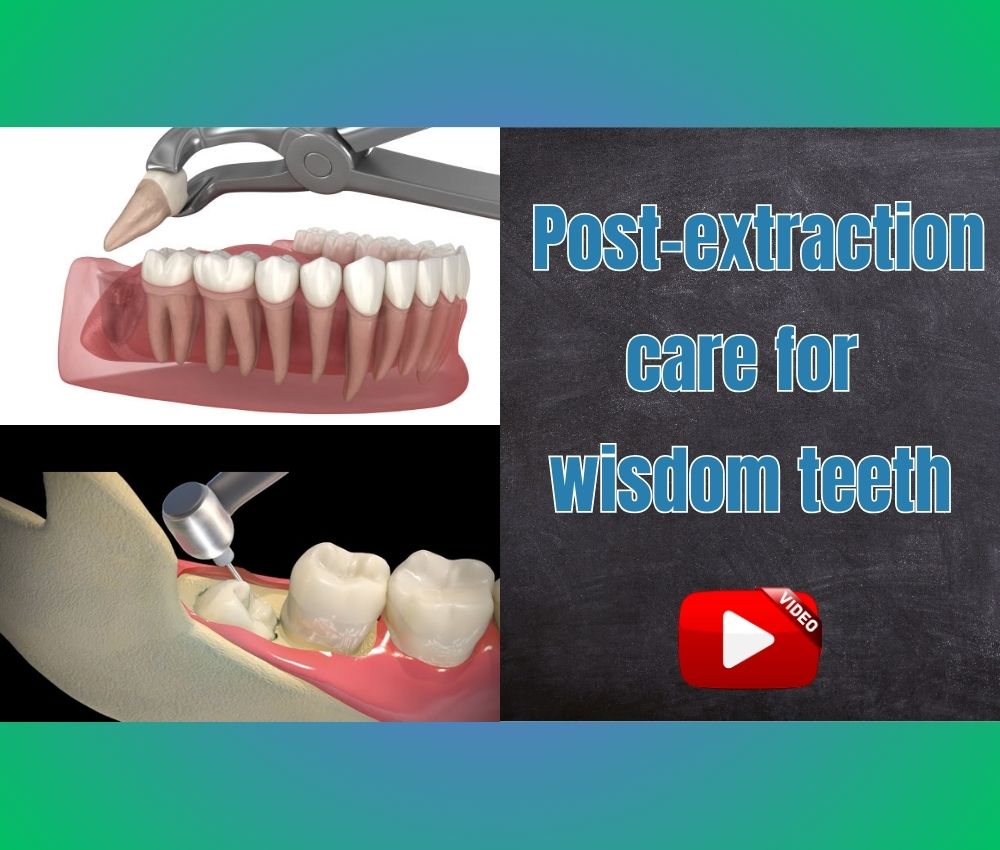
Post-extraction care for wisdom teeth - Tips and recommendations

Oral Surgery

When wisdom teeth do not have enough space to emerge properly it can cause inflammation, pain and infection. In these cases, the wisdom tooth (third molar) must be extracted.

📌 Recommended Article :
VIDEO 🔽 What is a dry socket? All you need to know ... Dry socket is the inflammation of the dental alveolus, and it happens after a post-extraction dental complication, it is very painful, and infrequent, but with the right treatment it disappears in a few days

The procedure is outpatient, and the patient must comply with the pre- and post-operative recommendations. These recommendations aim to avoid some complications such as hemorrhages and alveolitis.

Advertisement

Post-operative care is important, which is why we share some tips and recommendations to avoid complications after wisdom tooth extraction.

📌 Recommended Article :
VIDEO 🔽 Tooth Extraction: Post-Surgical Care and Tips ... The professional should talk with the patient about the care that he should have to avoid complications after the surgical procedure


📌 Watch video " Post-extraction care for wisdom teeth - Tips"


Youtube/ Medinaz

📌 More Recommended Items

THIRD MOLARS: To extract or not to extract?
How is an oral biopsy taken? - Step by step procedure
Why is it recommended to extract a tooth to children?

viernes, 24 de marzo de 2023

What is pericoronitis? Causes, symptoms and treatment

oral-pathology

Pericoronitis is an inflammation of the soft tissue that covers or surrounds a tooth that is in the process of eruption. This condition can occur in primary, mixed and permanent dentition.

📌 Recommended Article:
Watch the video 🔽 What You Should Know About Pericoronitis ... The patient presents with chewing pain, bad breath, inflammation of the gums and in some cases bleeding in the inflamed area.

By partially erupting, the soft tissue can accumulate food and bacteria that are difficult to remove. When the soft tissue becomes inflamed, it causes pain when chewing.

Advertisement

Pericoronitis must be treated in time to avoid more serious infectious processes. Learn about the definition, causes, symptoms and treatment of pericoronitis.

📌 More recommended items

Webinar - Minor Oral Surgery in Pediatric Dentistry
Guide for the surgical management and oral pathology of the pediatric patient
Tooth Extraction Aftercare Tips

📌 Watch the video "Pericoronitis Treatment | Causes & Symptoms"


Youtube/ Dr Teeth

lunes, 6 de diciembre de 2021

How to prevent infections after third molar extraction?

Oral Surgery

After a wisdom tooth extraction, proper post-operative care is essential to ensure safe healing and avoid infections. This video explains the key steps patients should follow — from maintaining gentle oral hygiene, using antiseptic rinses, and avoiding smoking or suction movements, to recognizing early signs of infection or dry socket.

📌 Recommended Article :
Dental Article 🔽 Do Wisdom Teeth Cause Dental Crowding? Updated Evidence and Clinical Insights ... Wisdom teeth, or third molars, typically erupt between the ages of 17 and 21, coinciding with the period when patients often notice anterior crowding of the mandibular incisors.
In the first 24 hours, it’s important to protect the blood clot that forms in the socket, as it serves as a natural barrier against bacteria. Patients should avoid touching the area with their tongue, consuming very hot foods, or performing vigorous rinses. Once healing begins, gentle brushing and the use of warm saline water help keep the area clean and reduce inflammation.

Advertisement

After wisdom tooth extraction, balanced nutrition and hydration are important during recovery. Soft foods such as soups, yogurt, and vegetable purees are recommended to prevent irritation. Regular follow-up visits with your dentist ensure that the surgical area is healing properly and that no infection or inflammation develops.

📌 Recommended Article :
Dental Article 🔽 8 interesting facts about the Wisdom Tooth ... While they often emerge in late adolescence or early adulthood, their presence and impact on oral health have been subjects of extensive study. Here are eight intriguing facts about wisdom teeth, supported by reputable sources and studies.
By following these professional recommendations, you can protect the surgical site, reduce discomfort, and promote a faster, complication-free recovery.

You may also like :
Difference Between Retained and Impacted Teeth: Diagnosis, Implications, and Treatment
What is pericoronitis? Causes, symptoms and treatment
How to Prevent Dry Socket After Tooth Extraction: Signs, Prevention, and Treatment Guide


Source: Youtube / Indication Apertures – RPCLAV

martes, 23 de noviembre de 2021

Virtual Library - Wisdom Teeth: Everything you need to know

Wisdom Teeth

The third molars, also known as wisdom teeth, are the last molars to appear in the dental arch, in an age range between 16 and 25 years. When these teeth are retained they can cause pain, food accumulation or pericoronitis.

The presence of this molar generates doubts and fear in the patient, and the dental community is in charge of clearing all the questions and myths that have been created.

Advertisements

We share an interesting list of articles and videos that answer all the questions about wisdom teeth.


🎯Scientific Articles, PDF Articles, Videos and more below


8 interesting facts about the Wisdom Tooth

Wisdom teeth and orthodontics: Are they related?

Extraction of Third Molars : Why?

THIRD MOLARS: To extract or not to extract?

What problems can wisdom teeth cause?

Animated Video: Wisdom Tooth Extraction

sábado, 8 de mayo de 2021

Animated Video: Wisdom Tooth Extraction

Oral Surgery

Wisdom teeth cause a lot of pain and discomfort when they erupt, and the solution is surgical removal of the tooth.

We invite you to our English-only dental publishing groups

🎯 WhatsApp Group All Odontology
🎯 Telegram Group All Odontology
🎯 Facebook Group All Odontology

The procedure is safe as long as it is performed by a qualified surgeon, and after a clinical and radiographic examination. The post-operative is safe and without major complications.

Advertisement

We share an animated video on the surgical procedure to remove the wisdom tooth, thanks to the Hunterdon Oral & Maxillofacial Surgical Specialists channel.


You may also like :
Is a dental extraction recommended to a diabetic?
How to handle dental trauma?
Video: Dental Abscess in 3d


Source: Youtube/ Hunterdon Oral & Maxillofacial Surgical Specialists

miércoles, 3 de marzo de 2021

8 interesting facts about the Wisdom Tooth

Wisdom Tooth

Wisdom teeth, or third molars, are the last set of molars to develop in the human mouth.

📌 Recommended Article :
Video 🔽 How to prevent infections after third molar extraction? ... We share a video that recommends us what we should do after tooth extraction to avoid infectious processes
While they often emerge in late adolescence or early adulthood, their presence and impact on oral health have been subjects of extensive study. Here are eight intriguing facts about wisdom teeth, supported by reputable sources and studies.

Advertisement

1. Evolutionary Purpose
Wisdom teeth were essential for our ancestors, who consumed a diet of raw plants and uncooked meats. These third molars provided additional grinding power. However, as human diets evolved and cooking became prevalent, the need for these extra teeth diminished. Consequently, modern humans often have smaller jaws, leading to insufficient space for wisdom teeth to erupt properly .

2. Variability in Number and Presence
Not everyone develops wisdom teeth. Some individuals may have one, two, three, four, or none at all. Rarely, some people develop more than four, a condition known as supernumerary teeth. Genetic factors, including mutations in the PAX9 and MSX1 genes, influence the development and presence of these teeth .

📌 Recommended Article :
PDF 🔽 Manual of extraction techniques in pediatric dentistry - Step by step ... The characteristics of the primary teeth and the presence of the germs of the permanent teeth must be taken into account when performing a dental extraction
3. Eruption Age and Anomalies
Typically, wisdom teeth erupt between the ages of 17 and 25. However, there are documented cases of much later eruptions. For instance, Aristotle noted instances where individuals in their 80s developed wisdom teeth, causing significant discomfort .

4. Impaction and Associated Risks
Due to limited space in the modern human jaw, wisdom teeth often become impacted, meaning they do not fully emerge through the gums. Impacted wisdom teeth can lead to complications such as pain, infection, cyst formation, and damage to adjacent teeth. Approximately 12% of impacted wisdom teeth result in pathological conditions.

📌 Recommended Article :
Video 🔽 What is pericoronitis? Causes, symptoms and treatment ... Pericoronitis must be treated in time to avoid more serious infectious processes. Learn about the definition, causes, symptoms and treatment of pericoronitis
5. Stem Cell Potential
Research has identified that the dental pulp of wisdom teeth contains stem cells capable of differentiating into various cell types. These stem cells hold promise for regenerative therapies, including the potential repair of damaged corneas and treatment of neurological conditions .

6. Cultural Nomenclature
The term "wisdom tooth" is derived from their late appearance during the "age of wisdom." Different cultures have unique names for these teeth. For example, in Spanish, they are called "muelas del juicio" (teeth of judgment), and in Korean, they are referred to as "love teeth," reflecting the age when they typically emerge .

📌 Recommended Article :
PDF 🔽 What are those bony bumps in my mouth? (Torus) ... The torus should be removed if they are large and generate aesthetic, chewing, swallowing problems, or when they interfere with the making of dental prostheses
7. Debate Over Extraction Necessity
The decision to extract wisdom teeth, especially when asymptomatic, remains a topic of debate. While some dental professionals advocate for proactive removal to prevent potential future issues, others recommend monitoring and only extracting if problems arise. Current evidence does not conclusively support routine removal of asymptomatic wisdom teeth .

8. Variations in Root Structure
Wisdom teeth exhibit significant variability in root morphology. While they typically have two or three roots, some have been found with up to five. This variability can complicate extraction procedures, making them more challenging compared to other teeth .

📚 Referencias Bibliográfica

✔ Health.com. (2023). Everything You Need to Know About Wisdom Teeth. Retrieved from https://www.health.com/wisdom-teeth-7501625

✔ Verywell Health. (2023). Why Do We Have Wisdom Teeth If We Don't Use Them?. Retrieved from https://www.verywellhealth.com/why-do-we-have-wisdom-teeth-1059377

✔ Mental Floss. (2023). 10 Facts About Wisdom Teeth. Retrieved from https://www.mentalfloss.com/article/554979/facts-about-wisdom-teeth

✔ Positive Health Online. (2023). 7 Lesser Known Facts About Wisdom Teeth. Retrieved from https://www.positivehealth.com/article/dentistry/7-lesser-known-facts-about-wisdom-teeth

You may also like :
Can a tooth be extracted in diabetic patients?
What are the symptoms of pericoronitis?
Post-extraction care for wisdom teeth - Tips and recommendations

miércoles, 28 de octubre de 2020

THIRD MOLARS: To extract or not to extract?

Oral surgery

Third molars, also known as wisdom teeth, erupt between 18 and 25 years of age. The eruption of this molar usually causes pain and discomfort in the patient that must be treated in time.

We invite you to our English-only dental publishing groups

🎯 WhatsApp Group All Odontology
🎯 Telegram Group All Odontology
🎯 Facebook Group All Odontology

Some of the consequences of not removing wisdom teeth are: accumulation of food, cavities, bad breath, pericoronitis.

Many dentists recommend removing wisdom teeth to prevent some kind of complication. We share an interesting video from the Way To Know channel that explains the reasons for extracting a third molar.

RECOMMENDED VIDEO
How To Prevent A Dry Socket
Oral Surgery


You may also like :
What You Should Know About Pericoronitis
What are the symptoms of pericoronitis?
Pulpotomy Medicaments used in Deciduous Dentition: An Update


Source: Youtube/ Way To Know

martes, 13 de octubre de 2020

What problems can wisdom teeth cause?

Oral Surgery

Wisdom teeth are the last molars to come out, appearing between the ages of 18 and 25. At the time of eruption they generate a series of discomforts, even infectious processes.

We invite you to our English-only dental publishing groups

🎯 WhatsApp Group All Odontology
🎯 Telegram Group All Odontology
🎯 Facebook Group All Odontology

Among the discomforts generated by the eruption of the wisdom tooth are: pain, inflammation, infection, bad breath, etc. The indicated and definitive treatment is the extraction of the molar.


We share a video from the Top Doctors UK channel, where Dr. Bhavin Visavadia explains to us what are the problems caused by the eruption of the wisdom tooth.

Oral Surgery


You may also like :
Wisdom teeth and orthodontics: Are they related?
Is a dental extraction recommended to a diabetic?
How To Prevent A Dry Socket


Source: Youtube/ Top Doctors UK

lunes, 18 de mayo de 2020

Wisdom teeth and orthodontics: Are they related?

Oral Surgery

Wisdom teeth erupt between 18 and 25 years of age, generating a series of problems the moment they appear. So it is important to visit your dentist to be evaluated.

The extraction of the wisdom teeth avoids the consequences of their eruption, and these can be: pain, trismus, inflammation, cysts, bad breath and crowded teeth.


In the vast majority of cases it is recommended to be removed preventively and prophylactically. In case the patient wants to start an orthodontic treatment, it is important to extract them so that the treatment is not damaged.

DENTAL ANESTHESIA


You may also like :
Prevention of peri-implantitis - 3D Video
How we can manage orthodontic pain and discomfort?
How to identify the early signs of oral cancer


Source: Youtube/ Temecula Facial Oral Surgery: Dmitry Y. Tsvetov, DDS, MD

jueves, 16 de abril de 2020

Extraction of Third Molars : Why?

Wisdom tooth

The third molars appear between 17 and 25 years of age approximately, and when they appear they generate a series of problems such as pain, inflammation and in some cases infection.


The extraction of the third molars is to prevent the consequences of their eruption, it is important to use x-rays to perform the surgical procedure. This video discusses common problems associated with wisdom teeth such as infection, decay, and gum disease, and its rational for removal.

Oral Health


You may also like :
CORONAVIRUS : What to do if there is a dental emergency during the lockdown?
DENTAL PROSTHESES: What is the difference between ceramic, porcelain and metal crowns?


Source: Youtube/ Kazemi Oral Surgery & Dental Implants