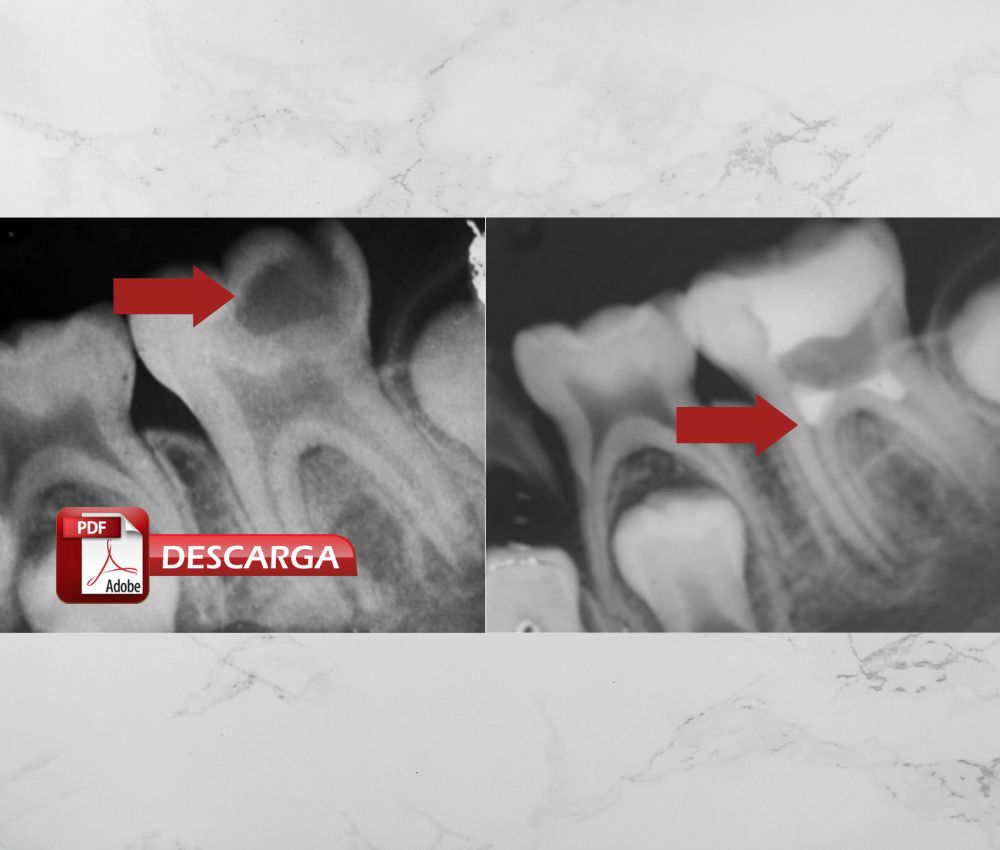
Apexogenesis is a vital pulp therapy aimed at maintaining pulp vitality to allow continued root development in immature permanent teeth. Mineral trioxide aggregate (MTA) has emerged as a gold-standard biomaterial due to its superior biocompatibility and sealing ability.
📌 Recommended Article :
Video 🔽 Apexogenesis: Step by step procedure ... Apexogenesis is performed on immature teeth with open apices that are affected by caries, trauma, or fractures with pulp exposure.This article reviews indications, clinical technique, advantages, and limitations of apexogenesis with MTA, supported by current scientific evidence.
Advertisement
✅ Introduction
Apexogenesis refers to the physiological continuation of root development and apical closure in immature permanent teeth with vital pulp tissue. The preservation of pulp vitality is essential for achieving adequate root length and dentinal wall thickness.
Historically, calcium hydroxide was widely used; however, MTA has gained preference due to improved outcomes, including enhanced dentin bridge formation and superior sealing properties.
📌 Recommended Article :
Dental Article 🔽 Mineral Trioxide Aggregate (MTA) in Pediatric Dentistry: Uses, Benefits, and Clinical Evidence ... Among them, Mineral Trioxide Aggregate (MTA) has emerged as a gold standard for pulp therapy, especially for its regenerative properties and sealing capability.✅ Indications for Apexogenesis with MTA
Apexogenesis using MTA is indicated under the following clinical conditions:
▪️ Immature permanent teeth with open apices
▪️ Vital pulp tissue without signs of necrosis
▪️ Reversible pulpitis or minimal inflammation
▪️ Pulp exposure due to trauma or caries (recent exposure)
▪️ Absence of periapical pathology
These criteria are essential to ensure the success of vital pulp therapy and continued root maturation.
📌 Recommended Article :
Dental Article 🔽 Pulpotomy Materials Comparison: Calcium Hydroxide vs. Mineral Trioxide Aggregate (MTA) in Primary Molars ... Pulpotomy is a widely accepted vital pulp therapy for primary molars affected by carious exposure or traumatic injury, aiming to preserve the radicular pulp and maintain tooth function until natural exfoliation.✅ Biological Properties of MTA
MTA is widely used due to its favorable biological characteristics:
▪️ High biocompatibility
▪️ Ability to stimulate hard tissue (dentin bridge) formation
▪️ Excellent sealing capacity
▪️ Alkaline pH promoting antimicrobial activity
Additionally, MTA has been associated with reduced pulpal inflammation and improved healing outcomes compared to traditional materials.
✅ Clinical Technique (Step-by-Step Protocol)
1. Diagnosis and Case Selection
▪️ Clinical and radiographic evaluation
▪️ Confirmation of pulp vitality
▪️ Assessment of root development stage
2. Anesthesia and Isolation
▪️ Local anesthesia
▪️ Rubber dam isolation to ensure asepsis
3. Caries Removal and Access
▪️ Conservative removal of infected dentin
▪️ Exposure of pulp tissue under sterile conditions
4. Pulpotomy Procedure
▪️ Partial (Cvek) or full pulpotomy depending on inflammation
▪️ Hemostasis achieved using sterile saline or NaOCl
5. Placement of MTA
▪️ MTA is placed directly over the pulp tissue
▪️ A thickness of approximately 2–4 mm is recommended
▪️ Moist cotton pellet placed to allow proper setting
6. Temporary Restoration
▪️ Placement of a temporary restoration
▪️ Final restoration performed after MTA setting
7. Follow-Up
▪️ Clinical and radiographic monitoring at 3, 6, and 12 months
▪️ Evaluation of:
° Continued root development
° Apical closure
° Absence of pathology
📌 Recommended Article :
Dental Article 🔽 CTZ Paste in Primary Teeth Pulp Therapy: Indications, Benefits and Clinical Protocol ... The use of CTZ paste (Chloramphenicol–Tetracycline–Zinc Oxide) in primary teeth remains a topic of interest, especially in cases of infected primary molars where traditional pulpectomy is not feasible.✅ Clinical Outcomes and Success Rates
Studies report high success rates (up to 96%) in posterior teeth treated with MTA apexogenesis.
Favorable outcomes include:
▪️ Continued root elongation
▪️ Thickening of dentinal walls
▪️ Apical closure
▪️ Absence of symptoms or pathology
📌 Recommended Article :
Dental Article 🔽 Zinc Oxide Eugenol vs Calcium Hydroxide–Iodoform in Pulpectomy ... This review analyzes clinical performance, resorption behavior, success rates, and limitations, based on current evidence.💬 Discussion
MTA has significantly improved the prognosis of apexogenesis compared to calcium hydroxide. Its ability to induce predictable dentin bridge formation and maintain pulp vitality makes it a preferred material in pediatric and adolescent patients.
However, limitations persist:
▪️ Long setting time
▪️ Potential tooth discoloration
▪️ Higher cost
▪️ Handling difficulties
Despite these drawbacks, current evidence suggests that MTA provides comparable or superior outcomes to other pulpotomy agents, although further high-quality randomized trials are needed.
✍️ Conclusion
Apexogenesis with MTA represents a reliable and evidence-based approach for managing immature permanent teeth with vital pulp. The procedure allows for continued root development, improved structural integrity, and long-term tooth preservation, making it a cornerstone in modern pediatric endodontics.
🎯 Recommendations
▪️ Perform early diagnosis and intervention to preserve pulp vitality
▪️ Use rubber dam isolation to ensure aseptic conditions
▪️ Prefer partial pulpotomy when feasible to preserve more pulp tissue
▪️ Ensure long-term follow-up to monitor root development
▪️ Consider alternative materials (e.g., biodentine) when esthetics are critical
📚 References
✔ Ageel, B. M., El Meligy, O. A., & Quqandi, S. M. (2023). Mineral trioxide aggregate apexogenesis: A systematic review. Journal of Pharmacy and Bioallied Sciences, 15(Suppl 1), S11–S17. https://doi.org/10.4103/jpbs.jpbs_530_22
✔ Mousivand, S., Sheikhnezami, M., Moradi, S., Koohestanian, N., & Jafarzadeh, H. (2022). Evaluation of the outcome of apexogenesis in traumatised anterior and carious posterior teeth using mineral trioxide aggregate: A 5-year retrospective study. Australian Endodontic Journal, 48(3). https://doi.org/10.1111/aej.12583
✔ Corbella, S., Ferrara, G., El Kabbaney, A., & Taschieri, S. (2014). Apexification, apexogenesis and regenerative endodontic procedures: A review of the literature. Minerva Stomatologica, 63(11–12), 375–389.
✔ Yahya, A. A., & Alkhatib, A. R. (2024). Treatment modalities of apexogenesis: An overview. Al-Rafidain Dental Journal, 24(2), 453–466.
📌 More Recommended Items
► Bioactive Biomaterials in Pulp Therapy and Necrosis Management in Pediatric Dentistry
► Why Hydrogen Peroxide Should Not Be Used in Modern Endodontic Treatment: Evidence-Based Clinical Justification
► Pulpotomy Failure in Primary Teeth: Causes, Early Warning Signs, and Evidence-Based Prevention