Mostrando entradas con la etiqueta Silver Diamine Fluoride (SDF). Mostrar todas las entradas

martes, 3 de febrero de 2026

Fluoride Varnish vs. Silver Diamine Fluoride: Clinical Roles in Caries Prevention and Arrest

Fluoride Varnish - Silver Diamine Fluoride

Dental caries remains one of the most prevalent chronic diseases worldwide, affecting both pediatric and adult populations. Contemporary minimally invasive dentistry emphasizes caries prevention, early intervention, and lesion arrest, rather than operative treatment alone.

📌 Recommended Article :
Dental Article 🔽 Latest FDA Guidelines (2025) on Fluoride Use in Children: What Dentists Need to Know ... This article analyzes the 2025 FDA updates on fluoride use in children, focusing on systemic (ingestible) restrictions, safety concerns, and clinical implications.
Among non-invasive strategies, fluoride varnish (FV) and silver diamine fluoride (SDF) have emerged as key agents with distinct clinical roles. Although both are fluoride-based therapies, their mechanisms of action, indications, and outcomes differ significantly, making their correct clinical selection essential.

Advertisement

Mechanism of Action

Fluoride Varnish
Fluoride varnish typically contains 5% sodium fluoride (22,600 ppm fluoride). Its primary mechanism includes:
▪️ Promotion of enamel remineralization
▪️ Formation of fluorapatite, increasing acid resistance
▪️ Inhibition of bacterial metabolism at low levels
▪️ Sustained fluoride release due to prolonged contact with enamel
Fluoride varnish is most effective in non-cavitated lesions and for caries prevention.

Silver Diamine Fluoride
Silver diamine fluoride contains 38% SDF, composed of silver ions, fluoride ions, and ammonia. Its mechanisms include:
▪️ Antibacterial action through silver-induced protein denaturation
▪️ Arrest of dentinal caries by inhibiting collagen degradation
▪️ Fluoride-driven remineralization of affected dentin
▪️ Increased dentin hardness and resistance to further demineralization
SDF is uniquely effective for active cavitated lesions, particularly in dentin.

📌 Recommended Article :
Dental Article 🔽 Silver Diamine Fluoride in Pediatric Dentistry: Clinical Guide 2025 ... Its topical application allows the arrest of carious lesions without the need for invasive procedures, making it especially useful in children with high caries risk, behavioral challenges, or limited access to dental care.
Clinical Characteristics
▪️ Fluoride varnish is colorless to yellowish, well tolerated, and esthetically acceptable.
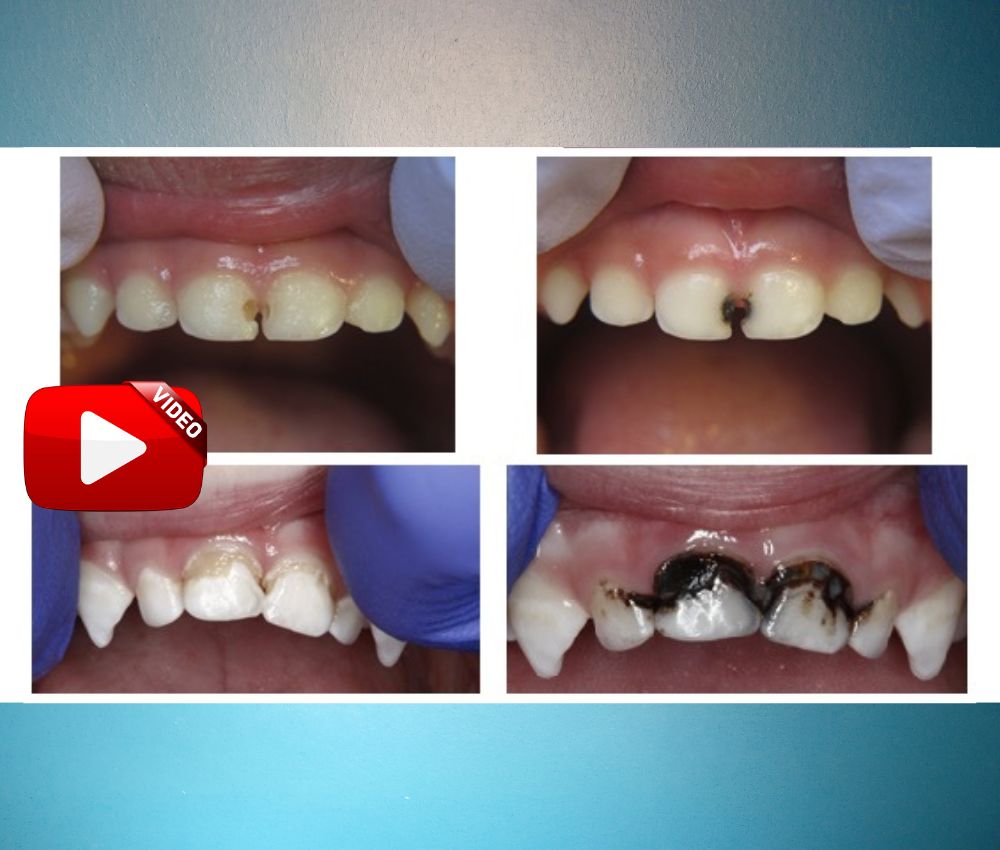
▪️ Silver diamine fluoride causes permanent black staining of carious dentin, which is a known and expected outcome.
▪️ FV requires multiple applications over time for optimal preventive effect.
▪️ SDF can arrest caries with fewer applications, even in high-risk patients.

📌 Recommended Article :
Dental Article 🔽 Fluoride Varnish in Pediatric Dentistry: Benefits, Indications, Mechanism, and Application Protocol ... Due to its ease of application, safety, and efficacy, it has become an essential part of caries management in clinical pediatric practice.
Clinical Use and Indications

Indications for Fluoride Varnish
▪️ Caries prevention in high-risk patients
▪️ Early enamel lesions (white spot lesions)
▪️ Patients with orthodontic appliances
▪️ Xerostomia or reduced salivary flow
▪️ Community and school-based preventive programs

Indications for Silver Diamine Fluoride
▪️ Arrest of cavitated carious lesions
▪️ Young children with limited cooperation
▪️ Patients with special health care needs
▪️ Elderly or medically compromised patients
▪️ Situations where conventional restorative care is delayed or contraindicated

📌 Recommended Article :
Dental Article 🔽 Fluoride in Pediatric Dentistry: Dosage, Frequency, and Current Controversies ... Key aspects include topical vs. systemic fluoride, caries-preventive effectiveness, and a special update on recent FDA considerations (2025) related to systemic fluoride supplements.
Limitations and Considerations

Fluoride Varnish
▪️ Limited effect on established dentinal caries
▪️ Requires repeated applications
▪️ Preventive rather than therapeutic in advanced lesions

Silver Diamine Fluoride
▪️ Unesthetic black staining of treated lesions
▪️ Metallic taste reported by some patients
▪️ Not intended for teeth requiring immediate esthetic restoration
▪️ Informed consent is essential due to visible discoloration

📌 Recommended Article :
Dental Article 🔽 How to Remove White Spots on Teeth: Evidence-Based Dental Techniques ... White spots on teeth are a frequent esthetic concern in dental practice. These lesions may affect both primary and permanent dentition and often represent alterations in enamel mineralization or structure.
💬 Discussion
Comparing fluoride varnish and silver diamine fluoride is clinically appropriate, provided their different therapeutic objectives are clearly defined. Fluoride varnish is a preventive agent, designed to strengthen enamel and reduce future caries risk. In contrast, SDF is a therapeutic agent, capable of arresting active dentinal caries. Rather than competing interventions, they represent complementary tools within a risk-based caries management approach.

✍️ Conclusion
Fluoride varnish and silver diamine fluoride play distinct yet complementary roles in modern caries management. Fluoride varnish is ideal for prevention and early intervention, while SDF is uniquely effective for arresting cavitated lesions, especially in vulnerable populations. Proper case selection, patient education, and informed consent are critical to maximize clinical success.

📌 Recommended Article :
Dental Article 🔽 Silver Diamine Fluoride in Pediatric Dentistry: A Review ... This review explores its mechanism of action, clinical indications, advantages, and limitations compared to other fluoride therapies used in pediatric dentistry.
🎯 Clinical Recommendations
▪️ Use fluoride varnish for routine preventive care and early lesions.
▪️ Reserve silver diamine fluoride for active cavitated caries when conventional treatment is not feasible.
▪️ Clearly explain esthetic outcomes when using SDF.
▪️ Integrate both agents into a minimally invasive, evidence-based caries management protocol.

📊 Comparative Table: Additional Caries Preventive Products

Preventive Product Primary Benefits Clinical Limitations
Pit and Fissure Sealants Physical barrier against plaque accumulation in occlusal surfaces Technique-sensitive; requires moisture control
Fluoridated Toothpaste Daily low-dose fluoride exposure for enamel remineralization Effectiveness depends on patient compliance
Fluoride Mouthrinses Adjunctive caries prevention in high-risk individuals Not recommended for very young children due to ingestion risk
CPP-ACP Products Enhances calcium and phosphate availability for remineralization Limited evidence compared to fluoride-based therapies
📚 References

✔ American Academy of Pediatric Dentistry. (2023). Policy on the use of silver diamine fluoride for pediatric dental patients. Pediatric Dentistry, 45(6), 66–70.
✔ Crystal, Y. O., & Niederman, R. (2019). Evidence-based dentistry update on silver diamine fluoride. Dental Clinics of North America, 63(1), 45–68.
✔ Gao, S. S., Zhao, I. S., Hiraishi, N., Duangthip, D., Mei, M. L., Lo, E. C. M., & Chu, C. H. (2016). Clinical trials of silver diamine fluoride in arresting caries. Journal of Dentistry, 48, 1–7.
✔ Marinho, V. C. C., Worthington, H. V., Walsh, T., & Clarkson, J. E. (2013). Fluoride varnishes for preventing dental caries. Cochrane Database of Systematic Reviews, (7), CD002279.
✔ Chu, C. H., Mei, L., Seneviratne, C. J., & Lo, E. C. M. (2012). Effects of silver diamine fluoride on dentine caries lesions. Journal of Dentistry, 40(11), 1024–1031.

📌 More Recommended Items

Xylitol and Dental Caries Prevention in Children: Mechanism, Benefits, and Clinical Use
What are the causes of white spots on teeth?
Fluoride varnish application in children

sábado, 31 de enero de 2026

Silver Diamine Fluoride in Pediatric Dentistry: Evidence-Based Clinical Protocols

Silver Diamine Fluoride

Silver diamine fluoride (SDF) has gained strong scientific support as a minimally invasive and cost-effective agent for managing dental caries in pediatric patients.

📌 Recommended Article :
Dental Article 🔽 Fluoride in Pediatric Dentistry: Dosage, Frequency, and Current Controversies ... Key aspects include topical vs. systemic fluoride, caries-preventive effectiveness, and a special update on recent FDA considerations (2025) related to systemic fluoride supplements.
Its use aligns with contemporary preventive dentistry and caries management philosophies, particularly in children with high caries risk, limited cooperation, or restricted access to conventional restorative care. This guide presents evidence-based protocols, clinical indications, and the mechanism of action of SDF, supported by current literature.

Advertisement

What Is Silver Diamine Fluoride?
Silver diamine fluoride is a topical cariostatic agent composed of silver, fluoride, and ammonia. The most widely studied and clinically used formulation is 38% SDF, which contains approximately 44,800 ppm fluoride.

SDF is primarily indicated for:
▪️ Arresting active dentinal caries
▪️ Managing caries in primary teeth
▪️ Treating children with special health care needs
▪️ Reducing the need for invasive procedures

📌 Recommended Article :
Dental Article 🔽 Silver Diamine Fluoride in Pediatric Dentistry: A Review ... This review explores its mechanism of action, clinical indications, advantages, and limitations compared to other fluoride therapies used in pediatric dentistry.
Mechanism of Action
The therapeutic effect of silver diamine fluoride is based on a dual antimicrobial and remineralizing mechanism:

▪️ Silver ions exert a potent antibacterial effect by disrupting bacterial cell walls, inhibiting enzymes, and interfering with DNA replication.
▪️ Fluoride ions promote remineralization by forming fluorapatite, increasing enamel and dentin resistance to acid attacks.
▪️ The alkaline environment created by ammonia enhances the stability of the solution and prolongs its antimicrobial activity.
▪️ SDF also inhibits collagen degradation within dentin, slowing lesion progression.
Together, these actions lead to caries arrest and lesion hardening, which is clinically observable.

📌 Recommended Article :
Dental Article 🔽 Fluoride Varnish for Preventing and Treating White Spot Lesions: Clinical Evidence and Best Practices ... This guide reviews indications, contraindications, dosing considerations, and clinical decision-making for antibiotics in pediatric patients, with updated evidence-based recommendations.
Evidence-Based Clinical Protocols
Current clinical guidelines support the following protocol for pediatric use:

1. Diagnosis of active cavitated caries
2. Isolation and drying of the tooth
3. Application of a small amount of 38% SDF using a microbrush
4. Allowing contact for at least one minute
5. Avoiding rinsing immediately after application
6. Reapplication every 6–12 months, depending on caries risk
The black staining of arrested lesions should be discussed with parents prior to treatment.

📌 Recommended Article :
Video 🔽 What are the causes of white spots on teeth? ... This introduction explores the main causes of white spot lesions, including dental caries in its initial stages, fluorosis, enamel hypoplasia, and orthodontic-related demineralization.
💬 Discussion
The growing body of evidence supports SDF as a safe and effective caries management tool in pediatric dentistry. Its ability to arrest caries without anesthesia or tooth preparation makes it particularly valuable in young or anxious children. However, esthetic concerns related to permanent dark staining remain a limitation. Ethical practice requires informed consent and proper case selection.

✍️ Conclusion
Silver diamine fluoride is a scientifically validated, minimally invasive option for arresting dental caries in children. When applied following evidence-based protocols, it significantly reduces disease progression and treatment burden. SDF should be considered an essential component of modern pediatric caries management.

📌 Recommended Article :
Video 🔽 How to Apply: Clinpro Sealant - Step by step ... Dental sealants are flowable resins that are placed in the pits and fissures of teeth (usually molars) to prevent cavities. The sealant is placed when the permanent molars erupt (approximately 6 years).
🎯 Clinical Recommendations
▪️ Use 38% SDF for caries arrest in primary teeth.
▪️ Obtain informed parental consent, especially regarding discoloration.
▪️ Reassess lesions periodically to confirm arrest.
▪️ Combine SDF with preventive education and fluoride exposure.
▪️ Integrate SDF within a comprehensive caries management plan.

📊 Comparative Table: Clinical Uses of Silver Diamine Fluoride in Pediatric Dentistry

Clinical Indication Primary Benefit Main Limitation
Active dentinal caries Effective caries arrest without drilling Permanent black staining
Uncooperative pediatric patients Non-invasive and quick application Limited esthetic acceptance
Children with special health care needs Reduces need for general anesthesia Does not restore tooth anatomy
High caries risk populations Cost-effective disease control Requires periodic reapplication
📚 References

✔ American Academy of Pediatric Dentistry. (2023). Use of silver diamine fluoride for dental caries management in children. The Reference Manual of Pediatric Dentistry, 410–416.
✔ Horst, J. A., Ellenikiotis, H., & Milgrom, P. M. (2016). UCSF protocol for caries arrest using silver diamine fluoride. Journal of the California Dental Association, 44(1), 16–28.
✔ Rosenblatt, A., Stamford, T. C., & Niederman, R. (2009). Silver diamine fluoride: A caries “silver-fluoride bullet”. Journal of Dental Research, 88(2), 116–125. https://doi.org/10.1177/0022034508329406
✔ Zhi, Q. H., Lo, E. C. M., & Lin, H. C. (2012). Randomized clinical trial on effectiveness of silver diamine fluoride and glass ionomer in arresting dentine caries. Journal of Dentistry, 40(11), 962–967. https://doi.org/10.1016/j.jdent.2012.08.002

📌 More Recommended Items

Webinar: Silver Diamine Fluoride – A Silver Renaissance in Dentistry - Dr. Anas Al Salami
Fluoride Varnish in Pediatric Dentistry: Benefits, Indications, Mechanism, and Application Protocol
Fluoride Varnish for Adults: Benefits, Mechanism of Action, and Application Guidelines

domingo, 26 de octubre de 2025

Silver Diamine Fluoride in Pediatric Dentistry: A Review

Silver Diamine Fluoride

Abstract
Silver Diamine Fluoride (SDF) has emerged as a non-invasive and cost-effective treatment for managing dental caries in children.

📌 Recommended Article :
Dental Article 🔽 Fluoride Varnish in Pediatric Dentistry: Benefits, Indications, Mechanism, and Application Protocol ... Fluoride varnish is a topical treatment used to prevent, slow down, or even reverse the early stages of dental caries in children. Due to its ease of application, safety, and efficacy, it has become an essential part of caries management in clinical pediatric practice.
This review explores its mechanism of action, clinical indications, advantages, and limitations compared to other fluoride therapies used in pediatric dentistry.

Advertisement

Introduction
Dental caries remains one of the most prevalent chronic diseases in children worldwide. Managing early lesions in young or uncooperative patients is often challenging. In recent years, Silver Diamine Fluoride (SDF) has gained significant attention for its ability to arrest carious lesions without the need for mechanical removal or anesthesia.
Approved by the U.S. Food and Drug Administration (FDA) in 2014 as a desensitizing agent, SDF is now widely used off-label for caries control, particularly in pediatric and special needs dentistry.

📌 Recommended Article :
Dental Article 🔽 Fluoride Varnish for Preventing and Treating White Spot Lesions: Clinical Evidence and Best Practices ... White spot lesions (WSLs) are the first visible signs of enamel demineralization, frequently seen in pediatric and orthodontic patients. These non-cavitated carious lesions are reversible in early stages through non-invasive methods.
Composition and Mechanism of Action
SDF is a colorless liquid containing approximately 38% silver (Ag), ammonia, and fluoride ions (F⁻). The silver component acts as an antimicrobial agent, while the fluoride promotes remineralization of demineralized enamel and dentin.
The mechanism of action involves:

▪️ Inhibition of bacterial growth by disrupting cell walls and enzyme systems.
▪️ Formation of silver phosphate and calcium fluoride, which enhance enamel resistance.
▪️ Blocking dentinal tubules, reducing sensitivity and preventing further bacterial invasion.

SDF not only arrests active lesions but also prevents secondary caries formation.

📌 Recommended Article :
Webinar 🔽 Webinar: Silver Diamine Fluoride – A Silver Renaissance in Dentistry - Dr. Anas Al Salami ... Its ability to arrest decay without drilling provides a minimally invasive alternative that supports both restorative goals and behavioral management.
Clinical Applications
SDF is indicated for:

▪️ Arresting active carious lesions in primary teeth.
▪️ Patients with behavioral or medical limitations who cannot tolerate conventional treatment.
▪️ Early childhood caries (ECC) management.
▪️ Geriatric patients or those with high caries risk.

The standard application uses 38% SDF solution, typically applied with a microbrush for 1–3 minutes and repeated every 6–12 months.

📌 Recommended Article :
Dental Article 🔽 Silver Diamine Fluoride in Pediatric Dentistry: Clinical Guide 2025 ... Its topical application allows the arrest of carious lesions without the need for invasive procedures, making it especially useful in children with high caries risk, behavioral challenges, or limited access to dental care.
Advantages

▪️ Non-invasive and painless: Ideal for anxious or very young children.
▪️ Arrests caries effectively with minimal discomfort.
▪️ Cost-effective and requires minimal equipment.
▪️ Antibacterial and remineralizing effects act synergistically.
▪️ Can be combined with glass ionomer cements (SMART technique) for aesthetic coverage.

📌 Recommended Article :
Video 🔽 How to Apply: Clinpro Sealant - Step by step ... Dental sealants are flowable resins that are placed in the pits and fissures of teeth (usually molars) to prevent cavities. The sealant is placed when the permanent molars erupt (approximately 6 years).
Limitations and Disadvantages

▪️ Black staining of arrested lesions due to silver oxidation is the most reported drawback.
▪️ Unpleasant metallic taste and potential temporary gingival irritation.
▪️ Limited esthetic acceptance in anterior teeth.
▪️ Not effective for deep carious lesions requiring pulp therapy.
▪️ Requires parental consent and clear communication about expected discoloration.

📊 Comparative Table: Silver Diamine Fluoride vs. Topical Fluoride Varnishes in Pediatric Dentistry

Aspect Advantages Limitations
Silver Diamine Fluoride (SDF) Arrests active caries, antibacterial, non-invasive, affordable Causes black staining, metallic taste, limited aesthetic use
Topical Fluoride Varnish Enhances remineralization, prevents early lesions, aesthetically acceptable Requires repeated applications, does not arrest existing cavitated lesions
Fluoride Gel or Foam Quick application, broad preventive use Less effective for deep lesions, risk of ingestion in young children
💬 Discussion
Several clinical trials confirm that SDF arrests more than 80% of active caries lesions in primary teeth after a single application (Chu et al., 2002; Fung et al., 2018). When combined with proper oral hygiene and fluoride toothpaste use, SDF can significantly reduce the progression of dental caries in children.
However, aesthetic concerns limit its use in visible areas. For this reason, topical fluorides or varnishes remain preferred for preventive purposes, while SDF is prioritized for caries arrest in posterior teeth or non-aesthetic zones.

✍️ Conclusion
Silver Diamine Fluoride is a revolutionary agent in pediatric dentistry, offering a simple, effective, and affordable solution for managing caries without invasive procedures. Although tooth staining remains a major limitation, its clinical efficacy and safety make it an essential tool, especially in community or preventive dental programs.

📌 Recommended Article :
PDF 🔽 Fluoride Varnish in the Prevention of Dental Caries in Children and Adolescents: A Systematic Review ...The application of fluoride varnish is an effective method against tooth decay that can appear in the primary or permanent dentition. It is also effective in treatments against tooth sensitivity.
🔎 Recommendations
▪️ Use SDF as part of comprehensive caries management in children.
▪️ Combine with fluoride varnish for preventive reinforcement.
▪️ Educate parents about aesthetic outcomes and obtain informed consent.
▪️ Conduct regular follow-ups to monitor lesion arrest.

📚 References

✔ Chu, C. H., Lo, E. C. M., & Lin, H. C. (2002). Effectiveness of silver diamine fluoride and sodium fluoride varnish in arresting dentin caries in Chinese pre-school children. Journal of Dental Research, 81(11), 767–770. https://doi.org/10.1177/154405910208101108
✔ Fung, M. H. T., Duangthip, D., Wong, M. C. M., Lo, E. C. M., & Chu, C. H. (2018). Arresting dentine caries with different concentration and periodicity of silver diamine fluoride. Journal of Dentistry, 77, 52–58. https://doi.org/10.1016/j.jdent.2018.07.006
✔ Horst, J. A., Ellenikiotis, H., & Milgrom, P. L. (2016). UCSF protocol for caries arrest using silver diamine fluoride: Rationale, indications, and consent. Journal of the California Dental Association, 44(1), 16–28.
✔ Mei, M. L., Ito, L., Cao, Y., Lo, E. C. M., & Chu, C. H. (2013). Inhibitory effect of silver diamine fluoride on dentine demineralisation and collagen degradation. Journal of Dentistry, 41(9), 809–817. https://doi.org/10.1016/j.jdent.2013.06.009

📌 More Recommended Items

Fluoride varnish application in children
Use of Silver Diamine Fluoride (SDF) - General Guide on its application
Fluoride Varnish for Adults: Benefits, Mechanism of Action, and Application Guidelines

domingo, 7 de septiembre de 2025

Webinar: Silver Diamine Fluoride – A Silver Renaissance in Dentistry - Dr. Anas Al Salami

Silver Diamine Fluoride

Silver Diamine Fluoride (SDF) has emerged as a transformative option in pediatric dentistry, marking a true renaissance in caries management.

📌 Recommended Article :
Video 🔽 Use of Silver Diamine Fluoride (SDF) - General Guide on its application ... We share a complete guide on the benefits, advantages, and procedure for the application of Silver Diamino fluoride (SDF) in the treatment of cavities and dental sensitivity.
Its ability to arrest decay without drilling provides a minimally invasive alternative that supports both restorative goals and behavioral management.

Advertisement

By reducing treatment time, eliminating the need for local anesthesia in many cases, and preserving natural tooth structure, SDF improves cooperation and comfort for young or anxious patients.

📌 Recommended Article :
PDF🔽 Fluoride Varnish in the Prevention of Dental Caries in Children and Adolescents: A Systematic Review ... We share an article that reviews the literature and develops a protocol for the use of fluoride varnish as a caries preventive agent in children and adolescents.
Beyond its antimicrobial and remineralizing effects, the integration of SDF into evidence-based treatment planning reflects a broader shift toward patient-centered, conservative dentistry that balances effectiveness with empathy in pediatric care.

📌 Watch webinar: "Webinar: Silver Diamine Fluoride – A Silver Renaissance in Dentistry - Dr. Anas Al Salami"


Youtube/ MBRU

📌 More Recommended Article

Fluoride Varnish for Preventing and Treating White Spot Lesions: Clinical Evidence and Best Practices
Fluoride Varnish in Pediatric Dentistry: Benefits, Indications, Mechanism, and Application Protocol
Silver Diamine Fluoride in Pediatric Dentistry: Clinical Guide 2025

martes, 6 de mayo de 2025

Silver Diamine Fluoride in Pediatric Dentistry: Clinical Guide 2025

Fluoruro Diamino de Plata

Silver Diamine Fluoride (SDF) at 38% concentration has become an effective, safe, and minimally invasive alternative for the prevention and treatment of dental caries in pediatric patients.

📌 Recommended Article :
PDF 🔽 Fluoride Varnish in the Prevention of Dental Caries in Children and Adolescents: A Systematic Review ... Fluoride varnish is easy to apply, offers greater absorption of minerals on the teeth, and is very safe, unlike other topical fluoride treatments (gels and rinses)
Its topical application allows the arrest of carious lesions without the need for invasive procedures, making it especially useful in children with high caries risk, behavioral challenges, or limited access to dental care.

Advertisement

1. Scientific Basis
SDF combines the antibacterial properties of silver with the remineralizing effect of fluoride. Its mechanism of action includes:

° Bacterial inhibition: Silver ions denature bacterial proteins and enzymes, inhibiting their proliferation.
° Remineralization: Fluoride promotes the formation of fluorohydroxyapatite, strengthening enamel.
° Tubule occlusion: Helps reduce sensitivity and prevent further caries progression.

Recent studies have demonstrated the effectiveness of SDF in arresting active caries, with success rates exceeding 80% in primary dentition.

📌 Recommended Article :
Video 🔽 How to Apply: Clinpro Sealant - Step by step ... To avoid tooth decay, preventive measures are taken, both at home (brush, toothpaste, floss and rinse) and in the dental office (application of fluoride, fluoride varnish, dental sealants)
2. Indications

° Active carious lesions in primary and young permanent teeth
° Children with high caries risk (e.g., severe early childhood caries)
° Patients with behavioral or medical challenges
Situations where conventional restorative treatment is not feasible

3. Contraindications

° Known allergy to silver, ammonium, or fluoride
° Oral ulcerative lesions, stomatitis, or mucositis
° Carious lesions with pulpal involvement or symptoms of irreversible pulpitis

📌 Recommended Article :
Video 🔽 Fluoride varnish application in children ... Fluoride varnish treatments can best help prevent decay when a child is also brushing using the right amount of toothpaste with fluoride, flossing regularly, getting regular dental care, and eating a healthy diet
4. Application Protocol

➤ Required materials:
° 38% SDF solution
° Disposable microbrushes
° Sterile gauze
° Gloves and eye protection

➤ Procedure:
1. Clinical assessment: Identify active carious lesions visually and radiographically if needed.
2. Isolation: Dry the affected area with gauze (rubber dam is not necessary).
3. Application: Use a microbrush to apply a small amount of SDF directly to the lesion for 1–3 minutes.
4. Drying: Allow the area to air dry; avoid rinsing immediately.
5. Follow-up: Reassess in 2–4 weeks to determine lesion arrest.

➤ Frequency:
° In high-risk patients or those with poor oral hygiene, reapplication is recommended every 6 months.
° In low-risk patients, annual application may be sufficient.

5. Side Effects and Aesthetic Considerations

The main side effect is permanent black staining of the treated lesion, indicating caries arrest. While safe, this discoloration can be esthetically undesirable, especially on anterior teeth. To mitigate this, potassium iodide may be applied immediately after SDF to reduce staining intensity.

📌 Recommended Article :
Video 🔽 What are the causes of white spots on teeth? ... The white spots have the appearance of intense white clouds on the enamel surface, which affects aesthetics and in some cases shows poor oral hygiene
6. Parental Acceptance

Parental acceptance of SDF depends on lesion location, the child’s behavior, and prior information provided. It is crucial to explain the benefits and possible esthetic outcomes to obtain informed consent.

7. Conclusions

38% SDF is a valuable tool in modern pediatric dentistry, offering an effective and non-invasive option for treating dental caries in children. Its simple, safe, and well-tolerated application is especially beneficial for vulnerable populations or those with limited access to care. Standardized protocols and proper parental education are essential to maximize its benefits.

📚 References

✔ Juarez Lopez, M. L. A., Marin Miranda, M., & Murrieta Pruneda, F. (2021). Silver Diamine Fluoride as a minimally invasive alternative in pediatric dental care: Narrative review. Revista de Odontopediatría Latinoamericana, 11(Suppl). https://doi.org/10.47990/alop.v11iSuplemento.482
✔ Sotillo, V., Limongi, I., Medina, A. C., & Martínez Vásquez, M. G. (2023). Silver Diamine Fluoride as therapy to inactivate cavitated caries lesions in primary teeth. Revista Científica CMDLT, 16. https://doi.org/10.55361/cmdlt.v16i1.71
✔ Pariona-Minaya, M. C. (2024). Use of Silver Diamine Fluoride for treating active carious lesions. Odontología Activa Revista Científica, 5(3). https://doi.org/10.31984/oactiva.v5i3.499
✔ Sabbagh, H., Othman, M., & Yaseen Abdulgader, A. A. (2020). Parental Acceptance of Silver Diamine Fluoride Application on Primary Dentition: a Systematic Review and Meta-analysis. BMC Oral Health, 20(227):1-12. https://www.siicsalud.com/dato/resiic.php/165298
✔ Chimbo Sánchez, K. D. (2024). Uses of Silver Diamine Fluoride and its application in pediatric dentistry. Systematic review. Repositorio Digital Uniandes. https://dspace.uniandes.edu.ec/handle/123456789/17914

📌 More Recommended Items

Use of Silver Diamine Fluoride (SDF) - General Guide on its application
Oral health problems in children with down syndrome
ORAL HYGIENE : How to care for your baby's gums

lunes, 3 de abril de 2023

Use of Silver Diamine Fluoride (SDF) - General Guide on its application

Silver Diamine Fluoride

Silver diamine fluoride (SDF) is a topical medicine that is used to stop the advance of caries and in cases of dentin hypersensitivity. It can be used in both primary and permanent dentition.

📌 Recommended Article:
Article PDF 🔽 Fluoride Varnish in the Prevention of Dental Caries in Children and Adolescents: A Systematic Review ... Fluoride varnish is easy to apply, offers greater absorption of minerals on the teeth, and is very safe, unlike other topical fluoride treatments (gels and rinses).

It offers several advantages such as its easy application, low cost, it avoids the use of dental anesthetics, and it can be applied in places that do not have dental equipment.

Advertisement

We share a complete guide on the benefits, advantages, and procedure for the application of Silver Diamino fluoride (SDF) in the treatment of cavities and dental sensitivity.

📌 More recommended items

How to Apply: Clinpro Sealant - Step by step
What are the causes of white spots on teeth?
Fluoride varnish application in children

📌 Watch the video "The General Dentists Guide to Using Silver Diamine Fluoride"


Youtube/ Elevate Oral Care

jueves, 7 de mayo de 2020

Application of Silver Diamine Fluoride (SDF)

Silver Diamine Fluoride

Tooth decay is a global public health problem, and that includes children. Silver Diamine Fluoride (SDF) is an excellent material to prevent cavities from forming, growing and / or continuing to progress.

The benefits of using the Silver Diamine Fluoride (SDF) are: it kills the cavity-causing bacteria, stops the development of caries, very useful for anxious children since caries can be eliminated without using the discharge piece, etc.

Advertisement

SDF is a safe material to use in children and adults, but it must be avoided that it has contact with the skin and tissues because it forms a black stain that disappears over the days.

Emergency


You may also like :
What is the importance of the Space Maintainer?
Why is it recommended to extract a tooth to children?
COVID 19: Children with asthma are at risk?


Source: Youtube/ American Dental Association (ADA)