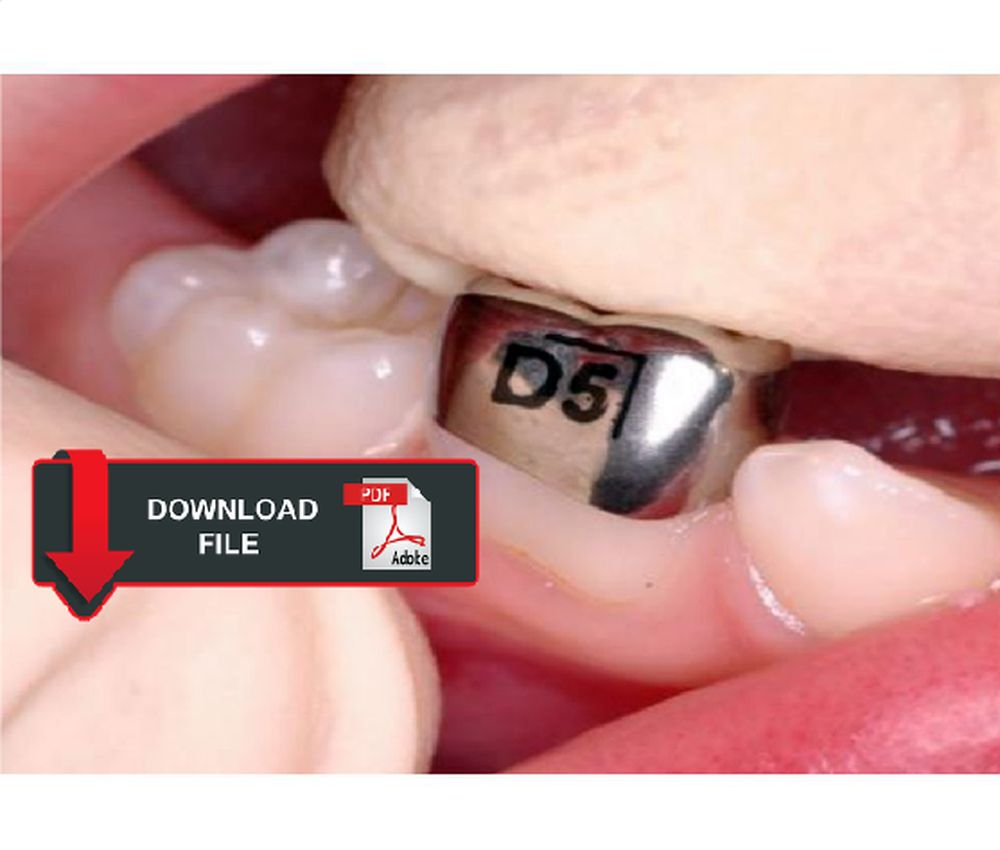
Deep caries management in primary teeth remains a clinical challenge, requiring a balance between biological preservation and long-term success.
📌 Recommended Article :
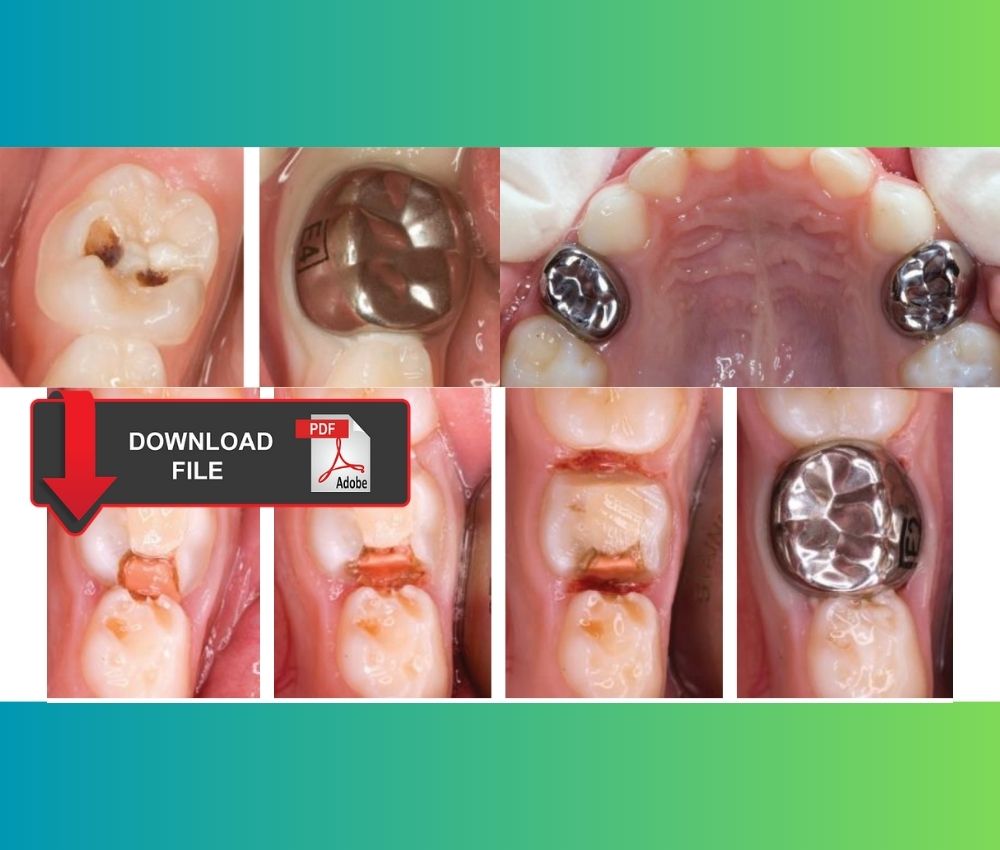
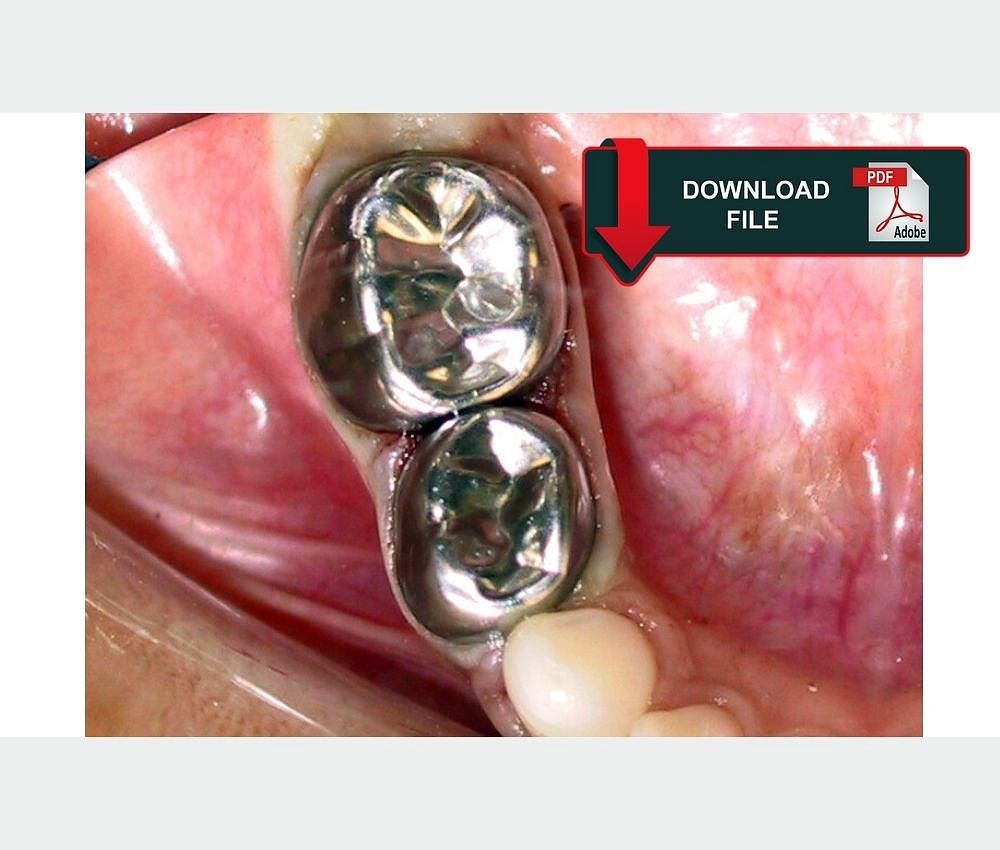
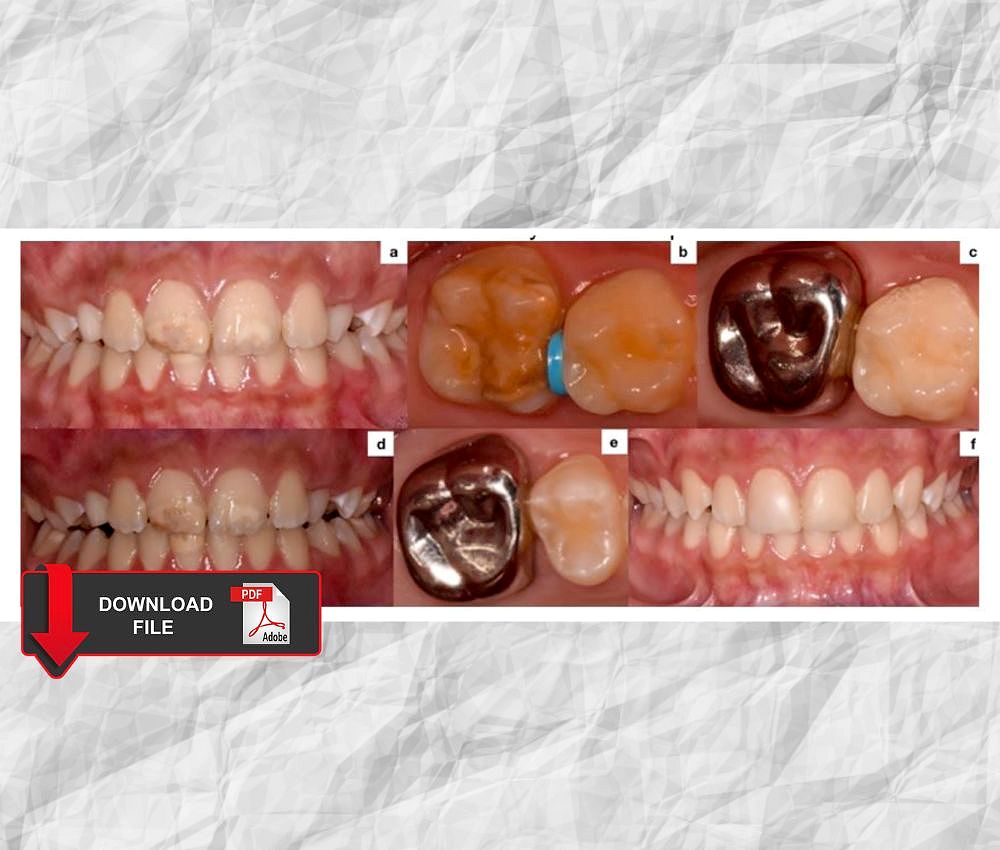
PDF 🔽 Hall technique: Complete information for the treatment of carious primary molars ... The objective of the article is to provide adequate information on the Hall technique, indications, contraindications, disadvantages, and the cost-effectiveness of this procedure.The Hall Technique and pulpotomy represent two evidence-based approaches with distinct philosophies. This review analyzes indications, clinical outcomes, advantages, and limitations, providing a decision-making framework for clinicians.
Advertisement
✅ Introduction
The management of deep carious lesions in primary teeth has evolved toward minimally invasive dentistry. Traditional approaches such as pulpotomy aim to remove infected pulp tissue, whereas the Hall Technique seals caries without removal.
Understanding the biological basis, patient factors, and clinical indications is essential for optimal outcomes in pediatric patients.
📌 Recommended Article :
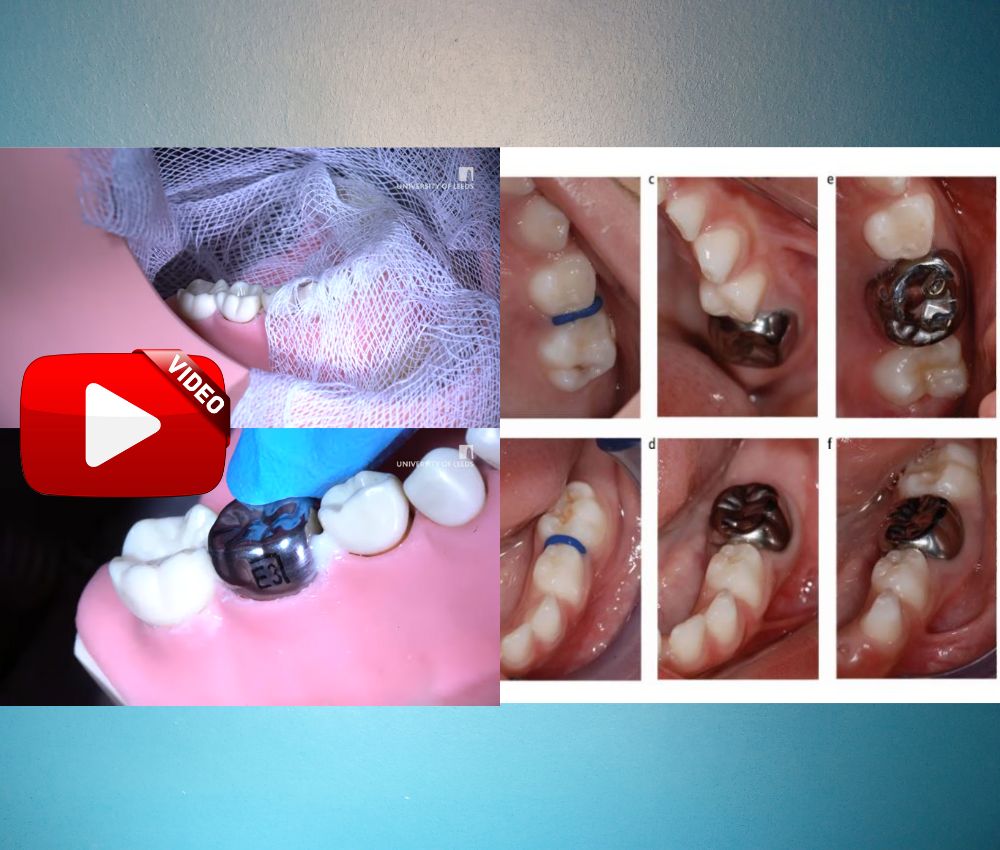
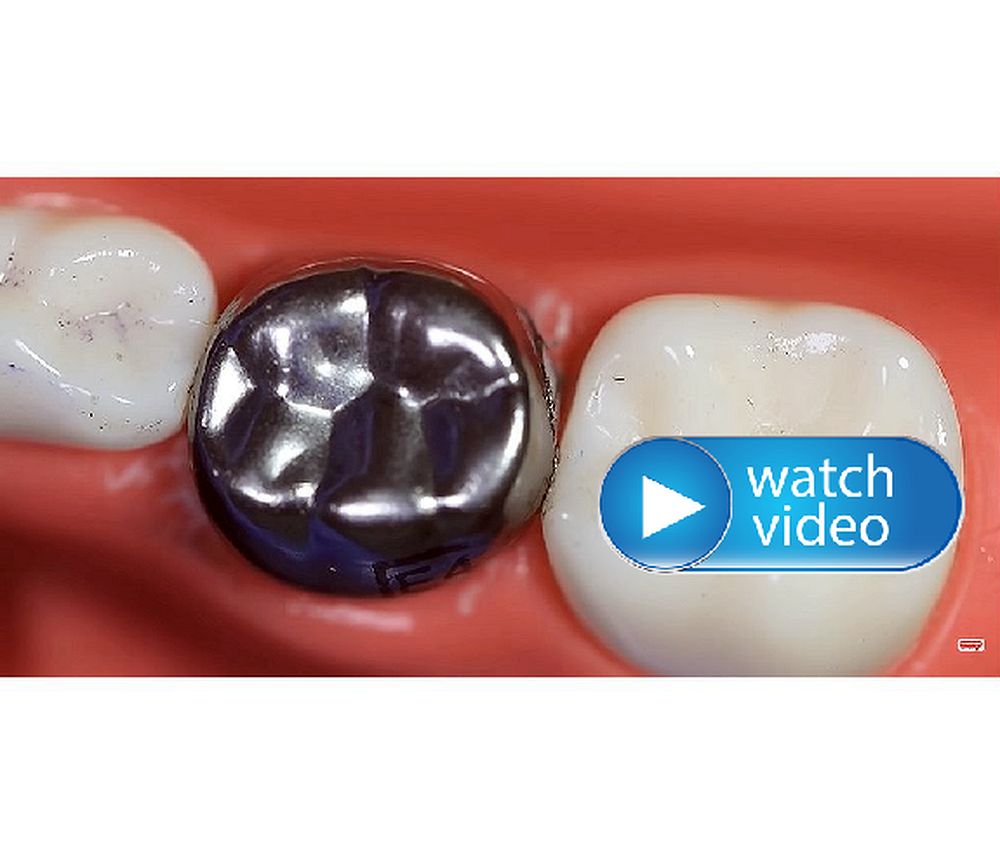
Video 🔽 Video: Pulpotomy of Deciduous Molar - Step by step ... With a focus on evidence-based practice, this guide reinforces the importance of conservative pulp therapy for maintaining primary teeth until natural exfoliation, promoting both function and oral health in young patients.✅ Clinical Approaches for Deep Caries Management
Hall Technique
The Hall Technique involves placement of a preformed metal crown (PMC) over a carious primary molar without caries removal, tooth preparation, or local anesthesia.
▪️ Mechanism: Seals cariogenic biofilm, depriving bacteria of nutrients
▪️ Indications:
₀ Asymptomatic teeth
₀ No signs of irreversible pulpitis or abscess
₀ Cooperative or anxious pediatric patients
▪️ Contraindications:
Pulpal pathology (pain, fistula, radiolucency)
Pulpotomy
Pulpotomy is a vital pulp therapy procedure involving removal of the coronal pulp, preserving radicular pulp vitality.
▪️ Mechanism: Elimination of infected pulp tissue and placement of medicament (e.g., MTA, Biodentine)
▪️ Indications:
₀ Deep caries with reversible pulpitis
₀ No radicular pathology
▪️ Contraindications:
₀ Necrosis or irreversible pulpitis
📌 Recommended Article :
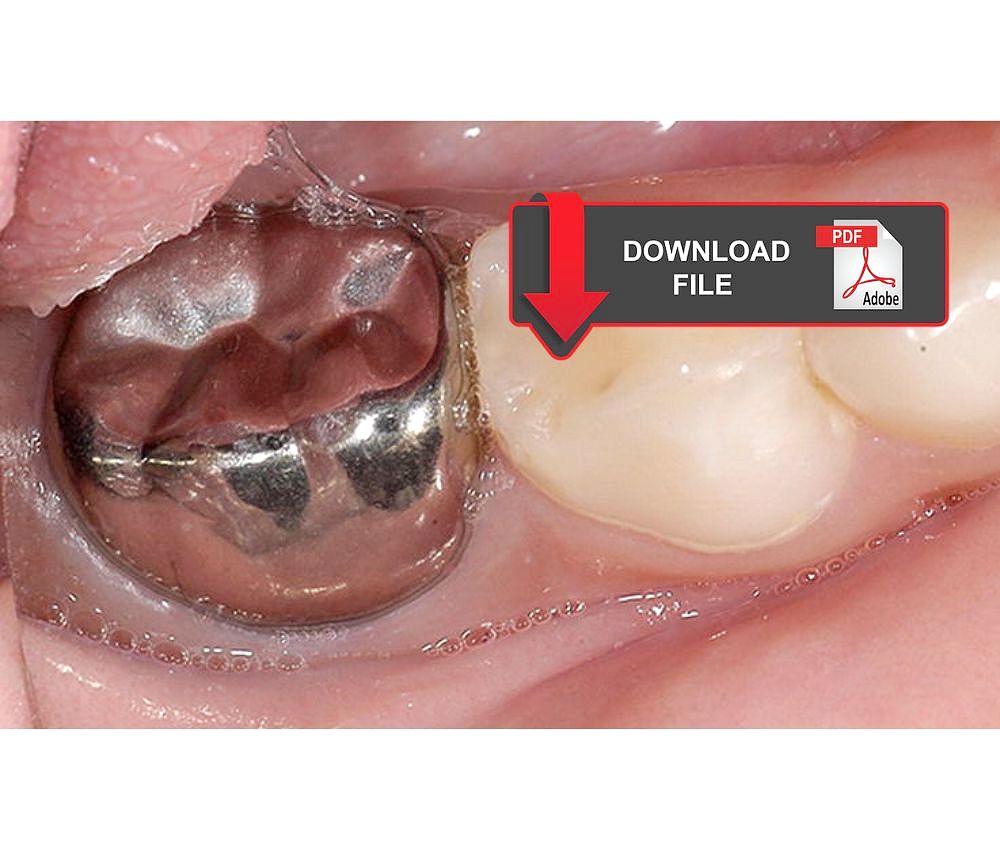
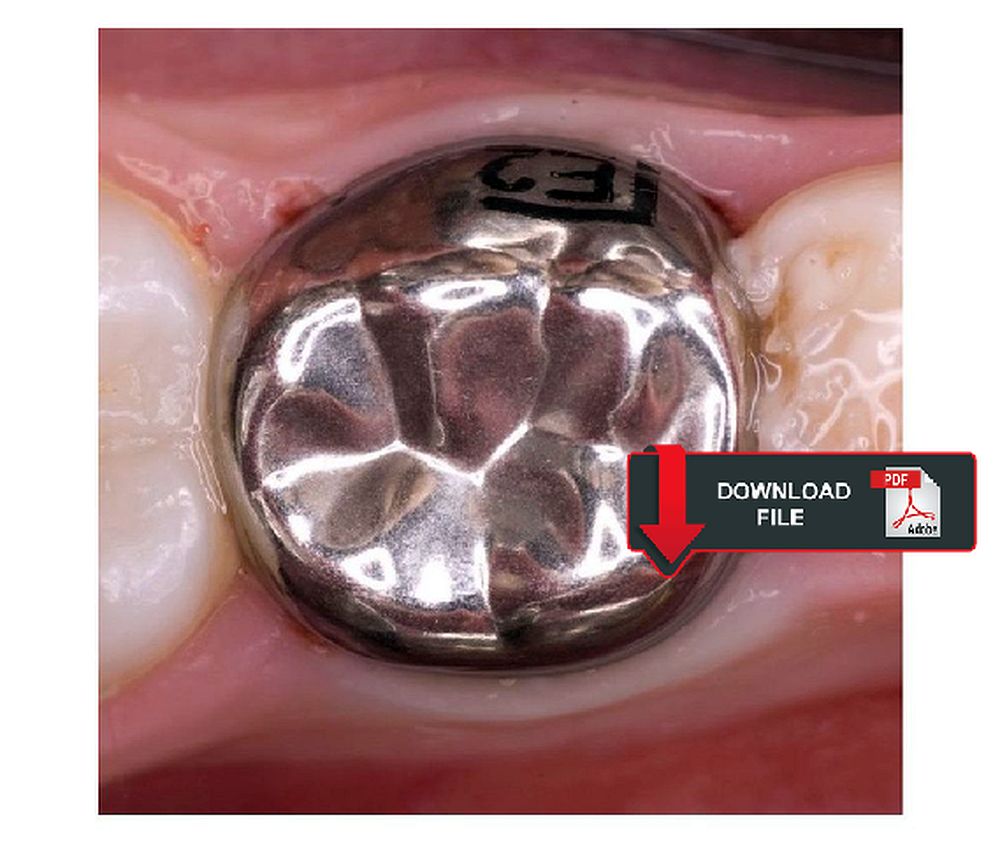
PDF 🔽 Stainless Steel Crowns: Adaptation and installation - Step by step ... Steel crowns are the most used for their easy adaptation, installation and low cost. Currently, the Hall technique is used, which simplifies the procedure for installing metal crowns.✅ Comparative Clinical Outcomes
▪️ Success rates: Both techniques demonstrate high success rates (>85–90%) in properly selected cases
▪️ Longevity: Hall Technique shows comparable or superior survival due to reduced technique sensitivity
▪️ Patient acceptance: Higher in Hall Technique due to non-invasive nature
▪️ Operator dependency: Higher in pulpotomy, requiring strict asepsis and technique
📌 Recommended Article :
Dental Article 🔽 Pulpotomy vs. Pulpectomy in Primary Teeth: A Contemporary Clinical Guide ... Understanding the clinical indications, long-term outcomes, advantages, and limitations of each technique is essential for optimizing patient care and maintaining primary teeth until exfoliation.💬 Discussion
The key difference lies in treatment philosophy:
▪️ Hall Technique supports a non-invasive, biofilm control approach
▪️ Pulpotomy follows a surgical intervention model
Recent evidence suggests that sealing caries is as effective as removing it, provided the pulp remains vital. However, accurate diagnosis is critical, as misjudging pulpal status may lead to failure.
Additionally, material selection in pulpotomy (e.g., MTA vs formocresol) significantly influences outcomes, with modern biomaterials showing superior biocompatibility.
📌 Recommended Article :
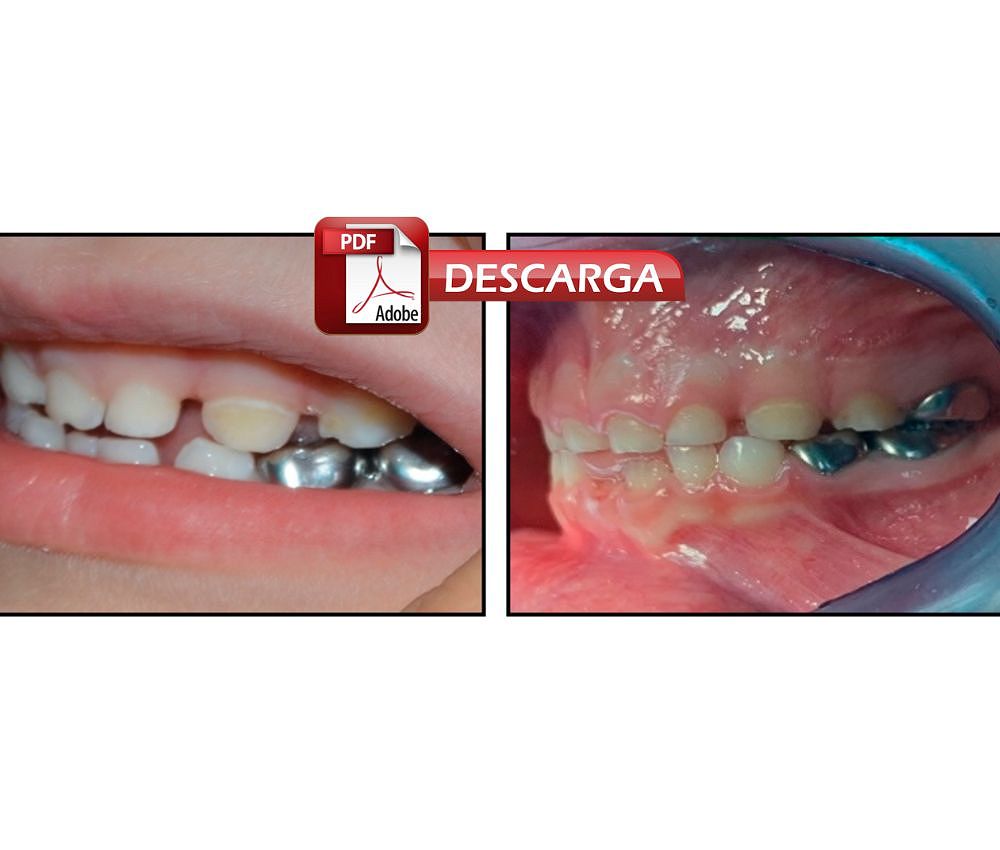
PDF 🔽 The Hall Technique: Manual for the management of primary molar caries ... The Hall technique is used on primary molars affected by caries, using preformed steel crowns. The effectiveness of this technique is proven, but a careful evaluation by the pediatric dentist is required.✅ Clinical Decision-Making Framework
Clinicians should consider:
▪️ Pulp status (vital vs inflamed)
▪️ Child behavior and cooperation
▪️ Extent of caries and tooth restorability
▪️ Availability of materials and expertise
The Hall Technique is preferred for asymptomatic cases, while pulpotomy is indicated when pulpal inflammation is evident but reversible.
📌 Recommended Article :
Dental Article 🔽 Partial Pulpotomy in Pediatric Dentistry: Technique, Benefits, and Key Differences ... Partial pulpotomy offers a biologically favorable approach in cases of limited pulp inflammation, especially in traumatic pulp exposures or shallow carious lesions, promoting healing and long-term tooth survival.✍️ Conclusion
Both Hall Technique and pulpotomy are effective for managing deep caries in primary teeth, but their success depends on case selection and diagnosis. Minimally invasive strategies are increasingly favored, positioning the Hall Technique as a first-line option in suitable cases.
🎯 Recommendations
▪️ Use the Hall Technique in asymptomatic deep caries to preserve pulp vitality
▪️ Reserve pulpotomy for cases with confirmed reversible pulp involvement
▪️ Adopt bioactive materials (MTA, Biodentine) in pulpotomy procedures
▪️ Prioritize accurate diagnosis using clinical and radiographic criteria
▪️ Incorporate minimally invasive dentistry principles into pediatric care
📊 Summary Table: Hall Technique vs Pulpotomy in Deep Caries
| Clinical Criteria | Hall Technique | Pulpotomy |
|---|---|---|
| Invasiveness | Non-invasive, no caries removal | Invasive, requires pulp removal |
| Pulp Status Requirement | Vital, asymptomatic pulp | Reversible pulpitis |
| Anesthesia | Usually not required | Required |
| Technique Sensitivity | Low | High |
| Patient Acceptance | High | Moderate |
| Longevity | High survival rates | High with proper technique |
| Main Limitation | Not suitable for symptomatic teeth | Risk of failure if diagnosis is incorrect |
📚 References
✔ Innes, N. P. T., Evans, D. J. P., & Stirrups, D. R. (2007). The Hall Technique: A randomized controlled clinical trial of a novel method of managing carious primary molars in general dental practice. British Dental Journal, 203(11), 1–9. https://doi.org/10.1038/bdj.2007.1110
✔ Innes, N. P. T., Ricketts, D., & Evans, D. J. (2011). Preformed metal crowns for decayed primary molar teeth. Cochrane Database of Systematic Reviews, (12), CD005512. https://doi.org/10.1002/14651858.CD005512.pub3
✔ American Academy of Pediatric Dentistry. (2023). Guideline on pulp therapy for primary and immature permanent teeth. Pediatric Dentistry, 45(6), 384–392.
✔ Holan, G., & Fuks, A. B. (2013). A comparison of pulpotomy using formocresol and ferric sulfate in primary molars: Long-term results. Pediatric Dentistry, 35(2), 129–134.
✔ Cushley, S., Duncan, H. F., Lappin, M. J., Chua, P., Clarke, M., & Elamin, F. (2020). Efficacy of vital pulp therapy in primary teeth: Systematic review and meta-analysis. International Endodontic Journal, 53(10), 1401–1425. https://doi.org/10.1111/iej.13375
📌 More Recommended Items
► Stainless steel crowns: Minimally invasive technique - Benefits and advantages
► Mineral Trioxide Aggregate (MTA) in Pediatric Dentistry: Uses, Benefits, and Clinical Evidence
► What is the best pulp dressing for pulpotomies in primary teeth? - Review