Mostrando entradas con la etiqueta Third Molar. Mostrar todas las entradas

miércoles, 11 de febrero de 2026

Things You Should Know Before and After Third Molar Extraction

Third Molar Extraction

Third molar extraction, commonly known as wisdom tooth removal, is a frequent oral surgical procedure. Although often routine, it involves biological processes that patients should understand to reduce complications and improve healing.

📌 Recommended Article :
Dental Article 🔽 How to Prevent Dry Socket After Tooth Extraction: Signs, Prevention, and Treatment Guide ... Preventing dry socket is a key responsibility shared by both dental professionals and patients, involving proper surgical technique, patient education, and targeted pharmacological management.
Knowing what to expect before and after the extraction allows better decision-making and safer recovery.

Advertisement

Why Third Molars Often Need Extraction
Third molars usually erupt between 17 and 25 years of age. Due to limited jaw space, they may remain impacted, partially erupted, or misaligned, increasing the risk of:

▪️ Pericoronitis (infection of surrounding gum tissue)
▪️ Dental caries in adjacent teeth
▪️ Periodontal disease
▪️ Cyst or tumor formation
▪️ Chronic pain or jaw discomfort
Early evaluation helps prevent these complications.

📌 Recommended Article :
Dental Article 🔽 Wisdom Tooth Infection (Pericoronitis): Causes, Symptoms, and Evidence-Based Treatment ... The most frequent cause of infection is partial eruption of the third molar, which creates a gingival flap (operculum) that traps plaque and debris.
Key Factors to Consider Before the Procedure

1. Position and Impaction Level
Wisdom teeth may be fully erupted, partially erupted, or completely impacted in bone. Deeper impaction increases surgical complexity, healing time, and postoperative discomfort.

2. Age of the Patient
Younger patients usually experience faster healing and fewer complications, as bone is less dense and roots are not fully developed.

3. Radiographic Evaluation
Panoramic radiographs or CBCT scans help assess root anatomy, nerve proximity, and surgical risk, especially in lower third molars near the inferior alveolar nerve.

4. Systemic Health
Conditions such as diabetes, smoking habits, or immune disorders can delay healing and increase infection risk, requiring tailored surgical planning.

📌 Recommended Article :
Dental Article 🔽 Bleeding After a Tooth Extraction: How to Stop It Safely ... Bleeding after a dental extraction is common and usually normal, especially during the first hours. However, knowing what is normal, how to control bleeding, and when to seek help is essential for proper healing.
What to Expect After Third Molar Extraction
Postoperative symptoms are usually temporary and part of normal healing:

▪️ Swelling (peaks at 48–72 hours)
▪️ Mild to moderate pain
▪️ Limited mouth opening (trismus)
▪️ Minor bleeding during first 24 hours
Proper postoperative care significantly reduces discomfort and complications.

📊 Comparative Table: Postoperative Care After Third Molar Extraction

Care Measure Purpose Important Notes
Cold compress (first 24–48 h) Reduces swelling and inflammation Apply intermittently, not directly on skin
Soft diet Prevents trauma to surgical site Avoid hard, hot, or spicy foods
Oral hygiene with caution Prevents infection Do not rinse forcefully during first 24 h
Avoid smoking Protects blood clot formation Smoking increases dry socket risk
Prescribed medication Controls pain and inflammation Follow dosage exactly as indicated
Common Complications and How to Prevent Them

Dry Socket (Alveolar Osteitis)
Occurs when the blood clot is lost prematurely.
▪️ More common in smokers and difficult extractions
▪️ Prevented by avoiding suction, smoking, and aggressive rinsing

Infection
Signs include increasing pain, swelling, or fever.
▪️ Proper hygiene and medication adherence are essential

📌 Recommended Article :
PDF 🔽 Manual of extraction techniques in pediatric dentistry - Step by step ... Tooth extraction is a routine treatment in the pediatric dentist's office. This procedure is performed when the tooth presents a deep caries and impossible reconstruction, fracture due to trauma, eruptive problems.
💬 Discussion
Third molar extraction is safe when proper diagnosis, surgical technique, and patient cooperation are present. Most complications arise from poor postoperative care or delayed intervention. Clear patient education significantly improves outcomes and satisfaction.

🎯 Recommendations
▪️ Follow all postoperative instructions strictly
▪️ Maintain gentle oral hygiene
▪️ Attend follow-up appointments
▪️ Seek professional care if pain worsens after day 3

✍️ Conclusion
Third molar extraction is a predictable and effective procedure when managed correctly. Understanding the process and applying appropriate postoperative care minimizes complications and ensures safe, comfortable healing.

📚 References

✔ Bui, C. H., Seldin, E. B., & Dodson, T. B. (2003). Types, frequencies, and risk factors for complications after third molar extraction. Journal of Oral and Maxillofacial Surgery, 61(12), 1379–1389. https://doi.org/10.1016/j.joms.2003.04.001
✔ Renton, T., & Yilmaz, Z. (2012). Profiling of patients presenting with post-surgical neuropathy of the trigeminal nerve. Journal of Oral and Maxillofacial Surgery, 70(11), 2611–2620. https://doi.org/10.1016/j.joms.2012.06.195
✔ American Association of Oral and Maxillofacial Surgeons. (2016). Management of third molar teeth. Journal of Oral and Maxillofacial Surgery, 74(12), 2222–2232. https://doi.org/10.1016/j.joms.2016.08.004

📌 More Recommended Items

Surgical Techniques for Third Molar Extraction: Definitions, Indications, and Clinical Advantages
Dental Abscess, Fistula, Cellulitis, and Ludwig's Angina: Differences, Symptoms & Treatment
Risk Factors, Signs & Modern Management of Tongue Cancer: 2025 Review

lunes, 2 de febrero de 2026

Surgical Techniques for Third Molar Extraction: Definitions, Indications, and Clinical Advantages

Third Molar Extraction

The extraction of third molars is one of the most frequently performed oral surgical procedures worldwide. Due to their variable position, eruption pattern, and anatomical relationship with vital structures, third molars often require specific surgical techniques rather than simple exodontia.

📌 Recommended Article :
Video 🔽 How to prevent infections after third molar extraction? ... This video explains the key steps patients should follow — from maintaining gentle oral hygiene, using antiseptic rinses, and avoiding smoking or suction movements, to recognizing early signs of infection or dry socket.
A comprehensive understanding of these techniques allows clinicians to reduce complications, improve healing, and optimize patient outcomes. This article reviews the most commonly used surgical techniques for third molar extraction, focusing on their definitions, clinical characteristics, and advantages.

Advertisement

Main Surgical Techniques for Third Molar Extraction

1. Simple Surgical Extraction
This technique is indicated for fully erupted third molars with favorable angulation and minimal bone resistance. It involves the use of elevators and forceps without flap elevation or bone removal.
Advantages:
▪️ Short surgical time
▪️ Minimal postoperative morbidity
Characteristics:
▪️ Limited to erupted teeth
▪️ Requires adequate crown exposure

2. Surgical Extraction with Mucoperiosteal Flap
A mucoperiosteal flap is raised to gain adequate access to partially erupted or impacted third molars.
Advantages:
▪️ Improved visibility and access
▪️ Better control of surgical field
Characteristics:
▪️ Requires suturing
▪️ Moderate postoperative discomfort

📌 Recommended Article :
Dental Article 🔽 Pediatric Tooth Extraction Techniques: Step-by-Step Clinical Approach ... A clear understanding of anatomical and biological differences, along with appropriate instrumentation and technique, is essential to ensure safe and predictable outcomes.
3. Osteotomy-Assisted Extraction
Osteotomy involves controlled removal of surrounding alveolar bone using rotary instruments or piezoelectric devices.
Advantages:
▪️ Reduces excessive force during extraction
▪️ Allows safer removal of deeply impacted teeth
Characteristics:
▪️ Increased surgical complexity
▪️ Requires precise anatomical knowledge

4. Odontosection
Odontosection consists of sectioning the crown and/or roots to facilitate removal in segments.
Advantages:
▪️ Minimizes bone removal
▪️ Decreases risk of mandibular fracture
Characteristics:
▪️ Commonly combined with osteotomy
▪️ Particularly useful in mesioangular or horizontal impactions

📌 Recommended Article :
Dental Article 🔽 Do Wisdom Teeth Cause Dental Crowding? Updated Evidence and Clinical Insights ... Wisdom teeth, or third molars, typically erupt between the ages of 17 and 21, coinciding with the period when patients often notice anterior crowding of the mandibular incisors.
5. Piezoelectric Surgery
This technique uses ultrasonic vibrations to perform selective bone cutting while preserving soft tissues.
Advantages:
▪️ Reduced risk of nerve injury
▪️ Improved postoperative healing
Characteristics:
▪️ Longer operative time
▪️ Requires specialized equipment

6. Coronectomy
Coronectomy involves removal of the crown while intentionally leaving the roots in situ.
Advantages:
▪️ Significantly reduces risk of inferior alveolar nerve injury
Characteristics:
▪️ Strict case selection required
▪️ Requires long-term radiographic follow-up

📊 Comparative Table: Clinical Characteristics of Third Molars

Clinical Feature Surgical Relevance Potential Complications
Impaction depth Determines need for osteotomy or flap Increased surgical difficulty
Angulation Affects choice of odontosection Risk of adjacent tooth damage
Root morphology Influences extraction strategy Root fracture
Proximity to inferior alveolar nerve Indication for coronectomy Nerve injury or paresthesia
💬 Discussion
The selection of an appropriate surgical technique for third molar extraction is directly related to anatomical, radiographic, and patient-specific factors. Modern approaches, such as piezoelectric surgery and coronectomy, emphasize tissue preservation and risk reduction, particularly in cases involving neural proximity. However, these techniques require advanced training and careful case selection to ensure predictable outcomes.

📌 Recommended Article :
Dental Article 🔽 Bleeding After a Tooth Extraction: How to Stop It Safely ... Bleeding after a dental extraction is common and usually normal, especially during the first hours. However, knowing what is normal, how to control bleeding, and when to seek help is essential for proper healing.
✍️ Conclusion
Surgical extraction of third molars is a procedure that demands precise diagnosis and technique selection. Understanding the definitions, advantages, and characteristics of each surgical approach allows clinicians to tailor treatment plans, minimize complications, and enhance postoperative recovery.

🎯 Clinical Recommendations
▪️ Perform thorough radiographic assessment before surgery
▪️ Select the least invasive technique that ensures complete tooth removal
▪️ Consider coronectomy when nerve injury risk is high
▪️ Provide adequate postoperative monitoring and follow-up

📚 References

✔ Renton, T., Hankins, M., Sproate, C., & McGurk, M. (2005). A randomised controlled clinical trial to compare the incidence of injury to the inferior alveolar nerve after coronectomy and removal of mandibular third molars. British Journal of Oral and Maxillofacial Surgery, 43(1), 7–12. https://doi.org/10.1016/j.bjoms.2004.09.002
✔ Peterson, L. J., Ellis, E., Hupp, J. R., & Tucker, M. R. (2014). Contemporary Oral and Maxillofacial Surgery (6th ed.). Elsevier Mosby.
✔ Monaco, G., De Santis, G., Gatto, M. R., & Corinaldesi, G. (2014). Coronectomy: A surgical option for impacted third molars in close proximity to the inferior alveolar nerve. Journal of the American Dental Association, 145(5), 463–469. https://doi.org/10.14219/jada.2014.13

📌 More Recommended Items

Wisdom Tooth Infection (Pericoronitis): Causes, Symptoms, and Evidence-Based Treatment
Post-extraction care for wisdom teeth - Tips and recommendations
Difference Between Retained and Impacted Teeth: Diagnosis, Implications, and Treatment

domingo, 24 de agosto de 2025

Do Wisdom Teeth Cause Dental Crowding? Updated Evidence and Clinical Insights

Wisdom Teeth

Wisdom teeth, or third molars, typically erupt between the ages of 17 and 21, coinciding with the period when patients often notice anterior crowding of the mandibular incisors.

📌 Recommended Article :
Dental Article 🔽 8 interesting facts about the Wisdom Tooth ... While they often emerge in late adolescence or early adulthood, their presence and impact on oral health have been subjects of extensive study.
This temporal association has led to the widespread belief that wisdom teeth push other teeth forward, causing malalignment. However, modern research challenges this assumption, emphasizing multifactorial causes of dental crowding.

Advertisement

Current Systematic Evidence

° A systematic review by Lyros et al. (2023) found no statistically significant association between the presence of mandibular third molars and late incisor crowding. The effect was minimal and lacked clinical relevance.
° Conversely, Palikaraki et al. (2024) reported a slight tendency toward increased crowding and reduced arch length in patients with third molars. However, the authors highlighted the need for stronger prospective evidence.

📌 Recommended Article :
Video 🔽 Post-extraction care for wisdom teeth - Tips and recommendations ... Post-operative care is important, which is why we share some tips and recommendations to avoid complications after wisdom tooth extraction.
Observational and Clinical Studies

° Aldhorae et al. (2025), using CBCT in a Yemeni population, found no significant difference in Little’s irregularity index between patients with or without mandibular third molars
° Richardson (1982) suggested a passive role of third molars in late lower crowding, but not strong enough to justify causality.
° Demyati et al. (2024) showed that third molar angulation and lack of space might worsen preexisting crowding, but again, not as a primary cause.

📌 Recommended Article :
Video 🔽 Dental Abscess, Fistula, Cellulitis, and Ludwig's Angina: Differences, Symptoms & Treatment ... While fistulas and cellulitis are often managed on an outpatient basis, Ludwig’s angina remains a true medical emergency.
Professional Opinions
A survey conducted by Gavazzi et al. (2014) among Italian orthodontists and oral surgeons revealed consensus that wisdom teeth do not exert sufficient pressure to cause significant crowding. Therefore, prophylactic extraction is not recommended solely for orthodontic reasons.

Multifactorial Nature of Late Crowding
Late mandibular incisor crowding is now understood as a natural, multifactorial phenomenon, influenced by:

° Genetic and hereditary traits.
° Limited mandibular growth compared to the maxilla.
° Early loss of primary teeth.
° Oral habits during childhood.
° Physiological late crowding: even in patients without third molars, anterior teeth tend to shift with age due to arch changes and muscular forces.

📌 Recommended Article :
Dental Article 🔽 How to Prevent Dry Socket After Tooth Extraction: Signs, Prevention, and Treatment Guide ... Preventing dry socket is a key responsibility shared by both dental professionals and patients, involving proper surgical technique, patient education, and targeted pharmacological management.
✍️ Conclusion
Wisdom teeth are not a major cause of dental crowding. Current evidence suggests their role is minimal, and prophylactic extraction should not be performed solely to prevent orthodontic relapse. Dental crowding should be seen as a multifactorial process, with genetics, growth patterns, oral habits, and natural aging playing central roles. Clinical decisions regarding third molar extraction must rely on clear indications such as pain, pericoronitis, or risk of caries, rather than unproven preventive motives.

📚 References

✔ Aldhorae, K., Ishaq, R., Alhaidary, S., Alhumaidi, A. M., Moaleem, M. M. A., Harazi, G. A., ... & Elayah, S. A. (2025). The association of third molars with mandibular incisor crowding in a group of the Yemeni population in Sana’a city: cone-beam computed tomography. BMC Oral Health.
✔ Gavazzi, M., De Angelis, D., Blasi, S., Pesce, P., & Lanteri, V. (2014). Third molars and dental crowding: different opinions of orthodontists and oral surgeons among Italian practitioners. Progress in Orthodontics, 15, 60.
✔ Lyros, I., et al. (2023). The effect of third molars on mandibular anterior crowding: A systematic review. Journal of Orthodontics.
✔ Palikaraki, G., et al. (2024). Effect of mandibular third molars on crowding of mandibular anterior teeth. Angle Orthodontist.
✔ Richardson, M. E. (1982). The role of the third molar in the cause of late lower arch crowding. Angle Orthodontist.
✔ Demyati, A. K., et al. (2024). Assessment of the relationship between impacted third molars and anterior crowding. Clinical Oral Investigations

📌 More Recommended Items

Guide for the surgical management and oral pathology of the pediatric patient
Post-extraction care for wisdom teeth - Tips and recommendations
Antibiotic Prophylaxis in Pediatric Dentistry: When and How to Use It Safely in 2025

miércoles, 13 de septiembre de 2023

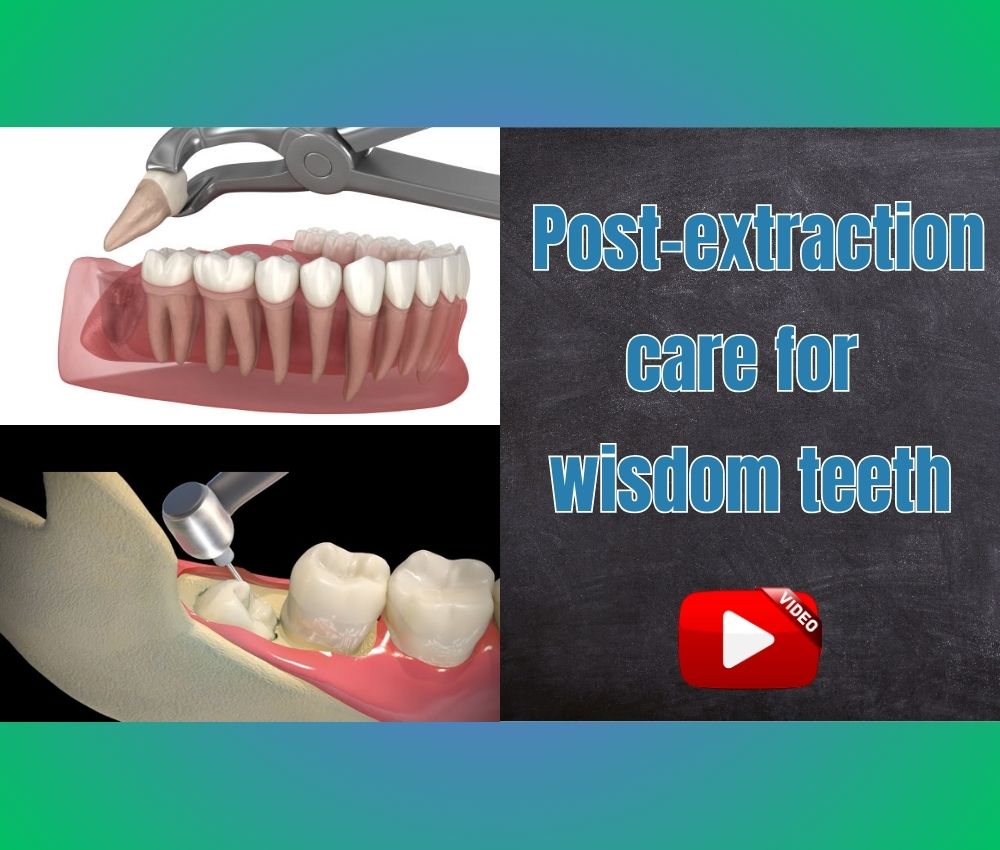
Post-extraction care for wisdom teeth - Tips and recommendations

Oral Surgery

When wisdom teeth do not have enough space to emerge properly it can cause inflammation, pain and infection. In these cases, the wisdom tooth (third molar) must be extracted.

📌 Recommended Article :
VIDEO 🔽 What is a dry socket? All you need to know ... Dry socket is the inflammation of the dental alveolus, and it happens after a post-extraction dental complication, it is very painful, and infrequent, but with the right treatment it disappears in a few days

The procedure is outpatient, and the patient must comply with the pre- and post-operative recommendations. These recommendations aim to avoid some complications such as hemorrhages and alveolitis.

Advertisement

Post-operative care is important, which is why we share some tips and recommendations to avoid complications after wisdom tooth extraction.

📌 Recommended Article :
VIDEO 🔽 Tooth Extraction: Post-Surgical Care and Tips ... The professional should talk with the patient about the care that he should have to avoid complications after the surgical procedure


📌 Watch video " Post-extraction care for wisdom teeth - Tips"


Youtube/ Medinaz

📌 More Recommended Items

THIRD MOLARS: To extract or not to extract?
How is an oral biopsy taken? - Step by step procedure
Why is it recommended to extract a tooth to children?

lunes, 6 de diciembre de 2021

How to prevent infections after third molar extraction?

Oral Surgery

After a wisdom tooth extraction, proper post-operative care is essential to ensure safe healing and avoid infections. This video explains the key steps patients should follow — from maintaining gentle oral hygiene, using antiseptic rinses, and avoiding smoking or suction movements, to recognizing early signs of infection or dry socket.

📌 Recommended Article :
Dental Article 🔽 Do Wisdom Teeth Cause Dental Crowding? Updated Evidence and Clinical Insights ... Wisdom teeth, or third molars, typically erupt between the ages of 17 and 21, coinciding with the period when patients often notice anterior crowding of the mandibular incisors.
In the first 24 hours, it’s important to protect the blood clot that forms in the socket, as it serves as a natural barrier against bacteria. Patients should avoid touching the area with their tongue, consuming very hot foods, or performing vigorous rinses. Once healing begins, gentle brushing and the use of warm saline water help keep the area clean and reduce inflammation.

Advertisement

After wisdom tooth extraction, balanced nutrition and hydration are important during recovery. Soft foods such as soups, yogurt, and vegetable purees are recommended to prevent irritation. Regular follow-up visits with your dentist ensure that the surgical area is healing properly and that no infection or inflammation develops.

📌 Recommended Article :
Dental Article 🔽 8 interesting facts about the Wisdom Tooth ... While they often emerge in late adolescence or early adulthood, their presence and impact on oral health have been subjects of extensive study. Here are eight intriguing facts about wisdom teeth, supported by reputable sources and studies.
By following these professional recommendations, you can protect the surgical site, reduce discomfort, and promote a faster, complication-free recovery.

You may also like :
Difference Between Retained and Impacted Teeth: Diagnosis, Implications, and Treatment
What is pericoronitis? Causes, symptoms and treatment
How to Prevent Dry Socket After Tooth Extraction: Signs, Prevention, and Treatment Guide


Source: Youtube / Indication Apertures – RPCLAV

martes, 23 de noviembre de 2021

Virtual Library - Wisdom Teeth: Everything you need to know

Wisdom Teeth

The third molars, also known as wisdom teeth, are the last molars to appear in the dental arch, in an age range between 16 and 25 years. When these teeth are retained they can cause pain, food accumulation or pericoronitis.

The presence of this molar generates doubts and fear in the patient, and the dental community is in charge of clearing all the questions and myths that have been created.

Advertisements

We share an interesting list of articles and videos that answer all the questions about wisdom teeth.


🎯Scientific Articles, PDF Articles, Videos and more below


8 interesting facts about the Wisdom Tooth

Wisdom teeth and orthodontics: Are they related?

Extraction of Third Molars : Why?

THIRD MOLARS: To extract or not to extract?

What problems can wisdom teeth cause?

Animated Video: Wisdom Tooth Extraction

sábado, 8 de mayo de 2021

Animated Video: Wisdom Tooth Extraction

Oral Surgery

Wisdom teeth cause a lot of pain and discomfort when they erupt, and the solution is surgical removal of the tooth.

We invite you to our English-only dental publishing groups

🎯 WhatsApp Group All Odontology
🎯 Telegram Group All Odontology
🎯 Facebook Group All Odontology

The procedure is safe as long as it is performed by a qualified surgeon, and after a clinical and radiographic examination. The post-operative is safe and without major complications.

Advertisement

We share an animated video on the surgical procedure to remove the wisdom tooth, thanks to the Hunterdon Oral & Maxillofacial Surgical Specialists channel.


You may also like :
Is a dental extraction recommended to a diabetic?
How to handle dental trauma?
Video: Dental Abscess in 3d


Source: Youtube/ Hunterdon Oral & Maxillofacial Surgical Specialists