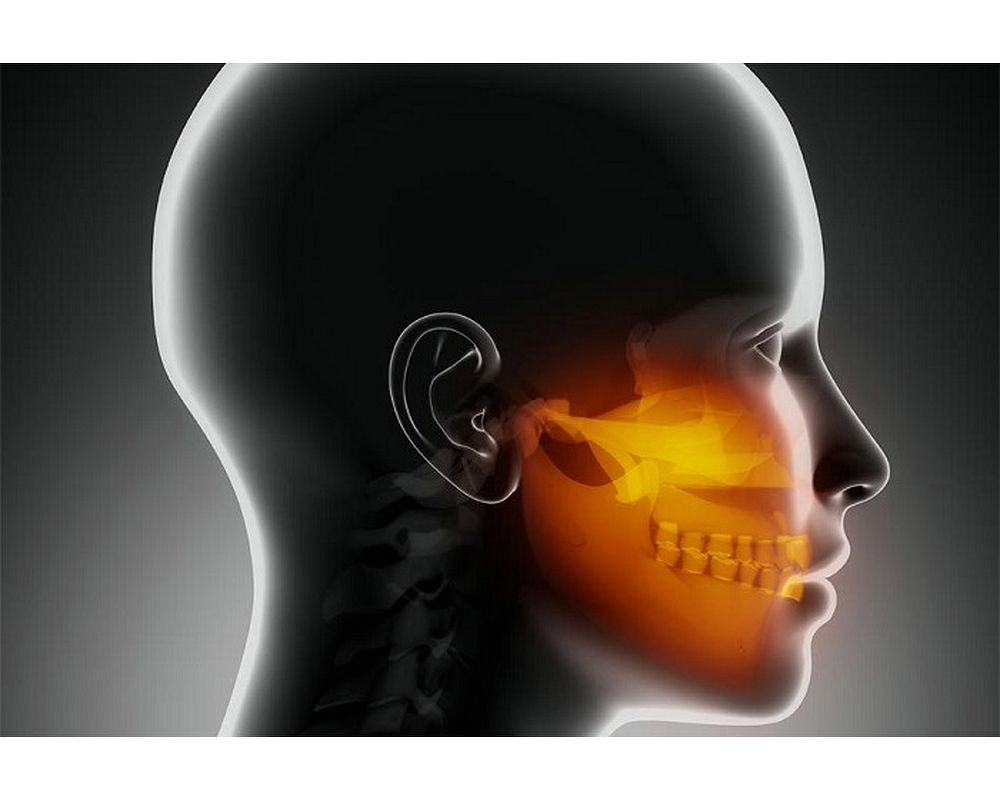
Psychological stress has been increasingly associated with multiple oral conditions affecting both soft and hard tissues of the oral cavity. Chronic stress may alter immune function, salivary flow, parafunctional habits, and inflammatory responses, contributing to the development or exacerbation of oral diseases.
📌 Recommended Article :
Dental Article 🔽 Hypertensive Patient Dental Care: Clinical Guidelines ... This article outlines updated clinical considerations, including patient assessment, pharmacological implications, and modifications across dental specialties.The most common stress-related oral manifestations include bruxism, temporomandibular disorders (TMD), recurrent aphthous ulcers, xerostomia, burning mouth syndrome, periodontal disease progression, and oral lichen planus.
Advertisement
Understanding the pathophysiological mechanisms linking stress and oral health is essential for accurate diagnosis and multidisciplinary management. This article reviews the principal oral manifestations associated with stress, including their definitions and evidence-based treatment approaches.
✅ Introduction
Stress is defined as a physiological and psychological response to internal or external challenges that disrupt homeostasis. Chronic activation of the hypothalamic-pituitary-adrenal axis may increase cortisol levels, alter immune responses, and influence behavioral habits that negatively affect oral health.
In dentistry, psychological stress has been recognized as an important risk factor for several oral pathologies. Stress may contribute directly through neuroimmunological pathways or indirectly by promoting parafunctional habits, poor oral hygiene, unhealthy diet, smoking, and sleep disturbances.
The identification of stress-related oral manifestations is clinically relevant because many patients initially seek dental care before receiving psychological or medical evaluation.
📌 Recommended Article :
Dental Article 🔽 Night Guards: Do They Really Help with Bruxism? ... However, an important clinical question remains: do night guards truly help manage bruxism, or do they simply protect the teeth from its consequences?✅ Oral Manifestations of Stress
1. Bruxism
Definition
Bruxism is a repetitive jaw-muscle activity characterized by clenching or grinding of the teeth during sleep or wakefulness. Emotional stress and anxiety are considered major contributing factors.
Clinical Features
▪️ Tooth wear and enamel attrition
▪️ Tooth sensitivity
▪️ Muscle fatigue or pain
▪️ Headaches
▪️ Fractures of restorations
▪️ Hypertrophy of masticatory muscles
Treatment
▪️ Occlusal splints or night guards
▪️ Stress management therapy
▪️ Behavioral modification techniques
▪️ Sleep hygiene improvement
▪️ Physiotherapy for muscle relaxation
▪️ In severe cases, botulinum toxin injections may be considered
2. Temporomandibular Disorders (TMD)
Definition
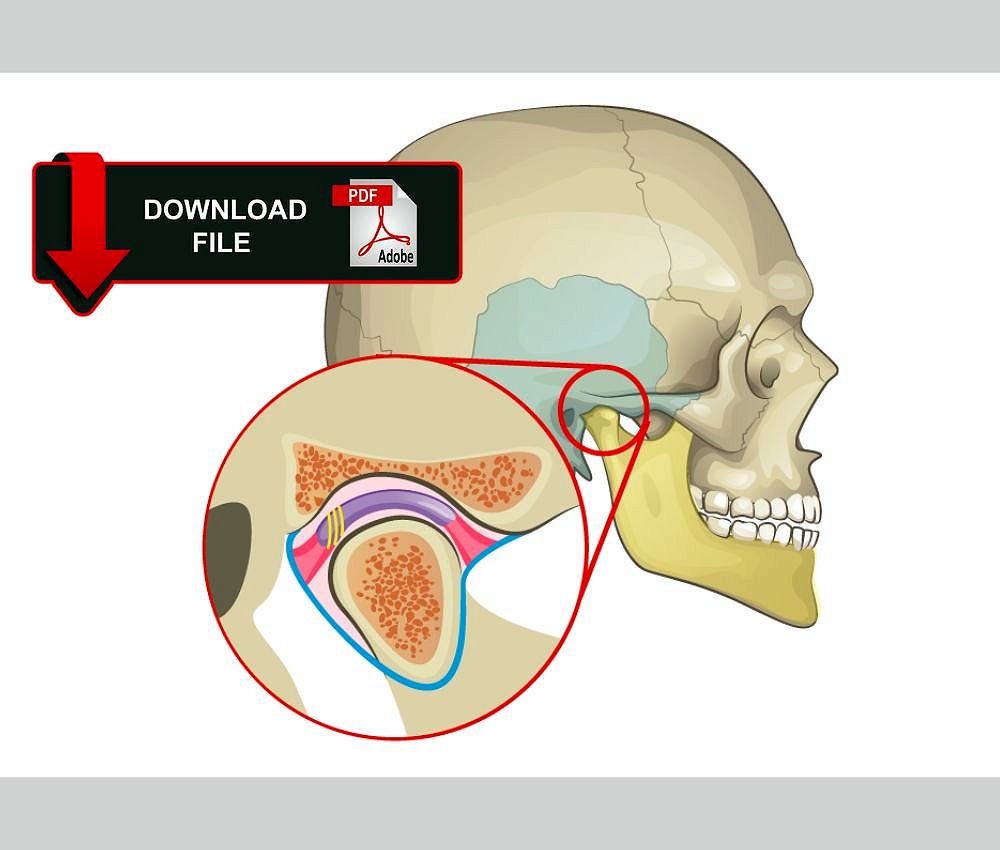
Temporomandibular disorders are a group of musculoskeletal conditions affecting the temporomandibular joint, masticatory muscles, and associated structures. Stress may increase muscle tension and parafunctional activity.
Clinical Features
▪️ Jaw pain
▪️ Joint clicking or popping
▪️ Limited mouth opening
▪️ Facial pain
▪️ Ear discomfort
▪️ Muscle tenderness
Treatment
▪️ Conservative therapy with soft diet
▪️ Anti-inflammatory medications
▪️ Occlusal splints
▪️ Physical therapy
▪️ Cognitive behavioral therapy
▪️ Relaxation exercises
3. Recurrent Aphthous Ulcers
Definition
Recurrent aphthous stomatitis is a chronic inflammatory condition characterized by painful oral ulcers. Emotional stress is considered a common triggering factor.
Clinical Features
▪️ Painful round or oval ulcers
▪️ Erythematous halo surrounding lesions
▪️ Difficulty eating or speaking
▪️ Recurrent episodes
Treatment
▪️ Topical corticosteroids
▪️ Chlorhexidine mouth rinses
▪️ Pain control with topical anesthetics
▪️ Nutritional assessment
▪️ Stress reduction strategies
📌 Recommended Article :
Dental Article 🔽 Temporomandibular Joint (TMJ) Disorders: Structure, Symptoms, Causes, and Treatment ... The temporomandibular joint (TMJ) is a complex bilateral synovial articulation that connects the mandible to the temporal bone of the skull.4. Xerostomia
Definition
Xerostomia refers to the subjective sensation of dry mouth, often associated with reduced salivary flow. Stress and anxiety may alter autonomic nervous system activity, decreasing salivary secretion.
Clinical Features
▪️ Oral dryness
▪️ Difficulty swallowing
▪️ Burning sensation
▪️ Increased caries risk
▪️ Halitosis
▪️ Difficulty wearing dentures
Treatment
▪️ Adequate hydration
▪️ Saliva substitutes
▪️ Sugar-free chewing gum
▪️ Salivary stimulants such as pilocarpine (when indicated)
▪️ Fluoride therapy to prevent caries
5. Burning Mouth Syndrome
Definition
Burning mouth syndrome is characterized by chronic oral burning sensations without identifiable clinical lesions. Psychological stress and anxiety are strongly associated factors.
Clinical Features
▪️ Burning sensation on tongue or oral mucosa
▪️ Altered taste sensation
▪️ Oral dryness
▪️ Symptoms worsening throughout the day
Treatment
▪️ Psychological counseling
▪️ Cognitive behavioral therapy
▪️ Salivary substitutes
▪️ Topical clonazepam in selected cases
▪️ Stress control interventions
6. Periodontal Disease Exacerbation
Definition
Stress may influence periodontal disease progression by impairing immune responses and increasing inflammatory mediators.
Clinical Features
▪️ Gingival inflammation
▪️ Bleeding on probing
▪️ Periodontal pocket formation
▪️ Clinical attachment loss
▪️ Increased plaque accumulation secondary to poor oral hygiene habits
Treatment
▪️ Professional periodontal therapy
▪️ Scaling and root planing
▪️ Improved oral hygiene practices
▪️ Smoking cessation
▪️ Stress management programs
▪️ Regular periodontal maintenance
7. Oral Lichen Planus
Definition
Oral lichen planus is a chronic immune-mediated mucosal disorder that may worsen during periods of psychological stress.
Clinical Features
▪️ White reticular lesions
▪️ Erythematous or erosive areas
▪️ Burning sensation
▪️ Bilateral buccal mucosa involvement
Treatment
▪️ Topical corticosteroids
▪️ Symptom monitoring
▪️ Elimination of irritants
▪️ Psychological support
▪️ Periodic follow-up due to potential malignant transformation risk
📌 Recommended Article :
Dental Article 🔽 Anemia in Children: Oral Warning Signs Every Dentist Should Recognize ... While pediatric anemia is often diagnosed through laboratory tests, the oral cavity may reveal early and clinically significant warning signs.💬 Discussion
The relationship between stress and oral health is multifactorial and involves neuroendocrine, immunological, and behavioral mechanisms. Elevated cortisol levels may suppress immune function, alter inflammatory responses, and predispose patients to oral mucosal lesions and periodontal breakdown.
Additionally, stress-related behaviors such as bruxism, tobacco use, poor dietary habits, and neglect of oral hygiene further aggravate oral conditions. Several studies have demonstrated a significant association between psychological stress and the severity of temporomandibular disorders, recurrent aphthous ulcers, and periodontal disease progression.
Dental professionals should recognize the importance of psychosocial factors during patient assessment. A multidisciplinary approach involving dentists, psychologists, physicians, and physiotherapists may improve long-term outcomes in patients with chronic stress-related oral conditions.
🎯 Recommendations
▪️ Incorporate stress assessment into routine dental examinations.
▪️ Educate patients about the oral consequences of chronic stress.
▪️ Encourage adequate sleep and healthy lifestyle habits.
▪️ Promote regular dental check-ups for early diagnosis.
▪️ Consider referral for psychological or psychiatric evaluation when necessary.
▪️ Use minimally invasive and evidence-based management strategies.
✍️ Conclusion
Stress-related oral manifestations represent an important clinical challenge in modern dentistry. Conditions such as bruxism, xerostomia, aphthous ulcers, TMD, and periodontal disease may significantly compromise oral health and quality of life. Early recognition of stress-associated oral signs allows timely intervention and multidisciplinary management. Dentists play a critical role in identifying these manifestations and implementing preventive and therapeutic strategies supported by scientific evidence.
📚 References
✔ American Academy of Orofacial Pain. (2020). Orofacial pain: Guidelines for assessment, diagnosis, and management (6th ed.). Quintessence Publishing.
✔ Gomes, H. S., Corrêa-Faria, P., Malta, D. C., Bernardino, Í. M., Magalhães, I. B., Guerra, L. M., ... & Granville-Garcia, A. F. (2020). Association between psychological factors, bruxism, and temporomandibular disorders in adolescents: A systematic review. Journal of Oral Rehabilitation, 47(7), 909–921. https://doi.org/10.1111/joor.12979
✔ Goyal, S., Jajoo, S., Nagappa, G., & Rao, G. (2023). Psychological stress and oral health: A comprehensive review. Journal of International Society of Preventive & Community Dentistry, 13(2), 89–97. https://doi.org/10.4103/jispcd.jispcd_205_22
✔ Kaplan, J., & Coulter, C. (2022). The association between stress and temporomandibular disorders: A systematic review. Cranio, 40(1), 34–42. https://doi.org/10.1080/08869634.2020.1739952
✔ López-Jornet, P., Camacho-Alonso, F., & Lucero-Berdugo, M. (2015). Measuring the impact of stress in burning mouth syndrome. Journal of Oral Pathology & Medicine, 44(7), 569–574. https://doi.org/10.1111/jop.12277
✔ Peruzzo, D. C., Benatti, B. B., Ambrosano, G. M. B., Nogueira-Filho, G. R., Sallum, E. A., Casati, M. Z., & Nociti, F. H. (2007). A systematic review of stress and psychological factors as possible risk factors for periodontal disease. Journal of Periodontology, 78(8), 1491–1504. https://doi.org/10.1902/jop.2007.060371
✔ Scully, C. (2013). Oral and maxillofacial medicine: The basis of diagnosis and treatment (3rd ed.). Churchill Livingstone.
✔ Sharma, S., & Gupta, D. S. (2021). Stress and its role in oral diseases: A review. International Journal of Applied Dental Sciences, 7(2), 123–127.
📌 More Recommended Items
► Oral Contraceptives and Oral Health Effects
► Temporomandibular Disorders in Pediatric Patients (TMD): Evidence-Based Evaluation and Management
► Bruxism in Children vs. Adults: Key Differences, Risks, and Evidence-Based Treatments