Mostrando entradas con la etiqueta Space Maintainer. Mostrar todas las entradas

viernes, 24 de julio de 2026

Preventing Malocclusion in Children: Early Interventions

Preventing Malocclusion

Preventing malocclusion in children is one of the most effective ways to support healthy facial growth, proper chewing, clear speech, and long-term oral health.

📌 Recommended Article :
Video 🔽 What is the role of space maintainers? Types of maintainers ... This content explains why maintaining space is essential for preventing crowding, midline shifts, and developing malocclusions, especially in growing children.
Although genetics play an important role in how the teeth and jaws develop, many orthodontic problems can be reduced or even prevented by identifying harmful habits and growth disturbances at an early age.

Advertisement

Early interventions do not always mean braces. In many cases, they involve encouraging healthy oral habits, preserving primary teeth, monitoring jaw development, and treating problems before they become more complex. Early action often results in simpler, less invasive, and more cost-effective treatment later in life.

🔹 Why Early Prevention Matters
Children experience rapid jaw growth during the first years of life. During this period, the developing bones are more adaptable, making it easier to guide normal growth.

Early prevention can:
▪️ Reduce the severity of future orthodontic problems
▪️ Guide normal jaw development
▪️ Lower the need for tooth extractions
▪️ Reduce treatment time with braces
▪️ Improve facial balance
▪️ Promote better oral function

📌 Recommended Article :
PDF 🔽 Oral breathing: new early treatment protocol ... Mouth breathing is multifactorial, and its consequences are short and long term, and it is evident in the oral cavity and in general health. Early evaluation and treatment by the pediatric dentistry and pediatrician is necessary.
🔹 Main Causes of Malocclusion in Children
Several factors contribute to malocclusion.

Genetic Factors
Some children inherit:
▪️ Small jaws
▪️ Large teeth
▪️ Skeletal discrepancies
▪️ Missing or extra teeth
These factors cannot be prevented but can often be managed with early monitoring.

Environmental Factors
Many preventable conditions influence dental development.
Examples include:
▪️ Thumb or finger sucking
▪️ Prolonged pacifier use
▪️ Tongue thrusting
▪️ Mouth breathing
▪️ Premature loss of primary teeth
▪️ Untreated dental caries
▪️ Dental trauma
▪️ Poor oral habits

📌 Recommended Article :
Video 🔽 Importance of Early Orthodontic Treatment: 'Underbites' ... One of the most important conditions to detect early is the underbite, also known as a Class III malocclusion, where the lower jaw extends forward beyond the upper jaw.
🔹 Early Interventions That Help Prevent Malocclusion

1. Promote Healthy Oral Habits
One of the simplest preventive measures is eliminating habits that place abnormal pressure on the developing teeth and jaws.
Parents should encourage children to stop:
▪️ Thumb sucking after 3 years of age
▪️ Prolonged pacifier use
▪️ Lip sucking
▪️ Nail biting when excessive
The earlier these habits stop, the greater the chance that the bite will develop normally.

2. Preserve Primary Teeth
Baby teeth act as natural space maintainers for permanent teeth.
Early tooth loss due to cavities or trauma may allow neighboring teeth to drift into empty spaces, increasing the risk of crowding.
Preventive strategies include:
▪️ Regular dental examinations
▪️ Fluoride use when appropriate
▪️ Good oral hygiene
▪️ Early treatment of cavities

3. Use Space Maintainers When Needed
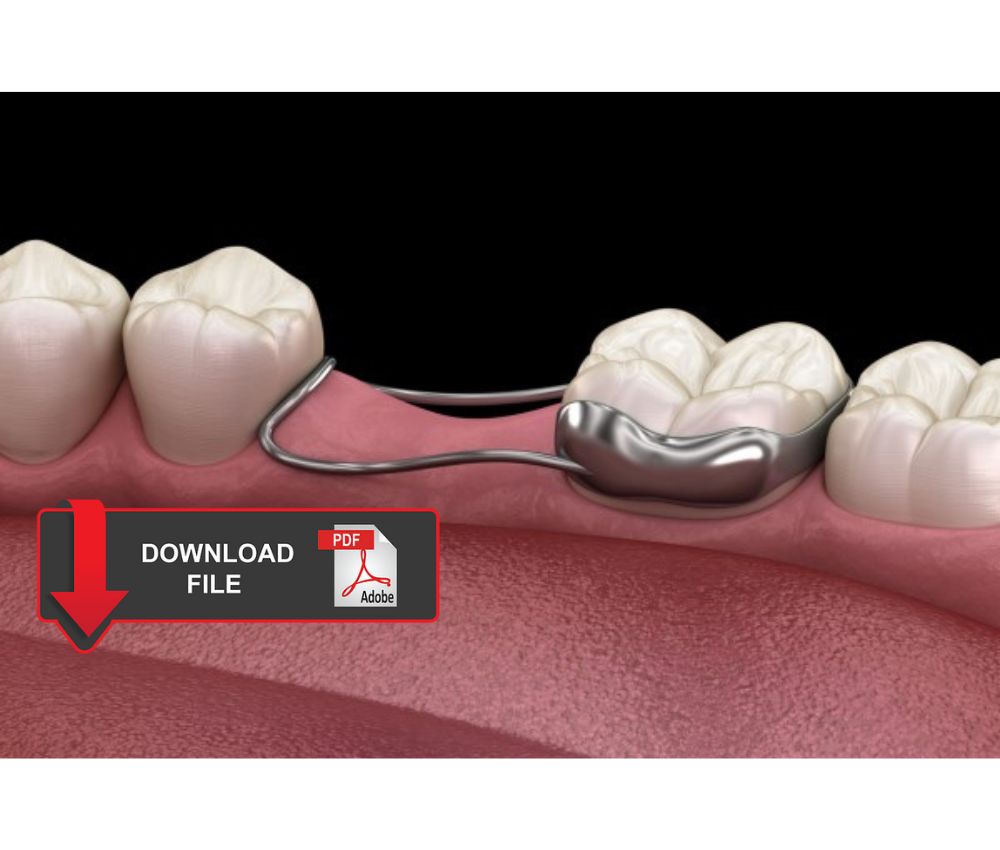
If a primary tooth is lost prematurely, a space maintainer may prevent neighboring teeth from moving into the empty space.
This simple appliance helps maintain proper eruption pathways for permanent teeth.

4. Encourage Nasal Breathing
Persistent mouth breathing may alter facial growth and increase the risk of:
▪️ Narrow upper jaws
▪️ Crossbites
▪️ Open bites
▪️ Long-face growth patterns
Children with chronic mouth breathing should be evaluated to identify possible airway problems such as allergies or enlarged adenoids and tonsils.

5. Monitor Tooth Eruption
Regular dental visits allow dentists to detect:
▪️ Delayed eruption
▪️ Impacted teeth
▪️ Extra teeth
▪️ Missing permanent teeth
▪️ Abnormal eruption paths
Early identification often simplifies treatment.

6. Correct Functional Problems Early
Children with:
▪️ Tongue thrust
▪️ Incorrect swallowing patterns
▪️ Speech-related oral habits
may benefit from myofunctional therapy or interdisciplinary management when appropriate.

7. Schedule Early Orthodontic Evaluation
The American Association of Orthodontists recommends that every child receive an orthodontic evaluation by age 7, even if no obvious problem is present.
At this stage, dentists can identify developing skeletal or dental problems before they worsen.

📌 Recommended Article :
Dental Article 🔽 Best Age for Braces: A Complete Guide for Parents and Adults ... While orthodontic treatment is often associated with teenagers, children and adults can also benefit from braces when treatment is properly planned.
🔹 Signs Parents Should Watch For
Parents should seek a dental evaluation if they notice:

▪️ Difficulty chewing
▪️ Early or late loss of baby teeth
▪️ Crowded teeth
▪️ Crossbite
▪️ Open bite
▪️ Teeth that do not meet properly
▪️ Persistent thumb sucking
▪️ Mouth breathing
▪️ Speech difficulties related to bite problems
▪️ Jaw shifting during chewing

📌 Recommended Article :
Dental Article 🔽 Most Used Interceptive Orthodontic Appliances: Indications and Uses ... This article reviews the most commonly used interceptive orthodontic appliances, their indications, and clinical objectives, supported by current scientific evidence.
🔹 Benefits of Early Intervention
Children who receive timely preventive care may experience:

▪️ Healthier jaw growth
▪️ Improved facial symmetry
▪️ Lower risk of severe crowding
▪️ Better chewing function
▪️ Improved speech development
▪️ Simpler orthodontic treatment
▪️ Lower long-term treatment costs
▪️ Greater self-confidence

📌 Recommended Article :
PDF 🔽 Early interceptive treatment management ... Interceptive orthodontics makes use of various devices to correct alterations in the development of the jaws and prevent them from worsening over time.
🔹 Can Malocclusion Always Be Prevented?
No. Because genetics strongly influence jaw size and tooth position, not every malocclusion can be prevented.
However, many environmental factors are modifiable, and early intervention can significantly reduce the severity of future orthodontic problems.
The goal is often early guidance rather than complete prevention.

📌 Recommended Article :
Dental Article 🔽 How to Correct Harmful Oral Habits in Children That Affect Facial and Dental Development ... Early childhood is a critical period for craniofacial and dental development. Certain harmful oral habits, such as thumb sucking, mouth breathing, or nail biting, can interfere with proper facial growth and tooth alignment.
💬 Discussion
Current scientific evidence supports a preventive and interceptive approach to pediatric orthodontics. While hereditary factors cannot be changed, many childhood habits and environmental influences can be addressed before they permanently affect jaw growth and tooth alignment. Preventive care is most successful when dentists, orthodontists, pediatricians, speech therapists, and parents work together. Regular dental checkups throughout childhood allow clinicians to identify risk factors early and intervene at the most favorable stage of development, improving long-term outcomes while minimizing the need for more complex orthodontic treatment.

🎯 Recommendations
▪️ Schedule the first orthodontic evaluation by age 7.
▪️ Maintain routine dental checkups every six months or as recommended.
▪️ Treat dental caries promptly to preserve primary teeth.
▪️ Discourage prolonged thumb sucking and pacifier use after age 3.
▪️ Encourage nasal breathing and seek medical evaluation for persistent mouth breathing.
▪️ Monitor the eruption of permanent teeth during childhood.
▪️ Use space maintainers when premature loss of primary teeth occurs.
▪️ Promote daily oral hygiene and a balanced diet to support healthy dental development.

✍️ Conclusion
Preventing malocclusion in children begins with early identification, healthy oral habits, and regular professional care. Although genetics influence craniofacial development, many orthodontic problems become more manageable when risk factors are addressed during childhood. Preserving primary teeth, eliminating harmful habits, monitoring eruption patterns, and obtaining an early orthodontic evaluation help guide normal growth and reduce the likelihood of complicated treatment later. A preventive approach benefits not only dental alignment but also oral function, facial development, and overall quality of life.

📚 References

✔ American Association of Orthodontists. (2022). Clinical Practice Guidelines for Orthodontics and Dentofacial Orthopedics. American Association of Orthodontists.
✔ Dean, J. A., Jones, J. E., Vinson, L. A., McDonald, R. E., & Avery, D. R. (2022). McDonald and Avery's Dentistry for the Child and Adolescent (11th ed.). Elsevier.
✔ Graber, L. W., Vanarsdall, R. L., Vig, K. W. L., & Huang, G. J. (2023). Orthodontics: Current Principles and Techniques (7th ed.). Elsevier.
✔ Proffit, W. R., Fields, H. W., Larson, B. E., & Sarver, D. M. (2019). Contemporary Orthodontics (6th ed.). Elsevier.
✔ American Academy of Pediatric Dentistry. (2024). Best Practices: Management of the Developing Dentition and Occlusion in Pediatric Dentistry. Chicago, IL: American Academy of Pediatric Dentistry.

📌 More Recommended Items

Maxillary Orthopedics vs. Interceptive Orthodontics: Key Differences, Similarities, and Treatments
Do Wisdom Teeth Cause Dental Crowding? Updated Evidence and Clinical Insights
How to Correct Harmful Oral Habits in Children That Affect Facial and Dental Development

viernes, 26 de junio de 2026

TPA vs Nance Appliance: Which Space Maintainer Is Better?

TPA vs Nance Appliance

Transpalatal Arch (TPA) and the Nance Appliance are two of the most commonly used fixed orthodontic appliances for maintaining the position of upper molars.

📌 Recommended Article :
Dental Article 🔽 Space Maintainer Importance: Why It Matters in Dentistry ... Their use prevents malocclusion, crowding, and complex orthodontic problems. This article reviews their clinical importance, indications, and long-term impact on oral development.
Although they may appear similar, they serve different purposes and are selected according to each patient's orthodontic needs.

Advertisement

Understanding the differences between these appliances helps patients and parents better follow treatment recommendations and know what to expect during orthodontic care.

What Is a Transpalatal Arch (TPA)?
A Transpalatal Arch (TPA) is a fixed orthodontic appliance made of a stainless-steel wire connecting the upper first molars across the palate. It does not touch the palate directly.
Its primary purpose is to maintain molar position, improve anchorage, and help control molar rotation or width during orthodontic treatment.

Main Advantages
▪️ Easy to clean because it does not rest on the palate.
▪️ Improves molar stability during tooth movement.
▪️ Can help correct minor molar rotations.
▪️ Causes minimal interference with speech and eating after adaptation.
▪️ Generally offers better comfort than appliances with acrylic components.

Limitations
▪️ Provides less anchorage reinforcement than a Nance appliance.
▪️ Not ideal when strong prevention of forward molar movement is required.
▪️ May require periodic adjustments during treatment.

📌 Recommended Article :
Dental Article 🔽 Maxillary Orthopedics vs. Interceptive Orthodontics: Understanding Their Clinical Differences ... This article explores their definitions, characteristics, objectives, and the most common appliances used in each approach.
What Is a Nance Appliance?
The Nance Appliance consists of stainless-steel bands on the upper molars connected to an acrylic button that rests against the front part of the palate.
The acrylic button increases resistance to molar movement, making it an excellent option when maximum anchorage is needed.

Main Advantages
▪️ Provides excellent anchorage control.
▪️ Helps prevent unwanted forward movement of upper molars.
▪️ Useful after premature loss of primary teeth.
▪️ Commonly used during comprehensive orthodontic treatment.

Limitations
▪️ More difficult to clean due to the acrylic button.
▪️ Food and plaque may accumulate around the acrylic if oral hygiene is poor.
▪️ May temporarily affect speech or tongue comfort.
▪️ The acrylic button may occasionally irritate the palatal tissue.

TPA vs Nance Appliance: Quick Comparison

Feature Transpalatal Arch (TPA) Nance Appliance
Main purpose Maintain molar position Provide maximum anchorage
Acrylic button No Yes
Touches the palate No Yes
Oral hygiene Easier to clean More challenging to clean
Patient comfort Higher Moderate
Anchorage strength Moderate High
Plaque accumulation Lower Higher
Typical indication Molar stabilization Space maintenance and anchorage reinforcement
When Is Each Appliance Recommended?

A TPA is usually recommended when:
▪️ Mild to moderate anchorage is needed.
▪️ Molar rotation requires correction.
▪️ Better oral hygiene is a priority.
▪️ Long-term molar stabilization is desired.

A Nance Appliance is usually recommended when:
▪️ Strong anchorage is essential.
▪️ Premature loss of primary teeth has occurred.
▪️ Preventing mesial molar movement is a treatment goal.
▪️ Space preservation is critical before eruption of permanent teeth.

📌 Recommended Article :
Video 🔽 Bionator Appliance: Objectives, Indications, Advantages and Disadvantages ... The Bionator appliance is introduced as a key functional device in early orthopedic treatment, guiding jaw growth and improving the balance between oral structures during a child’s developmental years.
Oral Hygiene Tips
Proper cleaning is essential for both appliances.
Patients should:
▪️ Brush carefully around molar bands.
▪️ Use interdental brushes when recommended.
▪️ Limit sticky and hard foods that could loosen the appliance.
▪️ Attend regular orthodontic check-ups.
▪️ Report any loose bands or discomfort promptly.

📌 Recommended Article :
Dental Article 🔽 Orthodontic Retainers: Which Is the Best Option? ... This article reviews the principal types of orthodontic retainers, compares their clinical performance, and discusses evidence-based considerations for selecting the most appropriate retainer according to individual patient needs.
💬 Discussion
Both appliances are reliable and well-established in orthodontics, but they are not interchangeable. The TPA is generally preferred when maintaining molar position with greater patient comfort and easier hygiene. In contrast, the Nance Appliance provides stronger anchorage because the acrylic button resists unwanted molar movement. However, this additional support comes with increased plaque retention and greater cleaning demands.
The best choice depends on the individual's orthodontic diagnosis, treatment objectives, and ability to maintain good oral hygiene.

✍️ Conclusion
Neither appliance is universally better. The TPA offers greater comfort and easier cleaning, making it suitable for many routine anchorage situations. The Nance Appliance provides superior anchorage control, making it the preferred option when maximum resistance to molar movement is required.
A personalized orthodontic evaluation ensures that the selected appliance matches the patient's clinical needs and long-term treatment goals.

🎯 Recommendations
▪️ Maintain excellent oral hygiene throughout treatment.
▪️ Avoid sticky or hard foods that may damage the appliance.
▪️ Follow scheduled orthodontic appointments for monitoring and adjustments.
▪️ Consult your orthodontist if you notice discomfort, loose bands, or difficulty cleaning the appliance.
▪️ Remember that appliance selection should always be based on an individualized treatment plan, not personal preference.

📚 References

✔ Graber, L. W., Vanarsdall, R. L., Vig, K. W. L., & Huang, G. J. (2023). Orthodontics: Current Principles and Techniques (7th ed.). Elsevier.
✔ Proffit, W. R., Fields, H. W., Larson, B. E., & Sarver, D. M. (2019). Contemporary Orthodontics (6th ed.). Elsevier.
✔ Littlewood, S. J., Mitchell, L., & Greenwood, D. C. (2021). An Introduction to Orthodontics (6th ed.). Oxford University Press.

📌 More Recommended Items

What is the role of space maintainers? Types of maintainers
Palatal Expansion and Maxillary Disjunction: Comprehensive Guide to Palatal Expanders in Orthodontics
Hawley Plate with Expansion Screw: Activation Protocols and Clinical Applications

miércoles, 8 de octubre de 2025

The Role of Space Maintainers in Pediatric Dentistry: Importance and Benefits

Space Maintainers

Abstract
The premature loss of primary teeth can lead to severe consequences in dental arch development and occlusion. Space maintainers play a crucial role in preventing space loss, malocclusions, and future orthodontic complications.

📌 Recommended Article :
Video 🔽 What is the role of space maintainers? Types of maintainers ... Loss of a primary tooth can happen from trauma or tooth extraction. One of the consequences of this loss is that the permanent molars tilt in the space left by the primary tooth.
This article reviews the types, indications, and benefits of space maintainers in pediatric dentistry and discusses their role in maintaining functional and esthetic balance in the developing dentition.

Advertisement


Introduction
The maintenance of arch length and integrity is a fundamental aspect of preventive pediatric dentistry. When primary teeth are lost prematurely due to caries, trauma, or extraction, the adjacent teeth tend to drift into the empty space, leading to malalignment, crowding, or impaction of permanent successors. To avoid these complications, space maintainers are used as preventive appliances designed to preserve the space until the permanent tooth erupts.

📌 Recommended Article :
PDF 🔽 Alternative for the rehabilitation of pediatric patients with early childhood caries ... Rehabilitation in pediatric dentistry is a challenge since the treatment must be immediate to avoid problems in the child's cooperation. There are several methods to rehabilitate and replace prematurely lost teeth.
Importance of Space Maintainers
The importance of space maintainers lies in their ability to preserve arch length and guide eruption. They also prevent costly orthodontic treatments in the future. The use of these devices ensures that the eruption pattern of permanent teeth remains undisturbed, maintaining proper occlusion and facial harmony.
➤ Key benefits include:

▪️ Prevention of space loss due to drifting or tipping of adjacent teeth.
▪️ Maintenance of arch integrity and alignment of dental segments.
▪️ Facilitation of normal eruption of permanent teeth.
▪️ Reduction in orthodontic complications in adolescence.

📌 Recommended Article :
Dental Article 🔽 Traumatic Dental Injuries in Children: Diagnosis and Management ... A multidisciplinary approach involving pediatric dentists, endodontists, and parents ensures optimal outcomes. Preventive strategies and long-term monitoring are essential to reduce complications and improve the prognosis of traumatized teeth.
Types of Space Maintainers
Space maintainers can be broadly divided into fixed and removable types, each with specific indications depending on the location and number of teeth lost.
Below is a comparative summary:

📊 Types of Space Maintainers in Pediatric Dentistry

Type Advantages Limitations
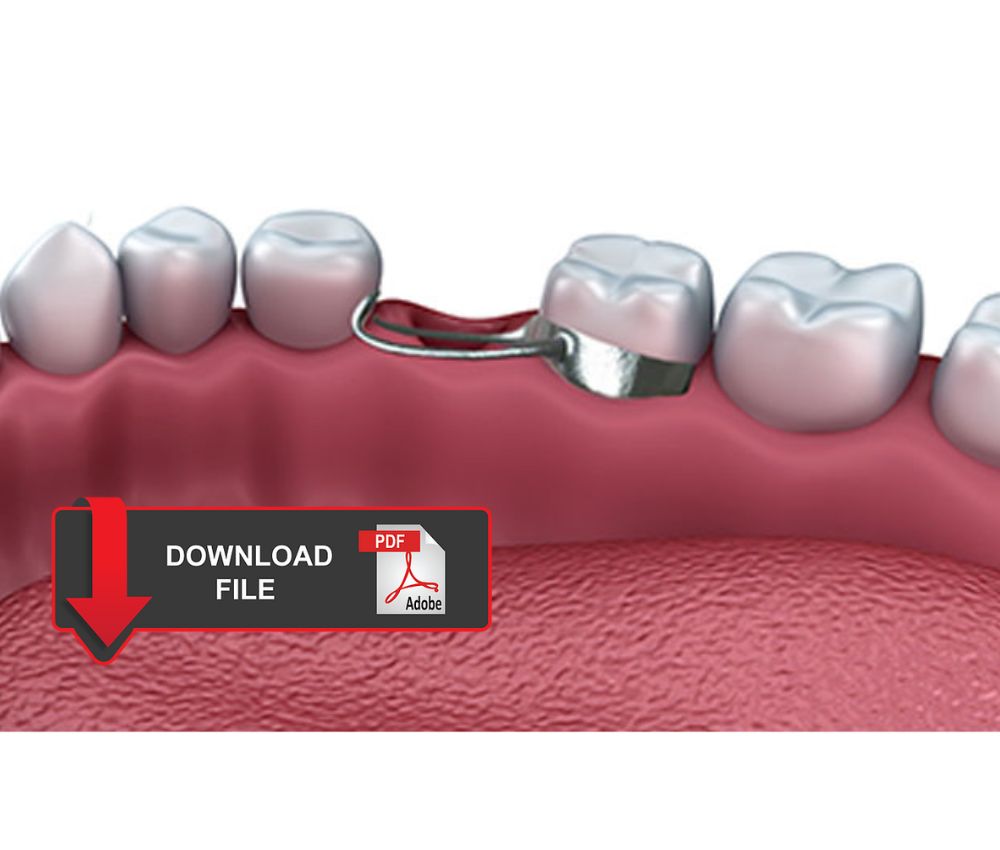
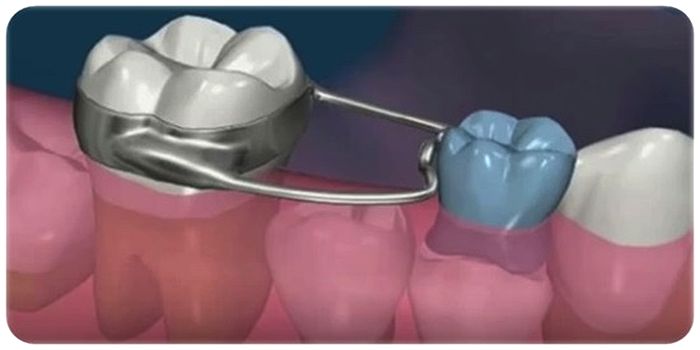
Band and Loop Simple design, easy to fabricate, effective for unilateral loss of one primary molar. Not suitable for bilateral loss; may require frequent adjustments.
Lingual Arch Maintains space for multiple missing teeth in the mandibular arch; durable and stable. Requires permanent molars eruption; not indicated for anterior teeth loss.
Nance Appliance Ideal for bilateral loss in the maxillary arch; offers strong anchorage. May irritate palatal mucosa; requires good hygiene.
Distal Shoe Guides eruption of first permanent molar; used when second primary molar is lost before eruption. Invasive; requires careful monitoring and radiographic control.
Removable Space Maintainer Easily cleaned and adjusted; suitable for multiple missing teeth. Relies on patient cooperation; risk of loss or breakage.

💬 Discussion
The selection of the appropriate space maintainer depends on several factors, including the age of the patient, number of teeth lost, arch involved, and eruption stage of the permanent dentition. Fixed maintainers such as the band and loop or lingual arch are preferred for young patients with limited cooperation, while removable maintainers are more suitable for older, cooperative children.
Recent studies suggest that customized appliances made with CAD/CAM and 3D printing improve adaptation and comfort, reducing chair time and failure rates (Kumar et al., 2023). However, long-term success still depends heavily on oral hygiene, periodic follow-up, and parental education.

📌 Recommended Article :
Dental Article 🔽 Serial Extractions in Pediatric Dentistry: Clinical Phases, Benefits, and Updated Guidelines ... This article provides an evidence-based review of the clinical phases of serial extractions, their benefits, indications, and current recommendations.
✍️ Conclusion
Space maintainers remain an essential preventive tool in pediatric dentistry. They preserve the functional and esthetic aspects of the dentition, prevent space loss, and guide permanent teeth eruption. Early assessment after premature tooth loss ensures timely intervention, minimizing future orthodontic complications.

🔎 Recommendations
▪️ Evaluate space loss risk immediately after premature tooth extraction.
▪️ Select the appropriate type of maintainer according to patient needs and cooperation.
▪️ Educate parents and children on hygiene maintenance and follow-up importance.
▪️ Monitor eruption progress through periodic clinical and radiographic reviews.
▪️ Encourage the use of digital fabrication technologies for better appliance precision.

📚 References

✔ American Academy of Pediatric Dentistry. (2024). Guideline on management of the developing dentition and occlusion in pediatric dentistry. Pediatric Dentistry, 46(2), 290–298.
✔ Kumar, S., Sharma, A., & Singh, R. (2023). Advances in space maintainer design using CAD/CAM technology. Journal of Clinical Pediatric Dentistry, 47(1), 15–21. https://doi.org/10.17796/1053-4628-47.1.3
✔ Ngan, P., & Wei, S. H. Y. (2022). Management of space problems in mixed dentition. International Journal of Paediatric Dentistry, 32(4), 550–558. https://doi.org/10.1111/ipd.12921
✔ Subramaniam, P., & Babu, K. L. (2023). Clinical evaluation of fixed and removable space maintainers: A longitudinal study. European Archives of Paediatric Dentistry, 24(2), 145–152. https://doi.org/10.1007/s40368-022-00733-8

📌 More Recommended Items

What are impacted canines? - Treatment
Pacifier Use in Infants: Dental Risks and Recommendations
Severe Dental Infections: Symptoms, Treatment & Antibiotics

lunes, 11 de julio de 2022

Alternative for the rehabilitation of pediatric patients with early childhood caries

Oral Rehabilitation

Early childhood caries (known as baby bottle tooth decay) is an infectious process that destroys tooth structure, even leading to tooth loss. Rehabilitation is necessary to avoid serious aesthetic and functional consequences in the pediatric patient.

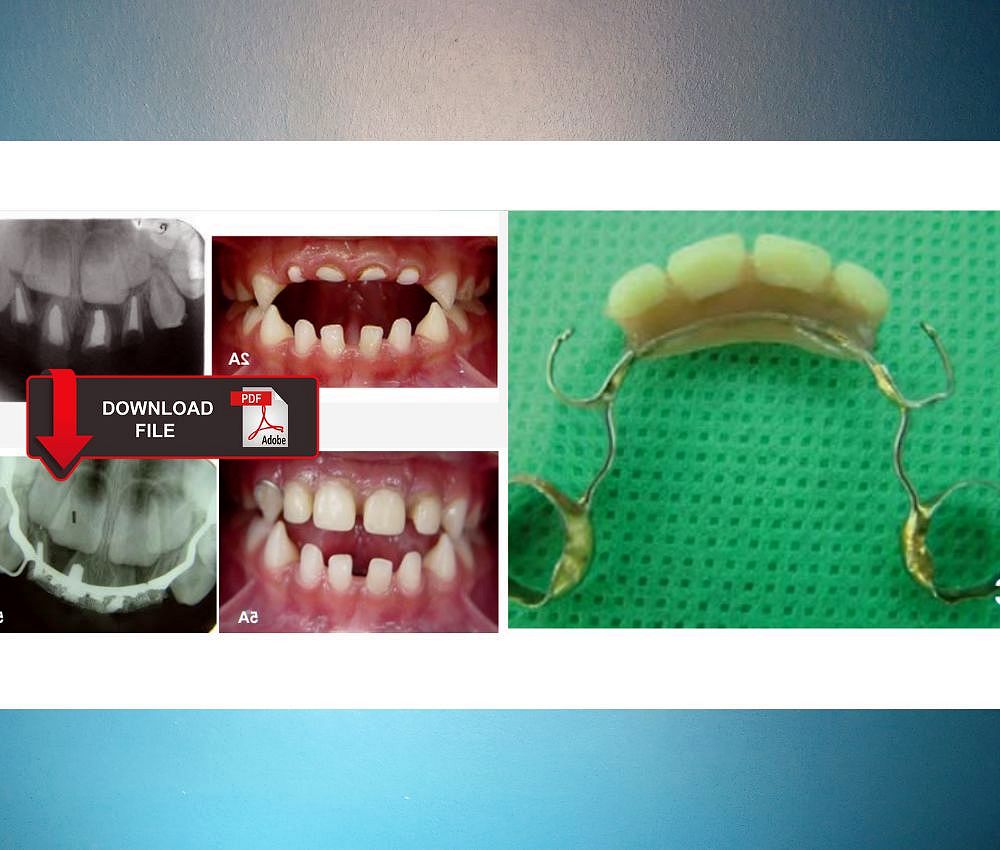
Rehabilitation in pediatric dentistry is a challenge since the treatment must be immediate to avoid problems in the child's cooperation. There are several methods to rehabilitate and replace prematurely lost teeth.

Advertisement

We share the oral rehabilitation of a pediatric patient affected by early childhood caries, using a functional appliance aesthetically appropriate for the patient.

Oral Rehabilitation


👉 READ AND DOWNLOAD "Alternative for the rehabilitation of pediatric patients with early childhood caries" IN FULL IN PDF👈


Pereira dos Santos MA, Moraes Pinheiro LH, Lima Pedro RD, Alves Antunes LA, Primo LG (2021) Overdenture: An alternative treatment for oral rehabilitation in patients with early childhood caries. J Dent Probl Solut 8(1): 005-009. DOI: https://dx.doi.org/10.17352/2394-8418.000095

You may also like :
Esthetic restoration of deciduous anterior teeth using prefabricated zirconia crowns: A case report
Anterior dental esthetics in primary teeth - Oral Rehabilitation
Hall technique: Complete information for the treatment of carious primary molars

jueves, 30 de junio de 2022

Space Maintainer in Pediatric Dentistry: How do they work? Benefits and indications

Stainless steel crown

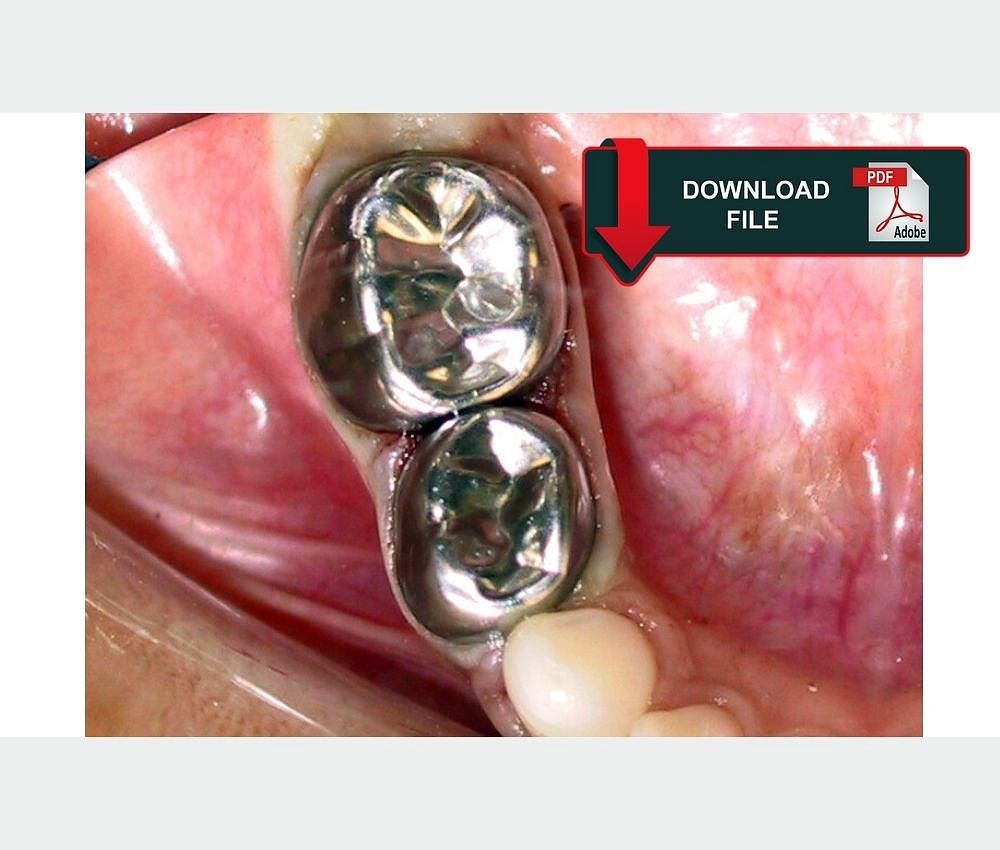
The primary teeth fulfill several functions, one of them is to save and maintain the space that corresponds to the permanent tooth until its exfoliation.

The premature loss of primary teeth puts the correct position and occlusion of the permanent teeth at risk. Preventive orthodontics makes use of space maintainers to prevent unwanted tooth movements.

Advertisement

We share a complete study and review on the importance, indications, types and effectiveness of space maintainers in pediatric dentistry.

Space Maintainer


👉 READ AND DOWNLOAD "The Use of Space Maintainer in Pediatric Dentistry: A Systematic Review " IN FULL IN PDF👈


(2021). The Use of Space Maintainer in Pediatric Dentistry: A Systematic Review. European Journal of Molecular & Clinical Medicine, 8(2), 1532-1545.

👉 READ AND DOWNLOAD "Dental Space Maintainers: A Brief Review" IN FULL IN PDF👈


[Nayara Silva de Oliveira Morais1, Fabiana Barbosa Faustino1, Talysson Silva de Oliveira Morais, Elias NaimKassis, Fábio Pereira Linhares de Castro, Andreia Borges Scriboni, Simone Andreia Gubolin, Leandro Moreira Tempest and Idiberto José Zotarelli Filho. (2016); DENTAL SPACE MAINTAINERS: A BRIEF REVIEW. Int. J. of Adv. Res. 4 (Oct). 2086-2092] (ISSN 2320-5407). www.journalijar.com


👉 ALSO WATCH THE VIDEO: What is a Space Maintainer and How Does It Work?


Fuente: Youtube / Denovo Dental

You may also like :
What is the importance of the Space Maintainer?
Space Maintainers: Benefits and Types - Webinar
Space Maintainers: Types, indications and complications

miércoles, 8 de junio de 2022

Space Maintainers: Types, indications and complications

Space Maintainers

Dental trauma and extensive caries are the most common reasons for premature loss of primary teeth. In these cases it is necessary to place a space maintainer whose objective is to preserve the space destined for the successor permanent tooth.

Space maintainers can be fixed or removable, unilateral or bilateral, and have different designs. The specialist will decide which type of maintainer is suitable for the patient after a clinical and radiographic evaluation.

Advertisement

We share complete information on the importance of space maintainers in the prevention of dental malocclusions, reviewing their applications, indications and complications.

Space Maintainer


👇 READ AND DOWNLOAD THE ARTICLE "Natal teeth and Riga Fede ulcer: Diagnosis and treatment" IN PDF 👇


Albati, M., Showlag, R., Akili, A., Hanafiyyah, H., AlNashri, H., Aladwani, W., Alfarsi, G., Alharbi, M., & Almutairi, A. (2018). Space maintainers application, indication and complications. International Journal Of Community Medicine And Public Health, 5(11), 4970-4974. doi:http://dx.doi.org/10.18203/2394-6040.ijcmph20184251

You may also like :
What is the importance of the Space Maintainer?
Space Maintainers: Benefits and Types - Webinar
ORTHODONTICS : Serial extraction of primary teeth

sábado, 31 de octubre de 2020

Space Maintainers: Benefits and Types - Webinar

Space Maintainers

Space maintainers are devices, fixed or removable, whose function is to conserve the space left by a primary tooth for the eruption of the permanent tooth.

We invite you to our English-only dental publishing groups

🎯 WhatsApp Group All Odontology
🎯 Telegram Group All Odontology
🎯 Facebook Group All Odontology

The use of space maintainers is necessary when a tooth is lost early, due to a cavity or accident. In this way we prevent a future bad dental position.

Advertisement

There are several types of space maintainers, and it is the dentist who will determine which is the most recommended for the patient after conducting an evaluation. Much more on the space maintainer below.

space maintainers


You may also like :
What is the importance of the Space Maintainer?
How to Apply: Clinpro Sealant - Step by step
Atraumatic Restorative Treatment in Dentistry


Source: Youtube/ Mental Dental