Preventing malocclusion in children is one of the most effective ways to support healthy facial growth, proper chewing, clear speech, and long-term oral health.
📌 Recommended Article :
Video 🔽 What is the role of space maintainers? Types of maintainers ... This content explains why maintaining space is essential for preventing crowding, midline shifts, and developing malocclusions, especially in growing children.Although genetics play an important role in how the teeth and jaws develop, many orthodontic problems can be reduced or even prevented by identifying harmful habits and growth disturbances at an early age.
Advertisement
Early interventions do not always mean braces. In many cases, they involve encouraging healthy oral habits, preserving primary teeth, monitoring jaw development, and treating problems before they become more complex. Early action often results in simpler, less invasive, and more cost-effective treatment later in life.
🔹 Why Early Prevention Matters
Children experience rapid jaw growth during the first years of life. During this period, the developing bones are more adaptable, making it easier to guide normal growth.
Early prevention can:
▪️ Reduce the severity of future orthodontic problems
▪️ Guide normal jaw development
▪️ Lower the need for tooth extractions
▪️ Reduce treatment time with braces
▪️ Improve facial balance
▪️ Promote better oral function
📌 Recommended Article :
PDF 🔽 Oral breathing: new early treatment protocol ... Mouth breathing is multifactorial, and its consequences are short and long term, and it is evident in the oral cavity and in general health. Early evaluation and treatment by the pediatric dentistry and pediatrician is necessary.🔹 Main Causes of Malocclusion in Children
Several factors contribute to malocclusion.
Genetic Factors
Some children inherit:
▪️ Small jaws
▪️ Large teeth
▪️ Skeletal discrepancies
▪️ Missing or extra teeth
These factors cannot be prevented but can often be managed with early monitoring.
Environmental Factors
Many preventable conditions influence dental development.
Examples include:
▪️ Thumb or finger sucking
▪️ Prolonged pacifier use
▪️ Tongue thrusting
▪️ Mouth breathing
▪️ Premature loss of primary teeth
▪️ Untreated dental caries
▪️ Dental trauma
▪️ Poor oral habits
📌 Recommended Article :
Video 🔽 Importance of Early Orthodontic Treatment: 'Underbites' ... One of the most important conditions to detect early is the underbite, also known as a Class III malocclusion, where the lower jaw extends forward beyond the upper jaw.🔹 Early Interventions That Help Prevent Malocclusion
1. Promote Healthy Oral Habits
One of the simplest preventive measures is eliminating habits that place abnormal pressure on the developing teeth and jaws.
Parents should encourage children to stop:
▪️ Thumb sucking after 3 years of age
▪️ Prolonged pacifier use
▪️ Lip sucking
▪️ Nail biting when excessive
The earlier these habits stop, the greater the chance that the bite will develop normally.
2. Preserve Primary Teeth
Baby teeth act as natural space maintainers for permanent teeth.
Early tooth loss due to cavities or trauma may allow neighboring teeth to drift into empty spaces, increasing the risk of crowding.
Preventive strategies include:
▪️ Regular dental examinations
▪️ Fluoride use when appropriate
▪️ Good oral hygiene
▪️ Early treatment of cavities
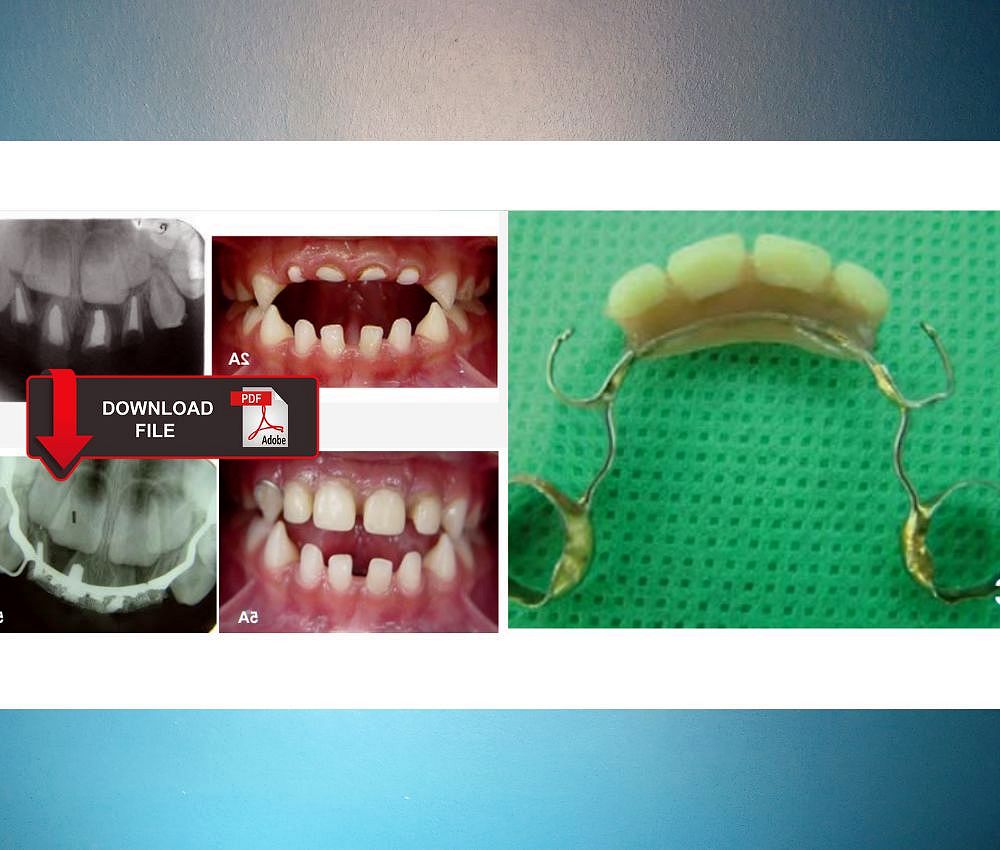
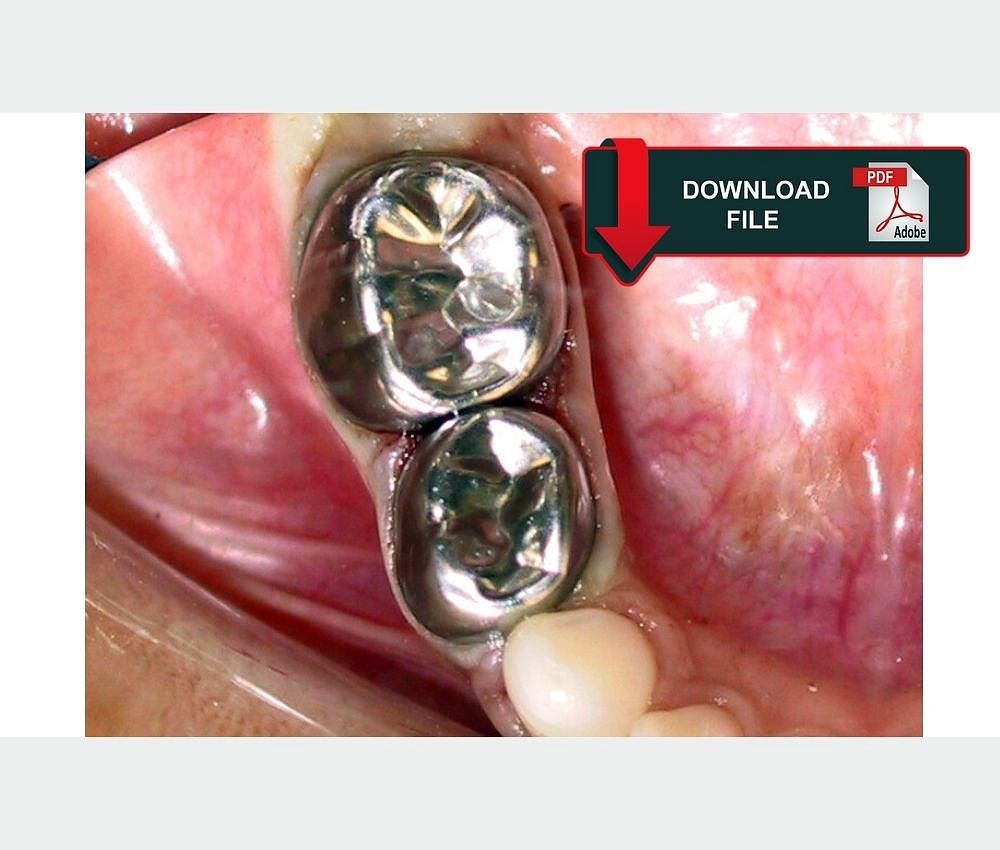
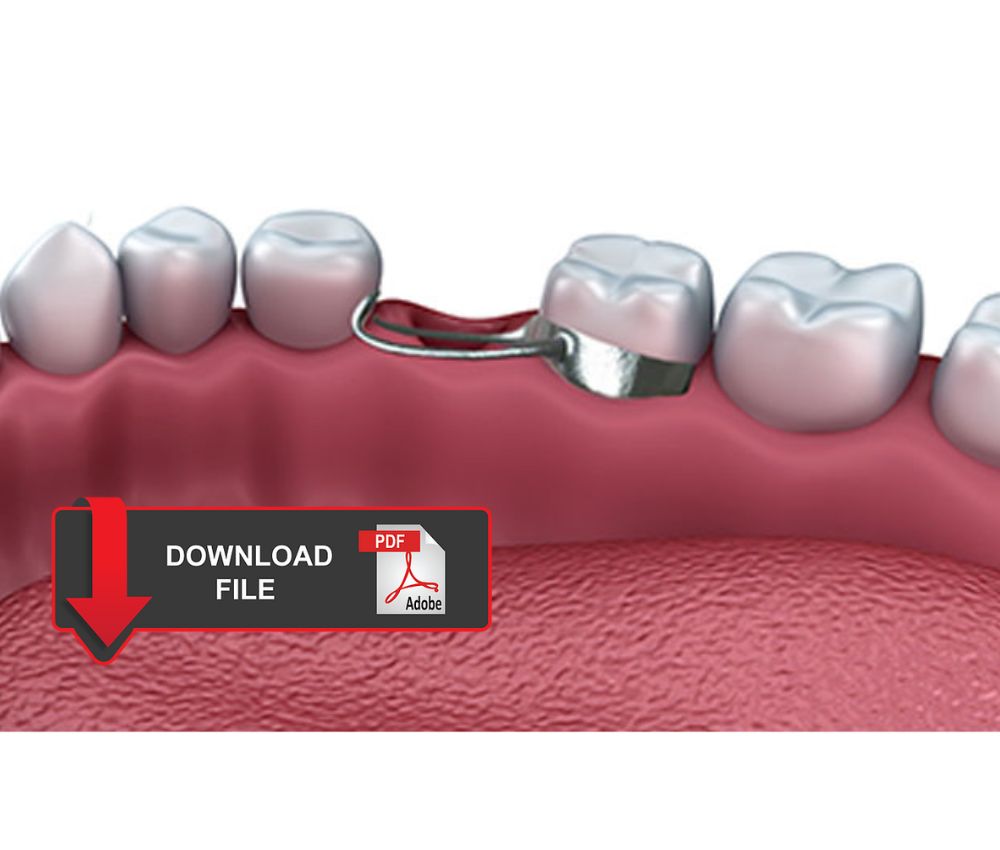
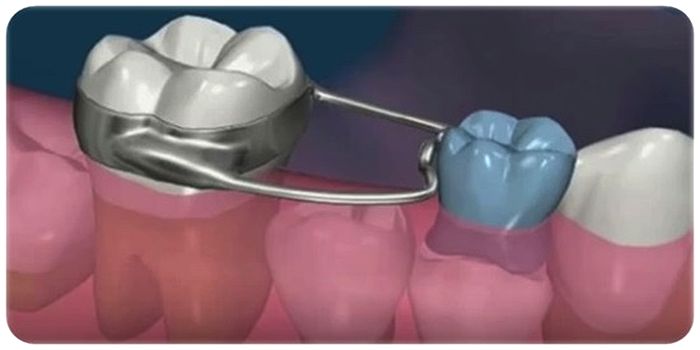
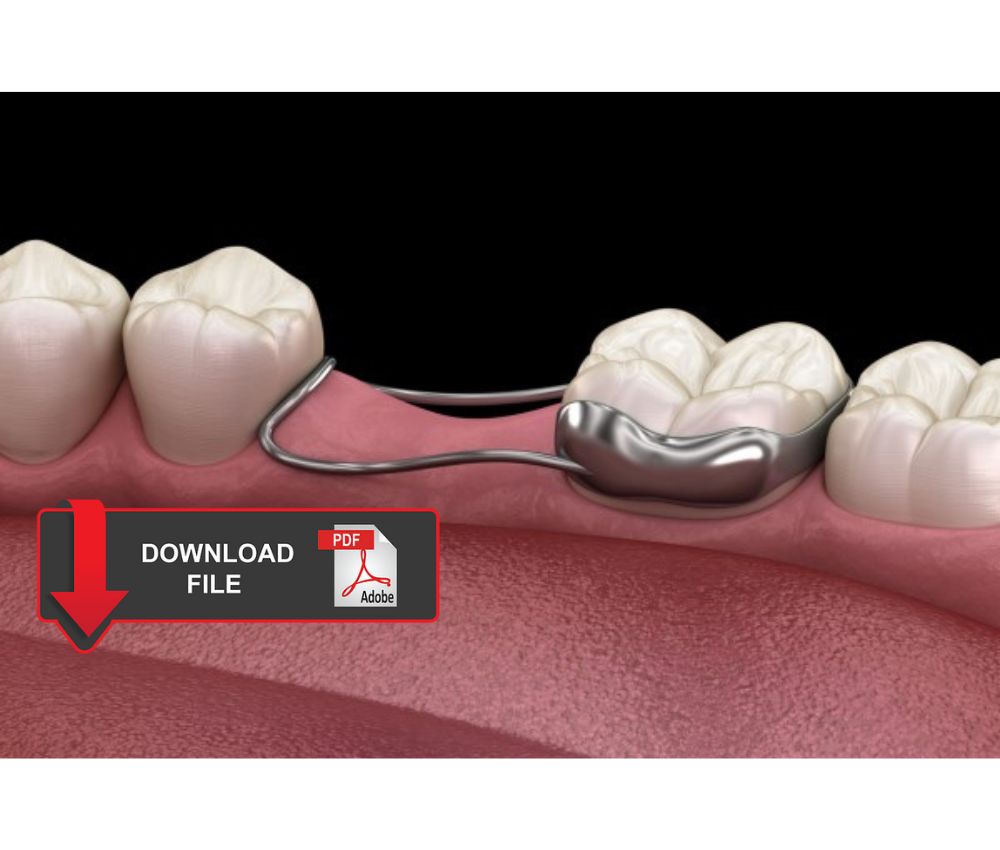
3. Use Space Maintainers When Needed
If a primary tooth is lost prematurely, a space maintainer may prevent neighboring teeth from moving into the empty space.
This simple appliance helps maintain proper eruption pathways for permanent teeth.
4. Encourage Nasal Breathing
Persistent mouth breathing may alter facial growth and increase the risk of:
▪️ Narrow upper jaws
▪️ Crossbites
▪️ Open bites
▪️ Long-face growth patterns
Children with chronic mouth breathing should be evaluated to identify possible airway problems such as allergies or enlarged adenoids and tonsils.
5. Monitor Tooth Eruption
Regular dental visits allow dentists to detect:
▪️ Delayed eruption
▪️ Impacted teeth
▪️ Extra teeth
▪️ Missing permanent teeth
▪️ Abnormal eruption paths
Early identification often simplifies treatment.
6. Correct Functional Problems Early
Children with:
▪️ Tongue thrust
▪️ Incorrect swallowing patterns
▪️ Speech-related oral habits
may benefit from myofunctional therapy or interdisciplinary management when appropriate.
7. Schedule Early Orthodontic Evaluation
The American Association of Orthodontists recommends that every child receive an orthodontic evaluation by age 7, even if no obvious problem is present.
At this stage, dentists can identify developing skeletal or dental problems before they worsen.
📌 Recommended Article :
Dental Article 🔽 Best Age for Braces: A Complete Guide for Parents and Adults ... While orthodontic treatment is often associated with teenagers, children and adults can also benefit from braces when treatment is properly planned.🔹 Signs Parents Should Watch For
Parents should seek a dental evaluation if they notice:
▪️ Difficulty chewing
▪️ Early or late loss of baby teeth
▪️ Crowded teeth
▪️ Crossbite
▪️ Open bite
▪️ Teeth that do not meet properly
▪️ Persistent thumb sucking
▪️ Mouth breathing
▪️ Speech difficulties related to bite problems
▪️ Jaw shifting during chewing
📌 Recommended Article :
Dental Article 🔽 Most Used Interceptive Orthodontic Appliances: Indications and Uses ... This article reviews the most commonly used interceptive orthodontic appliances, their indications, and clinical objectives, supported by current scientific evidence.🔹 Benefits of Early Intervention
Children who receive timely preventive care may experience:
▪️ Healthier jaw growth
▪️ Improved facial symmetry
▪️ Lower risk of severe crowding
▪️ Better chewing function
▪️ Improved speech development
▪️ Simpler orthodontic treatment
▪️ Lower long-term treatment costs
▪️ Greater self-confidence
📌 Recommended Article :
PDF 🔽 Early interceptive treatment management ... Interceptive orthodontics makes use of various devices to correct alterations in the development of the jaws and prevent them from worsening over time.🔹 Can Malocclusion Always Be Prevented?
No. Because genetics strongly influence jaw size and tooth position, not every malocclusion can be prevented.
However, many environmental factors are modifiable, and early intervention can significantly reduce the severity of future orthodontic problems.
The goal is often early guidance rather than complete prevention.
📌 Recommended Article :
Dental Article 🔽 How to Correct Harmful Oral Habits in Children That Affect Facial and Dental Development ... Early childhood is a critical period for craniofacial and dental development. Certain harmful oral habits, such as thumb sucking, mouth breathing, or nail biting, can interfere with proper facial growth and tooth alignment.💬 Discussion
Current scientific evidence supports a preventive and interceptive approach to pediatric orthodontics. While hereditary factors cannot be changed, many childhood habits and environmental influences can be addressed before they permanently affect jaw growth and tooth alignment. Preventive care is most successful when dentists, orthodontists, pediatricians, speech therapists, and parents work together. Regular dental checkups throughout childhood allow clinicians to identify risk factors early and intervene at the most favorable stage of development, improving long-term outcomes while minimizing the need for more complex orthodontic treatment.
🎯 Recommendations
▪️ Schedule the first orthodontic evaluation by age 7.
▪️ Maintain routine dental checkups every six months or as recommended.
▪️ Treat dental caries promptly to preserve primary teeth.
▪️ Discourage prolonged thumb sucking and pacifier use after age 3.
▪️ Encourage nasal breathing and seek medical evaluation for persistent mouth breathing.
▪️ Monitor the eruption of permanent teeth during childhood.
▪️ Use space maintainers when premature loss of primary teeth occurs.
▪️ Promote daily oral hygiene and a balanced diet to support healthy dental development.
✍️ Conclusion
Preventing malocclusion in children begins with early identification, healthy oral habits, and regular professional care. Although genetics influence craniofacial development, many orthodontic problems become more manageable when risk factors are addressed during childhood. Preserving primary teeth, eliminating harmful habits, monitoring eruption patterns, and obtaining an early orthodontic evaluation help guide normal growth and reduce the likelihood of complicated treatment later. A preventive approach benefits not only dental alignment but also oral function, facial development, and overall quality of life.
📚 References
✔ American Association of Orthodontists. (2022). Clinical Practice Guidelines for Orthodontics and Dentofacial Orthopedics. American Association of Orthodontists.
✔ Dean, J. A., Jones, J. E., Vinson, L. A., McDonald, R. E., & Avery, D. R. (2022). McDonald and Avery's Dentistry for the Child and Adolescent (11th ed.). Elsevier.
✔ Graber, L. W., Vanarsdall, R. L., Vig, K. W. L., & Huang, G. J. (2023). Orthodontics: Current Principles and Techniques (7th ed.). Elsevier.
✔ Proffit, W. R., Fields, H. W., Larson, B. E., & Sarver, D. M. (2019). Contemporary Orthodontics (6th ed.). Elsevier.
✔ American Academy of Pediatric Dentistry. (2024). Best Practices: Management of the Developing Dentition and Occlusion in Pediatric Dentistry. Chicago, IL: American Academy of Pediatric Dentistry.
📌 More Recommended Items
► Maxillary Orthopedics vs. Interceptive Orthodontics: Key Differences, Similarities, and Treatments
► Do Wisdom Teeth Cause Dental Crowding? Updated Evidence and Clinical Insights
► How to Correct Harmful Oral Habits in Children That Affect Facial and Dental Development