Mostrando entradas con la etiqueta Hall Technique. Mostrar todas las entradas

martes, 3 de noviembre de 2026

Hall Technique vs Conventional Technique: Key Differences

Hall Technique - Conventional Technique

The management of carious lesions in primary molars has evolved toward minimally invasive dentistry, emphasizing the preservation of tooth structure and the reduction of unnecessary operative procedures.

📌 Recommended Article :
Video 🔽 Stainless Steel Crowns: Adaptation and installation - Step by step ... Steel crowns are the most used for their easy adaptation, installation and low cost. Currently, the Hall technique is used, which simplifies the procedure for installing metal crowns.
Two approaches commonly used in pediatric dentistry are the Hall Technique (HT) and the conventional restorative technique (CT).

Advertisement

Although both aim to manage dental caries and preserve primary teeth until their natural exfoliation, they differ considerably in caries management, cavity preparation, restoration placement, and clinical requirements.
Understanding these differences is essential for selecting the most appropriate treatment according to caries activity, lesion characteristics, pulpal status, and patient cooperation.

📌 Recommended Article :
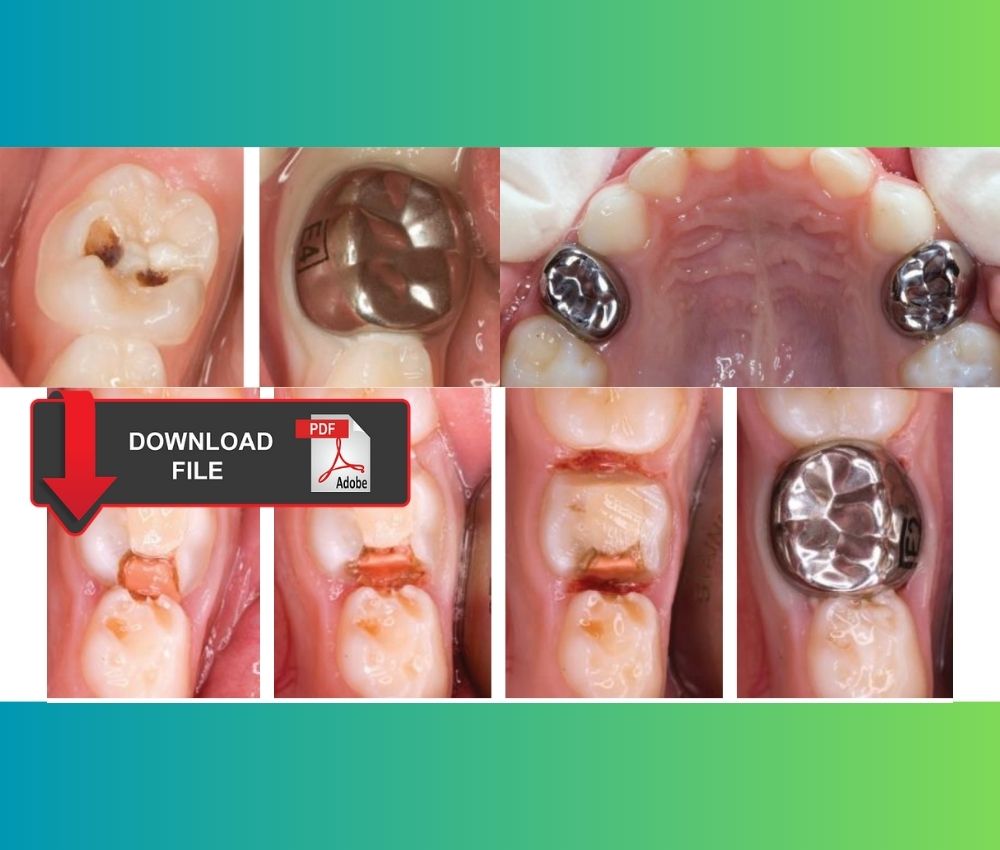
PDF 🔽 Hall Technique Procedure Manual: Advantages, Disadvantages, Step-by-Step Procedure ... The Hall technique is a safe and effective procedure that prevents the advance of dental caries in primary teeth. One of its great advantages is its low cost and little prior preparation.
✅ Main Differences Between the Hall Technique and Conventional Technique
The Hall Technique is a minimally invasive approach in which a preformed metal crown (PMC) is cemented over a carious primary molar without removing carious tissue, preparing the tooth, or administering local anesthesia.
In contrast, the conventional restorative technique generally involves caries removal, cavity preparation, and placement of a direct restorative material, such as composite resin or glass ionomer cement.
When conventional preformed metal crowns are used, tooth reduction and caries management are performed before crown placement.

Comparative clinical characteristics
Clinical Feature Hall Technique Conventional Technique
Caries removal No carious tissue removal Carious tissue removal is performed according to the selected approach
Tooth preparation No tooth reduction Cavity preparation or tooth reduction, depending on restoration
Local anesthesia Usually unnecessary May be required, depending on the procedure
Restorative material Preformed metal crown (PMC) Composite resin, glass ionomer cement, or preformed metal crown
Treatment duration Generally shorter Generally longer
Pulpal management Does not involve pulp therapy May include pulp therapy when clinically indicated
Tooth structure Preserves existing tooth structure Some tooth structure may be removed
Caries management Seals the carious lesion beneath the crown Manages carious tissue and restores the cavity
Patient cooperation Often better tolerated by young or anxious children May require greater cooperation, depending on the procedure
Note: The comparison refers primarily to direct restorations as the conventional alternative. Conventional preformed metal crown placement is a separate comparison, as both techniques use the same type of crown.

📌 Recommended Article :
Video 🔽 Tooth Preparation for Stainless Steel Crown - Step by step ... Steel crowns in pediatric dentistry are used to restore a tooth that has lost a lot of structure due to decay or trauma. Returns the chewing and occlusion functions necessary for the patient's oral health.
✅ Clinical Procedure: How Do They Differ?

1. Hall Technique
The procedure involves:
1. Assessing the primary molar and confirming the absence of signs of irreversible pulpitis or infection.
2. Selecting an appropriately sized preformed metal crown.
3. Applying glass ionomer luting cement inside the crown.
4. Seating the crown over the tooth, allowing it to engage the proximal contacts.
5. Removing excess cement and checking the occlusion.

Key principle: The carious lesion remains beneath the crown, while the restoration creates a durable seal that restricts the supply of nutrients to the cariogenic biofilm.

2. Conventional Restorative Technique
The conventional procedure generally involves:
1. Clinical and radiographic assessment of the affected tooth.
2. Local anesthesia when indicated.
3. Removal of carious tissue according to the selected caries-removal strategy.
4. Cavity preparation and restoration with an appropriate material.
5. Evaluation of marginal integrity and occlusion.

Key principle: The restoration replaces lost tooth structure and provides a seal after the selected caries-removal procedure.

📌 Recommended Article :
Video 🔽 Preparation of stainless steel crown for the rehabilitation of primary molars ... Proper tooth preparation is essential to ensure optimal fit, retention, and long-term success while preserving remaining tooth structure.
✅ Indications and Limitations

1. Hall Technique
Clinical indications:
▪️ Vital primary molars with moderate or advanced dentinal caries.
▪️ Proximal or multisurface lesions.
▪️ Teeth with sufficient remaining structure to retain a preformed metal crown.
▪️ Children in whom conventional operative procedures may be difficult.

Limitations and contraindications:
▪️ Clinical or radiographic evidence of irreversible pulpitis or dental infection.
▪️ Spontaneous or persistent pain suggestive of pulpal disease.
▪️ Periapical or furcation pathology.
▪️ Insufficient tooth structure for crown retention.
▪️ Cases in which the crown cannot be appropriately seated.

2. Conventional Technique
Clinical indications:
▪️ Small or moderate lesions suitable for direct restoration.
▪️ Cavities where adequate isolation and restorative access are achievable.
▪️ Teeth requiring selective caries removal and direct restoration.
▪️ Cases requiring conventional preformed metal crowns or pulp therapy when clinically indicated.

Limitations:
▪️ Greater technical sensitivity for adhesive restorations.
▪️ Potential need for local anesthesia.
▪️ Greater treatment time and cooperation requirements in some cases.
▪️ Direct restorations may have a higher risk of failure in extensive multisurface lesions.

📌 Recommended Article :
PDF 🔽 Modified Hall technique in hypomineralized molar ... Molars with hypomineralized enamel are susceptible to erosion and caries. The rehabilitation of the molars is necessary to avoid early tooth loss, and in this case a steel crown was placed with the modified Hall technique.
✅ Clinical Evidence: Which Technique Has Better Outcomes?
Current evidence generally supports the Hall Technique as an effective treatment option for carious primary molars.
A systematic review and meta-analysis by Hu et al. (2022) found that the Hall Technique was 49% more likely to succeed than the comparison techniques overall. When compared specifically with direct restorations, its likelihood of success was approximately 80% higher. However, outcomes were similar when Hall crowns were compared with conventionally placed preformed metal crowns.
A subsequent systematic review and meta-analysis by Chua et al. (2023) found that both Hall and conventional preformed metal crowns achieved success and survival rates above 85% at 12 and 24 months, without statistically significant differences between the techniques. The Hall Technique required less treatment time and was associated with greater cost-effectiveness and parental acceptability.
More recent evidence from Tedesco et al. (2025) reported a pooled Hall Technique success rate of 98% at 12 months in randomized clinical trials (95% CI: 97–99%). Nevertheless, the authors identified moderate-to-low certainty of evidence across the available studies.

📌 Recommended Article :
Dental Article🔽 Hall Technique vs Pulpotomy: Decision-Making in Deep Caries ... Deep caries management in primary teeth remains a clinical challenge, requiring a balance between biological preservation and long-term success.
💬 Discussion
The main difference between these approaches is their philosophy of caries management. The conventional technique focuses on removing carious tissue and restoring the resulting cavity, whereas the Hall Technique relies on biological management through lesion sealing.
The evidence suggests that the Hall Technique offers advantages in terms of restoration longevity, treatment time, and patient acceptance, particularly for proximal and multisurface lesions.
However, these findings should not be interpreted as evidence that the Hall Technique is universally superior. Its effectiveness depends on appropriate case selection, correct crown placement, and the absence of pulpal pathology.
An additional consideration is the temporary increase in occlusal vertical dimension following crown placement. This generally resolves through occlusal adaptation over time, but clinicians should inform parents about this expected effect.
Importantly, Hall Technique and conventional preformed metal crowns should not be considered equivalent to Hall Technique versus direct restorations. Evidence comparing these two crown-placement approaches indicates similar clinical success.

✍️ Conclusion
The Hall Technique represents an effective minimally invasive alternative for managing carious primary molars, particularly when lesions involve multiple surfaces and the pulp remains clinically healthy.
Compared with conventional direct restorations, it generally provides better restoration survival and reduces the need for operative intervention. Nevertheless, conventional restorative procedures remain appropriate for smaller lesions and cases in which direct restoration is clinically indicated.
The choice of treatment should be based on pulpal diagnosis, lesion characteristics, tooth restorability, patient cooperation, and expected tooth longevity, rather than on the restorative technique alone.

🎯 Clinical Recommendations
▪️ Prioritize the Hall Technique for appropriately selected vital primary molars with proximal or multisurface dentinal lesions.
▪️ Confirm pulpal health through clinical assessment and appropriate radiographic examination before treatment.
▪️ Ensure adequate crown seating and proximal contact engagement to achieve an effective seal.
▪️ Do not use the Hall Technique when clinical or radiographic findings indicate irreversible pulpitis, necrosis, or infection.
▪️ Maintain regular clinical and radiographic follow-up according to individual caries risk and clinical findings.

📚 References
✔ Hu, S., BaniHani, A., Nevitt, S., Maden, M., Santamaria, R. M., & Albadri, S. (2022). Hall technique for primary teeth: A systematic review and meta-analysis. Japanese Dental Science Review, 58, 286–297. https://doi.org/10.1016/j.jdsr.2022.09.003
✔ Chua, D. R., Tan, B. L., Nazzal, H., Srinivasan, N., Duggal, M. S., & Tong, H. J. (2023). Outcomes of preformed metal crowns placed with the conventional and Hall techniques: A systematic review and meta-analysis. International Journal of Paediatric Dentistry, 33(2), 141–157. https://doi.org/10.1111/ipd.13029
✔ Tedesco, T. K., Innes, N. P., Lopez Gallegos, C., Seabra Silva, G., Gimenez, T., Minatel Braga, M., Pinheiro Araujo, M., Jayaraman, J., Al-Yaseen, W., & Prócida Raggio, D. (2025). Success rate of Hall Technique for restoring carious primary molars: Systematic review and meta-analysis. Evidence-Based Dentistry, 26(1), 65–66. https://doi.org/10.1038/s41432-024-01044-0
✔ Innes, N. P., Evans, D. J. P., & Stirrups, D. R. (2011). Sealing caries in primary molars: Randomized control trial, 5-year results. Journal of Dental Research, 90(12), 1405–1410. https://doi.org/10.1177/0022034511422064

📌 More Recommended Items

► Molar-Incisor Hypomineralization and Enamel Hypoplasia: Updated Clinical Approaches in Pediatric Dentistry
► Stainless Steel Crowns for Kids: When and Why They’re the Best Option
► Why Is the Hall Technique Recommended in Pediatric Dentistry?

lunes, 13 de abril de 2026

Hall Technique vs Pulpotomy: Decision-Making in Deep Caries

Hall Technique - Pulpotomy

Deep caries management in primary teeth remains a clinical challenge, requiring a balance between biological preservation and long-term success.

📌 Recommended Article :
PDF 🔽 Hall technique: Complete information for the treatment of carious primary molars ... The objective of the article is to provide adequate information on the Hall technique, indications, contraindications, disadvantages, and the cost-effectiveness of this procedure.
The Hall Technique and pulpotomy represent two evidence-based approaches with distinct philosophies. This review analyzes indications, clinical outcomes, advantages, and limitations, providing a decision-making framework for clinicians.

Advertisement

✅ Introduction
The management of deep carious lesions in primary teeth has evolved toward minimally invasive dentistry. Traditional approaches such as pulpotomy aim to remove infected pulp tissue, whereas the Hall Technique seals caries without removal.
Understanding the biological basis, patient factors, and clinical indications is essential for optimal outcomes in pediatric patients.

📌 Recommended Article :
Video 🔽 Video: Pulpotomy of Deciduous Molar - Step by step ... With a focus on evidence-based practice, this guide reinforces the importance of conservative pulp therapy for maintaining primary teeth until natural exfoliation, promoting both function and oral health in young patients.
✅ Clinical Approaches for Deep Caries Management

Hall Technique
The Hall Technique involves placement of a preformed metal crown (PMC) over a carious primary molar without caries removal, tooth preparation, or local anesthesia.
▪️ Mechanism: Seals cariogenic biofilm, depriving bacteria of nutrients
▪️ Indications:
₀ Asymptomatic teeth
₀ No signs of irreversible pulpitis or abscess
₀ Cooperative or anxious pediatric patients
▪️ Contraindications:
Pulpal pathology (pain, fistula, radiolucency)

Pulpotomy
Pulpotomy is a vital pulp therapy procedure involving removal of the coronal pulp, preserving radicular pulp vitality.
▪️ Mechanism: Elimination of infected pulp tissue and placement of medicament (e.g., MTA, Biodentine)
▪️ Indications:
₀ Deep caries with reversible pulpitis
₀ No radicular pathology
▪️ Contraindications:
₀ Necrosis or irreversible pulpitis

📌 Recommended Article :
PDF 🔽 Stainless Steel Crowns: Adaptation and installation - Step by step ... Steel crowns are the most used for their easy adaptation, installation and low cost. Currently, the Hall technique is used, which simplifies the procedure for installing metal crowns.
✅ Comparative Clinical Outcomes
▪️ Success rates: Both techniques demonstrate high success rates (>85–90%) in properly selected cases
▪️ Longevity: Hall Technique shows comparable or superior survival due to reduced technique sensitivity
▪️ Patient acceptance: Higher in Hall Technique due to non-invasive nature
▪️ Operator dependency: Higher in pulpotomy, requiring strict asepsis and technique

📌 Recommended Article :
Dental Article 🔽 Pulpotomy vs. Pulpectomy in Primary Teeth: A Contemporary Clinical Guide ... Understanding the clinical indications, long-term outcomes, advantages, and limitations of each technique is essential for optimizing patient care and maintaining primary teeth until exfoliation.
💬 Discussion
The key difference lies in treatment philosophy:

▪️ Hall Technique supports a non-invasive, biofilm control approach
▪️ Pulpotomy follows a surgical intervention model
Recent evidence suggests that sealing caries is as effective as removing it, provided the pulp remains vital. However, accurate diagnosis is critical, as misjudging pulpal status may lead to failure.
Additionally, material selection in pulpotomy (e.g., MTA vs formocresol) significantly influences outcomes, with modern biomaterials showing superior biocompatibility.

📌 Recommended Article :
PDF 🔽 The Hall Technique: Manual for the management of primary molar caries ... The Hall technique is used on primary molars affected by caries, using preformed steel crowns. The effectiveness of this technique is proven, but a careful evaluation by the pediatric dentist is required.
✅ Clinical Decision-Making Framework
Clinicians should consider:

▪️ Pulp status (vital vs inflamed)
▪️ Child behavior and cooperation
▪️ Extent of caries and tooth restorability
▪️ Availability of materials and expertise
The Hall Technique is preferred for asymptomatic cases, while pulpotomy is indicated when pulpal inflammation is evident but reversible.

📌 Recommended Article :
Dental Article 🔽 Partial Pulpotomy in Pediatric Dentistry: Technique, Benefits, and Key Differences ... Partial pulpotomy offers a biologically favorable approach in cases of limited pulp inflammation, especially in traumatic pulp exposures or shallow carious lesions, promoting healing and long-term tooth survival.
✍️ Conclusion
Both Hall Technique and pulpotomy are effective for managing deep caries in primary teeth, but their success depends on case selection and diagnosis. Minimally invasive strategies are increasingly favored, positioning the Hall Technique as a first-line option in suitable cases.

🎯 Recommendations
▪️ Use the Hall Technique in asymptomatic deep caries to preserve pulp vitality
▪️ Reserve pulpotomy for cases with confirmed reversible pulp involvement
▪️ Adopt bioactive materials (MTA, Biodentine) in pulpotomy procedures
▪️ Prioritize accurate diagnosis using clinical and radiographic criteria
▪️ Incorporate minimally invasive dentistry principles into pediatric care

📊 Summary Table: Hall Technique vs Pulpotomy in Deep Caries

Clinical Criteria Hall Technique Pulpotomy
Invasiveness Non-invasive, no caries removal Invasive, requires pulp removal
Pulp Status Requirement Vital, asymptomatic pulp Reversible pulpitis
Anesthesia Usually not required Required
Technique Sensitivity Low High
Patient Acceptance High Moderate
Longevity High survival rates High with proper technique
Main Limitation Not suitable for symptomatic teeth Risk of failure if diagnosis is incorrect


📚 References

✔ Innes, N. P. T., Evans, D. J. P., & Stirrups, D. R. (2007). The Hall Technique: A randomized controlled clinical trial of a novel method of managing carious primary molars in general dental practice. British Dental Journal, 203(11), 1–9. https://doi.org/10.1038/bdj.2007.1110
✔ Innes, N. P. T., Ricketts, D., & Evans, D. J. (2011). Preformed metal crowns for decayed primary molar teeth. Cochrane Database of Systematic Reviews, (12), CD005512. https://doi.org/10.1002/14651858.CD005512.pub3
✔ American Academy of Pediatric Dentistry. (2023). Guideline on pulp therapy for primary and immature permanent teeth. Pediatric Dentistry, 45(6), 384–392.
✔ Holan, G., & Fuks, A. B. (2013). A comparison of pulpotomy using formocresol and ferric sulfate in primary molars: Long-term results. Pediatric Dentistry, 35(2), 129–134.
✔ Cushley, S., Duncan, H. F., Lappin, M. J., Chua, P., Clarke, M., & Elamin, F. (2020). Efficacy of vital pulp therapy in primary teeth: Systematic review and meta-analysis. International Endodontic Journal, 53(10), 1401–1425. https://doi.org/10.1111/iej.13375

📌 More Recommended Items

► Stainless steel crowns: Minimally invasive technique - Benefits and advantages
► Mineral Trioxide Aggregate (MTA) in Pediatric Dentistry: Uses, Benefits, and Clinical Evidence
► What is the best pulp dressing for pulpotomies in primary teeth? - Review

sábado, 7 de febrero de 2026

Why Is the Hall Technique Recommended in Pediatric Dentistry?

Hall Technique

The Hall Technique represents a paradigm shift in the management of carious primary molars using stainless steel crowns (SSCs). Unlike the conventional approach, this method places a preformed crown without caries removal, tooth preparation, or local anesthesia.

📌 Recommended Article :
PDF 🔽 Alternative for the rehabilitation of pediatric patients with early childhood caries ... Rehabilitation in pediatric dentistry is a challenge since the treatment must be immediate to avoid problems in the child's cooperation. There are several methods to rehabilitate and replace prematurely lost teeth.
Its growing adoption is supported by robust clinical evidence demonstrating high success rates, improved child cooperation, and favorable long-term outcomes.

Advertisement

✅ What Is the Hall Technique?
The Hall Technique is a minimally invasive method for placing stainless steel crowns on primary molars affected by caries by sealing the lesion under the crown. By isolating cariogenic bacteria from their nutrient supply, the technique arrests caries progression while maintaining tooth vitality until natural exfoliation.

📌 Recommended Article :
PDF 🔽 Hall technique: Complete information for the treatment of carious primary molars ... Steel crowns are used in pediatric dentistry when primary teeth are severely damaged by dental caries. They are usually placed after pulp treatment and in hypoplastic teeth.
✅ Advantages of the Hall Technique

▪️ Minimally invasive approach with no drilling or anesthesia
▪️ High clinical success and survival rates
▪️ Excellent patient acceptance, especially in anxious or very young children
▪️ Reduced chair time and fewer appointments
▪️ Lower risk of pulpal exposure compared with conventional preparation
▪️ Supported by strong scientific evidence and international guidelines

📌 Recommended Article :
PDF/Video 🔽 Zirconia crowns in pediatric dentistry: Clinical considerations and step-by-step procedure ... Learn about the indications and contraindications of zirconia crowns in pediatric dentistry, in addition to the clinical considerations and protocol for successful implementation of the crowns.
✅ Disadvantages and Limitations

▪️ Temporary occlusal vertical dimension increase, usually self-correcting within weeks
▪️ Esthetic limitations due to metallic appearance
▪️ Not indicated in teeth with irreversible pulpitis, abscesses, or pathological mobility
▪️ Requires careful case selection and radiographic assessment

📌 Recommended Article :
PDF 🔽 Indications for Hall technique usage in pediatric dentistry ... The Hall technique is a minimally invasive technique that controls the progression of caries, making it a much simpler procedure with less preparation.
✅ Hall Technique vs. Conventional Technique
Compared with the conventional technique—which involves caries removal, tooth reduction, and local anesthesia—the Hall Technique demonstrates equal or superior outcomes in terms of pain control, longevity, and pulpal health. Conventional methods remain appropriate in cases requiring pulp therapy or where crown retention cannot be achieved without preparation.

📊 Comparative Table: Hall Technique Step-by-Step Protocol

Clinical Step Purpose Clinical Considerations
Case selection and radiographic assessment Confirm tooth vitality and absence of pulpal pathology Contraindicated if signs of irreversible pulpitis are present
Orthodontic separator placement (if needed) Create interproximal space for crown seating Usually required for tight contacts; placed 3–5 days before
Crown size selection Ensure proper marginal seal and retention Crown should snap into place without force
Cementation with glass ionomer cement Seal carious lesion and retain the crown Moisture control is essential for optimal bonding
Occlusal adjustment and follow-up Monitor occlusal adaptation and comfort Occlusion usually normalizes within weeks
💬 Discussion
The Hall Technique challenges traditional restorative principles by demonstrating that complete caries removal is not always necessary to achieve disease control. Its success underscores the biological principle that caries is a biofilm-mediated process, effectively managed through sealing rather than excavation. Multiple randomized controlled trials confirm its superiority over conventional restorations in primary molars.

📌 Recommended Article :
Video 🔽 Stainless Steel Crowns: Adaptation and installation - Step by step ... Steel crowns are the most used for their easy adaptation, installation and low cost. Currently, the Hall technique is used, which simplifies the procedure for installing metal crowns.
🎯 Clinical Recommendations
▪️ Use the Hall Technique as a first-line option for asymptomatic carious primary molars
▪️ Perform thorough clinical and radiographic evaluation before indication
▪️ Educate parents about temporary occlusal changes and esthetic aspects
▪️ Maintain regular follow-up to monitor crown integrity and exfoliation timing

✍️ Conclusion
The Hall Technique is a scientifically validated, child-friendly, and clinically effective method for managing carious primary molars with stainless steel crowns. When appropriately indicated, it offers superior outcomes compared with conventional techniques, aligning with modern principles of minimally invasive pediatric dentistry.

📚 References

✔ Innes, N. P. T., Evans, D. J. P., & Stirrups, D. R. (2007). The Hall Technique: A randomized controlled clinical trial of a novel method of managing carious primary molars in general dental practice. British Dental Journal, 202(7), 395–400. https://doi.org/10.1038/bdj.2007.316
✔ Innes, N. P. T., Ricketts, D., Chong, L. Y., Keightley, A. J., Lamont, T., & Santamaria, R. M. (2015). Preformed crowns for decayed primary molar teeth. Cochrane Database of Systematic Reviews, (12), CD005512. https://doi.org/10.1002/14651858.CD005512.pub3
✔ Scottish Dental Clinical Effectiveness Programme (SDCEP). (2018). Prevention and Management of Dental Caries in Children. Dundee, UK.
✔ American Academy of Pediatric Dentistry. (2023). Guideline on Restorative Dentistry. Pediatric Dentistry, 45(6), 343–357.

📌 More Recommended Items

► Hall Technique vs Conventional Stainless Steel Crowns in Pediatric Dentistry: Effectiveness, Pros and Cons
► Stainless Steel Crowns for Kids: When and Why They’re the Best Option
► Why do stainless steel crowns fail?

miércoles, 3 de diciembre de 2025

Minimally Invasive Pediatric Dentistry: Hall Technique, SMART, and ART — A Clinical Guide for Parents and Practitioners

Hall Technique - SMART - ART

Minimally invasive pediatric dentistry (MIPD) focuses on preserving tooth structure, controlling caries progression, and reducing discomfort during treatment.

📌 Recommended Article :
PDF 🔽 Hall technique: Complete information for the treatment of carious primary molars ... The objective of the article is to provide adequate information on the Hall technique, indications, contraindications, disadvantages, and the cost-effectiveness of this procedure.
Modern approaches such as the Hall Technique, SMART, and ART offer evidence-based alternatives that avoid drilling, reduce fear, and improve cooperation in young patients.

Advertisement

✅ Definition of Minimally Invasive Pediatric Dentistry
MIPD refers to a philosophy and set of techniques that aim to manage dental caries while minimizing removal of healthy tooth structure. These methods emphasize biological caries control, behavioral comfort, and long-term tooth preservation, especially for children with anxiety, special needs, or limited access to conventional care.

1. Hall Technique

➤ Definition
The Hall Technique involves sealing carious primary molars under preformed stainless steel crowns without caries removal, anesthesia, or tooth preparation (Innes et al., 2015).

➤ Benefits and Advantages
▪️ Exceptional long-term success rates for caries arrest
▪️ No need for drilling or anesthesia
▪️ Improved acceptance by anxious or very young children
▪️ Reduced chair time and procedure stress
▪️ Biological sealing of the lesion to stop progression

📌 Recommended Article :
PDF 🔽 Alternative for the rehabilitation of pediatric patients with early childhood caries ... Rehabilitation in pediatric dentistry is a challenge since the treatment must be immediate to avoid problems in the child's cooperation. There are several methods to rehabilitate and replace prematurely lost teeth.
2. SMART (Silver-Modified Atraumatic Restorative Treatment)

➤ Definition
SMART combines silver diamine fluoride (SDF) application with glass ionomer cement (GIC) to arrest and restore cavitated lesions (Crystal & Niederman, 2019).

➤ Benefits and Advantages
▪️ Highly effective caries arrest using SDF
▪️ GIC restores form and function while releasing fluoride
▪️ No drilling required
▪️ Ideal for young, uncooperative, or special-needs children
▪️ Cost-effective and easy to apply in community or school programs

📌 Recommended Article :
Dental Article 🔽 SMART Technique in Pediatric Dentistry: Caries Management in Children ... It combines the application of 38% silver diamine fluoride (SDF) with atraumatic restorative treatment (ART), offering effective caries control in children without the need for anesthesia or extensive drilling.
3. ART (Atraumatic Restorative Treatment)

➤ Definition
ART uses hand instruments only, removing soft caries and restoring with high-viscosity glass ionomer cement (Frencken et al., 2012).

➤ Benefits and Advantages
▪️ Avoids rotary instruments—no noise, vibration, or anesthesia
▪️ Clinically proven success in primary teeth
▪️ Fluoride release from GIC supports ongoing remineralization
▪️ Can be delivered in rural or low-resource settings
▪️ Patient-friendly and minimally invasive

📌 Recommended Article :
Dental Article 🔽 Chemical Caries Removal: Drill-Free Technique, Materials, and Clinical Application ... This approach reduces pain, anxiety, and the need for local anesthesia, making it ideal for pediatric, geriatric, and anxious patients.
💬 Discussion
The Hall Technique, SMART, and ART align with global recommendations for minimally invasive care, particularly the “short, simple, and stress-free” approach recommended by the AAPD and WHO. While each technique has distinct indications, all prioritize child comfort, preservation of tooth structure, and biological control of caries.
Limitations do exist—such as aesthetic concerns with SDF staining and case selection requirements—but the benefits overwhelmingly support their use as first-line strategies for managing early and moderate caries in primary teeth.

📌 Recommended Article :
Dental Article 🔽 Rampant Caries vs Early Childhood Caries (ECC): Clinical and Preventive Insights ... Rampant caries and Early Childhood Caries (ECC) represent two aggressive patterns of dental decay observed in pediatric patients. This article analyzes their etiology, clinical presentation, prevention, and treatment strategies based on the latest scientific evidence.
✍️ Conclusion
Minimally invasive pediatric dentistry provides effective, child-centered options for managing caries without drilling or anesthesia. The Hall Technique, SMART, and ART have demonstrated high success rates, making them essential tools in modern pediatric practice. When properly selected and applied, these methods support long-term oral health while reducing anxiety and improving cooperation in young patients.

🔎 Recommendations
▪️ Evaluate caries stage and tooth condition to choose the appropriate minimally invasive technique.
▪️ Discuss the biological approach and advantages with parents to increase acceptance.
▪️ Use SMART when arresting cavitated lesions is necessary but restoration is also desired.
▪️ Apply ART in community programs, rural settings, or for children who cannot tolerate rotary instruments.
▪️ Monitor treated lesions periodically to confirm caries arrest and crown integrity.

📚 References

✔ Crystal, Y. O., & Niederman, R. (2019). Evidence-based dentistry update on silver diamine fluoride. Dental Clinics of North America, 63(1), 45–68. https://doi.org/10.1016/j.cden.2018.08.011
✔ Frencken, J. E., Peters, M. C., Manton, D. J., Leal, S. C., Gordan, V. V., & Eden, E. (2012). Minimal intervention dentistry for managing dental caries – A review. International Dental Journal, 62(5), 223–243. https://doi.org/10.1111/idj.12007
✔ Innes, N. P., Ricketts, D., & Evans, D. J. (2015). Sealing caries in primary molars: The Hall Technique. Journal of Dentistry, 43(5), 506–515. https://doi.org/10.1016/j.jdent.2015.02.007
✔ American Academy of Pediatric Dentistry. (2023). Guideline on minimally invasive dentistry. https://www.aapd.org
✔ World Health Organization. (2022). Oral health guidelines for minimally invasive care. https://www.who.int

📌 More Recommended Items

► Hall Technique vs Conventional Stainless Steel Crowns in Pediatric Dentistry: Effectiveness, Pros and Cons
► Zirconia crowns in pediatric dentistry: Clinical considerations and step-by-step procedure
► How Do Sodas Affect Your Teeth? Understanding the Hidden Dental Risks

lunes, 18 de agosto de 2025

Hall Technique vs Conventional Stainless Steel Crowns in Pediatric Dentistry: Effectiveness, Pros and Cons

Maxillary Orthopedics - Interceptive Orthodontics

Stainless steel crowns (SSC) are the gold standard for restoring extensively carious primary molars. The conventional technique requires caries removal, anesthesia, and tooth preparation.

📌 Recommended Article :
PDF 🔽 Hall technique: Complete information for the treatment of carious primary molars ... The objective of the article is to provide adequate information on the Hall technique, indications, contraindications, disadvantages, and the cost-effectiveness of this procedure.
In contrast, the Hall Technique seals caries under a preformed metal crown without local anesthesia, tooth preparation, or caries removal, aligning with the principles of minimally invasive dentistry.

Advertisement

✅ Advantages and Disadvantages

1. Hall Technique
➤ Advantages
° High success rates (~94–97% at medium-term follow-up).
° No anesthesia, drilling, or caries removal, reducing anxiety in pediatric patients.
° Shorter chair time (4–5 minutes vs ~28 minutes for conventional SSCs).
° Well accepted by children and parents.
° Spontaneous occlusal adjustment within weeks.
➤ Disadvantages
° Initial occlusal vertical dimension increase (resolves in 2–30 days).
° Not suitable in advanced pulpal involvement or extensive root resorption.
° Aesthetic limitations (visible metal).
° Requires orthodontic separators in tight contacts, which may cause discomfort.

📌 Recommended Article :
Video 🔽 Stainless Steel Crowns: Adaptation and installation - Step by step ... The video that we share teaches us everything related to steel crowns, advantages, disadvantages, and how to select the appropriate crown.
2. Conventional Stainless Steel Crowns (SSC)
➤ Advantages
° Long clinical track record, widely taught in dental curricula.
° Effective in a broad range of clinical cases.
➤ Disadvantages
° Invasive: requires anesthesia, tooth preparation, and caries removal.
° More time-consuming (~28 minutes per case).
° Patient discomfort and possible trauma.
° Comparable survival to Hall but requires more resources

📌 Recommended Article :
PDF 🔽 Modified Hall technique in hypomineralized molar ... We share the management of severely hypomineralized molars using the modified Hall technique, indicating its advantages, objectives and the step-by-step process.
💬 Discussion
The Hall Technique demonstrates comparable or superior survival rates to conventional SSCs in primary molars, with additional benefits of reduced chair time, less invasiveness, and higher patient acceptance. Although initial occlusal changes and esthetics remain challenges, evidence shows these issues resolve or are clinically acceptable. The Hall Technique is especially valuable in anxious children, special needs patients, or resource-limited settings.

✍️Conclusion
Both Hall and conventional SSC techniques are effective for managing extensively carious primary molars. However, the Hall Technique offers a minimally invasive, patient-friendly alternative with high success rates and reduced treatment burden. Proper case selection remains essential to ensure long-term success.

📌 Recommended Article :
PDF 🔽 The Hall Technique: Manual for the management of primary molar caries ... We share a manual on the evaluation, application and procedure of the Hall Technique in primary molars affected by caries.
📚 References

✔ Altoukhi, D. H., & El-Housseiny, A. A. (2020). Hall technique for carious primary molars: A review of the literature. Dentistry Journal, 8(2), 35. https://doi.org/10.3390/dj8020035

✔ Innes, N. P. T., Ricketts, D., Chong, L. Y., Keightley, A. J., Lamont, T., & Santamaria, R. M. (2019). Preformed crowns for decayed primary molar teeth. Cochrane Database of Systematic Reviews, 2019(5), CD005512. https://doi.org/10.1002/14651858.CD005512.pub3

✔ Ludwig, K. H., Fontana, M., Vinson, L. A., Platt, J. A., & Dean, J. A. (2014). The success of stainless steel crowns placed with the Hall technique. Journal of the American Dental Association, 145(12), 1248–1253. https://doi.org/10.14219/jada.2014.95

✔ Elamin, F., Abdelazeem, N., & Honkala, E. (2019). Comparison of Hall technique and conventional stainless steel crown techniques for primary molars: A randomized controlled trial. European Archives of Paediatric Dentistry, 20(5), 467–474. https://doi.org/10.1007/s40368-019-00421-3

✔ Ayedun, O. S., Folayan, M. O., & Oyedele, T. A. (2021). Comparison of the treatment outcomes of the Hall technique and conventional stainless steel crown technique. Nigerian Journal of Clinical Practice, 24(4), 548–554. https://doi.org/10.4103/njcp.njcp_507_19

✔ Badar, S. B., Tabassum, S., & Khan, F. R. (2019). Effectiveness of Hall technique for carious primary molars: A meta-analysis. International Journal of Clinical Pediatric Dentistry, 12(2), 132–138. https://doi.org/10.5005/jp-journals-10005-1622

✔ Hu, S. (2022). Hall technique for managing carious primary molars: A systematic review. Journal of Stomatology, Oral and Maxillofacial Surgery, 123(6), 581–588. https://doi.org/10.1016/j.jormas.2022.01.003

Herkar, P. P., Karkera, R., & Thomas, A. (2022). A comparative study of stress distribution in primary molars restored with Hall and conventional SSC techniques using finite element analysis. Journal of Pediatric Dentistry, 40(3), 205–212. https://doi.org/10.4103/jpd.jpd_25_22

✔ MedRxiv. (2025, May 19). Comparative survival of Hall vs conventional preformed metal crowns in primary molars. MedRxiv. https://doi.org/10.1101/2025.05.18.25327863

📌 More Recommended Items

► Hall Technique for Stainless Steel Crown in 3 easy steps
► Hall Technique Procedure Manual: Advantages, Disadvantages, Step-by-Step Procedure
► Indications for Hall technique usage in pediatric dentistry

domingo, 16 de abril de 2023

Hall Technique Procedure Manual: Advantages, Disadvantages, Step-by-Step Procedure

Hall Technique

Caries is an infectious, multifactorial and most prevalent disease that affects the dental surface of the primary and permanent dentition. It is important to rehabilitate the affected teeth to avoid serious consequences in the development of the dentition.

📌 Recommended Article :
Article PDF 🔽 Hall technique: Complete information for the treatment of carious primary molars ... Steel crowns are used in pediatric dentistry when primary teeth are severely damaged by dental caries. They are usually placed after pulp treatment and in hypoplastic teeth.

The Hall technique is a safe and effective procedure that prevents the advance of dental caries in primary teeth. One of its great advantages is its low cost and little prior preparation.

Advertisement

We share a manual on the Hall technique, detailing step by step its preparation and the justification for its use in controlling dental caries in primary dentition.

📌 Read and download the article in PDF : Hall Technique Procedure Manual: Advantages, Disadvantages, Step-by-Step Procedure


The Hall Technique A minimal intervention, child centred approach to managing the carious primary molar. Text copyright Nicola Innes, Dafydd Evans, Matthew Stewart, Alex Keightley. University of Dundee. Edition 4: 01.07.15

📌 More Recommended Items

► Stainless Steel Crowns: Adaptation and installation - Step by step
► Hall Technique for Stainless Steel Crown in 3 easy steps
► Modified Hall technique in hypomineralized molar

viernes, 31 de marzo de 2023

Hall Technique: Step-by-step crown placement technique

oral-pathology

The Hall technique presents several advantages when it comes to the rehabilitation of primary molars that have been affected by extensive caries or fractures. The main advantage is that this technique is minimally invasive.

📌 Recommended Article:
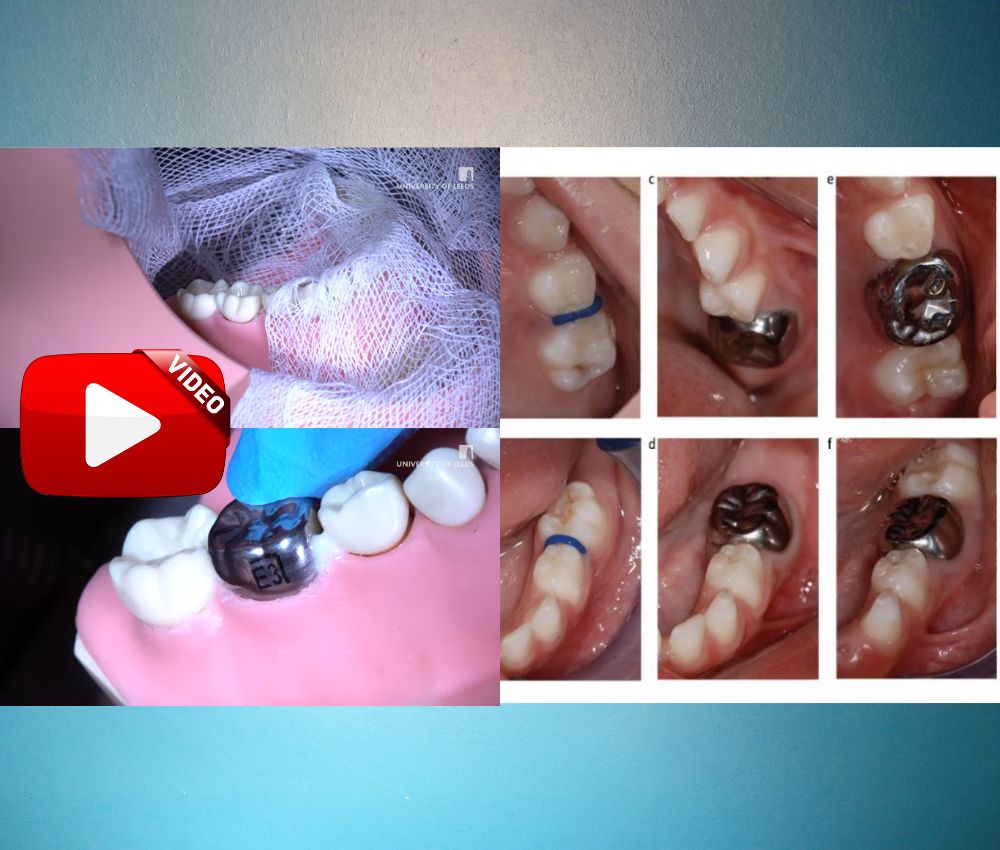
Watch the video 🔽 Stainless Steel Crowns: Adaptation and installation - Step by step ... Steel crowns are the most used for their easy adaptation, installation and low cost. Currently, the Hall technique is used, which simplifies the procedure for installing metal crowns.

Unlike the traditional technique, the Hall technique does not require anesthesia or cavity preparation. This makes the pediatric patient reduce anxiety and stress.

Advertisement

We share a video that teaches us the Hall technique and the step-by-step procedure for placing the crown in the dental office.

📌 More recommended items

► Hall Technique for Stainless Steel Crown in 3 easy steps
► The Hall Technique: Manual for the management of primary molar caries
► Modified Hall technique in hypomineralized molar

📌 Watch the video "Dental Hall Crown Placement Technique"


Youtube/ Leeds School of Dentistry