Mostrando entradas con la etiqueta Brackets. Mostrar todas las entradas

domingo, 12 de julio de 2026

Hybrid Orthodontic Treatment (Brackets + Aligners): Complete Patient Guide

Hybrid Orthodontic Treatment

Hybrid orthodontic treatment combines traditional braces and clear aligners during different stages of the same orthodontic treatment.

📌 Recommended Article :
Dental Article 🔽 Roth vs MBT Brackets: Key Differences Explained ... Among the most widely used systems worldwide, Roth and MBT brackets are trusted by orthodontists for correcting bite problems and aligning teeth.
Instead of relying on only one appliance, the orthodontist selects the most effective option for each phase, helping improve efficiency, comfort, and esthetics.

Advertisement

This approach has become increasingly popular because it allows patients to benefit from the strength of braces for complex tooth movements while enjoying the comfort and appearance of clear aligners during finishing or retention stages.

🔰 What Is Hybrid Orthodontic Treatment?
A hybrid orthodontic treatment uses both fixed braces and clear aligners in a planned sequence.

For example:
▪️ Braces first, aligners later: Braces correct major crowding, rotations, or bite problems. Aligners then refine tooth positions and improve esthetics.
▪️ Aligners first, braces later: Aligners create initial space or correct mild movements before braces complete more difficult corrections.
The treatment sequence depends entirely on the patient's clinical needs.

📌 Recommended Article :
Dental Article 🔽 What Is the 4x2 Orthodontic Technique and When Is It Indicated? ... This approach is particularly valuable for managing anterior dental discrepancies during growth, reducing the severity of future orthodontic problems and improving occlusal development.
🔰 How Does It Work?
A typical treatment follows these steps:

1. Comprehensive examination with digital scans, photographs, and X-rays.
2. Personalized treatment planning to determine when braces or aligners will be used.
3. Initial correction using the appliance best suited for complex movements.
4. Transition phase between appliances.
5. Final refinement to improve alignment, bite, and smile appearance.
6. Retention using retainers to maintain results.

📌 Recommended Article :
PDF 🔽 Clear Aligners for Early Treatment of Anterior Crossbite - Indications and Benefits ... The detection and treatment of the anterior crossbite must be at an early age, in this way we stop the factors that trigger this malocclusion and avoid abnormal growth of the jaws.
🔰 Benefits of Hybrid Orthodontic Treatment

Greater treatment flexibility
Each appliance is used when it performs best.

Improved esthetics
Patients often wear clear aligners during the final stages when appearance matters most.

Better comfort
Aligners generally reduce irritation compared with brackets and wires.

More precise finishing
Small tooth adjustments can often be achieved efficiently with aligners.

Potentially shorter treatment time
When carefully planned, combining appliances may improve treatment efficiency.

📌 Recommended Article :
Dental Article 🔽 How to Prevent Dry Socket After Tooth Extraction: Signs, Prevention, and Treatment Guide ... Preventing dry socket is a key responsibility shared by both dental professionals and patients, involving proper surgical technique, patient education, and targeted pharmacological management.
🔰 Possible Limitations
Although highly effective, hybrid treatment is not ideal for everyone.

Potential disadvantages include:
▪️ Higher treatment cost
▪️ Need for excellent patient cooperation when wearing aligners
▪️ Additional appointments during appliance transition
▪️ Temporary adaptation to different orthodontic appliances

📌 Recommended Article :
Dental Article 🔽 Orthodontic Retainers: How Long Should They Be Worn? ... This article reviews current scientific evidence regarding the recommended duration of retainer wear, the biological rationale for long-term retention, and the advantages and limitations of different retainer designs.
🔰 Who Is a Good Candidate?
Hybrid orthodontic treatment may be appropriate for patients with:

▪️ Moderate to severe crowding
▪️ Complex bite problems
▪️ Rotated teeth
▪️ Patients who want a more esthetic finishing phase
▪️ Individuals seeking a balance between effectiveness and appearance
Only an orthodontist can determine whether this approach is appropriate after a complete clinical evaluation.

🔰 Braces vs Aligners in Hybrid Treatment
Feature Braces Clear Aligners
Complex tooth movement Excellent Good for selected cases
Esthetics Moderate Excellent
Removability No Yes
Patient cooperation required Lower Higher
Oral hygiene More challenging Easier when removed
Comfort Moderate Usually higher
💬 Discussion
Recent advances in digital orthodontics, including 3D treatment planning, intraoral scanners, and improved aligner materials, have made hybrid orthodontic treatment more predictable than ever.
Scientific evidence suggests that combining different orthodontic appliances can improve treatment efficiency in selected patients. However, success depends on accurate diagnosis, careful treatment planning, and patient compliance, especially during the aligner phase.
Hybrid treatment should not be viewed as a replacement for braces or aligners alone, but rather as a personalized strategy that uses each appliance where it performs best.

🎯 Recommendations
▪️ Consult a qualified orthodontist before choosing any orthodontic treatment.
▪️ Wear aligners for the recommended number of hours each day to achieve planned tooth movements.
▪️ Maintain excellent oral hygiene throughout treatment.
▪️ Attend scheduled follow-up appointments to monitor progress.
▪️ Wear retainers exactly as instructed after treatment to reduce relapse.

✍️ Conclusion
Hybrid orthodontic treatment offers an effective combination of traditional braces and clear aligners, allowing orthodontists to customize treatment according to each patient's needs. By taking advantage of the strengths of both appliances, many patients can achieve excellent functional and esthetic results with greater flexibility and comfort. A personalized treatment plan and good patient cooperation remain the keys to long-term success.

📚 References

✔ American Association of Orthodontists. (2023). Clinical Practice Guidelines and Patient Resources. https://aaoinfo.org
✔ Ke, Y., Zhu, Y., & Zhu, M. (2019). A comparison of treatment effectiveness between clear aligner and fixed appliance therapies. BMC Oral Health, 19(1), 24. https://doi.org/10.1186/s12903-018-0695-z
✔ Papadimitriou, A., Mousoulea, S., Gkantidis, N., & Kloukos, D. (2018). Clinical effectiveness of Invisalign® orthodontic treatment: A systematic review. Progress in Orthodontics, 19(1), 37. https://doi.org/10.1186/s40510-018-0235-z
✔ Rossini, G., Parrini, S., Castroflorio, T., Deregibus, A., & Debernardi, C. L. (2015). Efficacy of clear aligners in controlling orthodontic tooth movement: A systematic review. The Angle Orthodontist, 85(5), 881–889. https://doi.org/10.2319/061614-436.1
✔ Weir, T. (2017). Clear aligners in orthodontic treatment. Australian Dental Journal, 62(Suppl. 1), 58–62. https://doi.org/10.1111/adj.12480

📌 More Recommended Items

What Is the Laceback Technique in Orthodontics?
Premolar Extractions in Orthodontics: Are They Really Necessary?
Herbst Appliance vs Twin Block: Key Differences

jueves, 9 de julio de 2026

Roth Orthodontic Prescription: Complete Clinical Guide

Roth Orthodontic

The Roth orthodontic prescription is a standardized bracket system developed by Dr. Ronald H. Roth to improve treatment efficiency and produce more stable functional and esthetic outcomes.

📌 Recommended Article :
Dental Article 🔽 Roth vs MBT Brackets: Key Differences Explained ... While both are based on the Straight Wire Appliance concept, they differ in their built-in tooth positions, treatment philosophy, and biomechanics.
It is based on the original Andrews Straight-Wire Appliance concept but includes modifications in torque, tip, and in-out values to better control tooth position throughout treatment.

Advertisement

The main goal of the Roth prescription is to help orthodontists achieve an ideal bite (occlusion) while reducing the need for excessive wire bending or bracket repositioning.

How Does the Roth Prescription Work?
Each orthodontic bracket contains built-in information that guides tooth movement in three dimensions.

The prescription incorporates:
▪️ Torque: Controls the inclination of the tooth root.
▪️ Tip (Angulation): Determines the mesiodistal tilt of each tooth.
▪️ In-Out: Controls the prominence of each tooth relative to the dental arch.
When combined with appropriate archwire sequences and proper bracket placement, these built-in values allow teeth to move toward their planned final positions.

Key Characteristics of the Roth Prescription
Feature Clinical Importance
Built-in torque values Improves root positioning and enhances anterior esthetics.
Specific tip values Promotes proper tooth angulation and better intercuspation.
Functional occlusion philosophy Aims to achieve a balanced, stable, and functional bite after treatment.
Straight-wire design Minimizes the need for complex wire bending during treatment.
Wide compatibility Available in metal, ceramic, and self-ligating bracket systems.
Clinical Goals of the Roth Prescription
The Roth philosophy emphasizes obtaining:

▪️ Class I canine and molar relationships
▪️ Proper overbite and overjet
▪️ Functional anterior guidance
▪️ Stable posterior occlusion
▪️ Balanced facial esthetics
▪️ Long-term treatment stability
Rather than focusing only on straight teeth, the system also aims for healthy jaw function.

📌 Recommended Article :
Dental Article 🔽 MBT vs Roth vs Edgewise Brackets: Key Differences in Orthodontic Prescriptions ... These prescriptions differ primarily in the amount of built-in torque, tip, and in-out values, which directly affect tooth positioning and treatment mechanics.
Advantages of the Roth Prescription
Some of the main benefits include:

▪️ Predictable tooth positioning
▪️ Excellent control of root torque
▪️ Reduced need for finishing bends
▪️ Efficient biomechanics
▪️ Good compatibility with conventional and self-ligating systems
▪️ Widely taught and clinically validated
▪️ Suitable for a broad range of malocclusions

📌 Recommended Article :
Dental Article 🔽 Orthodontic Retainers: How Long Should They Be Worn? ... This article reviews current scientific evidence regarding the recommended duration of retainer wear, the biological rationale for long-term retention, and the advantages and limitations of different retainer designs.
Limitations
Although highly effective, the Roth prescription also has limitations.

▪️ Treatment success still depends on accurate bracket placement.
▪️ Individual anatomical variations may require bracket repositioning or finishing bends.
▪️ Not every patient fits one standardized prescription.
▪️ Proper diagnosis and treatment planning remain essential.

📌 Recommended Article :
Dental Article 🔽 Best Age for Braces: A Complete Guide for Parents and Adults ... Many people wonder: What is the best age for braces? The answer depends on individual dental development rather than age alone.
Common Clinical Indications
The Roth prescription is commonly used for:

▪️ Class I malocclusion
▪️ Class II correction
▪️ Class III compensation
▪️ Extraction and non-extraction treatments
▪️ Comprehensive fixed orthodontic therapy
▪️ Adult orthodontic treatment
▪️ Adolescent orthodontic treatment

📌 Recommended Article :
Dental Article 🔽 Premolar Extractions in Orthodontics: Are They Really Necessary? ... This article reviews the role of premolar extractions in modern orthodontics, examines the origins of extraction controversies, and evaluates whether the anti-extraction movement is based on robust scientific data or clinical misconceptions.
Clinical Tips
For optimal outcomes:

▪️ Place brackets accurately.
▪️ Follow the recommended archwire sequence.
▪️ Monitor torque expression during rectangular wire stages.
▪️ Evaluate occlusion continuously throughout treatment.
▪️ Do not rely solely on the prescription—individualize treatment when necessary.

📌 Recommended Article :
Dental Article 🔽 What Is the Laceback Technique in Orthodontics? ... The laceback technique involves placing a thin stainless steel ligature wire from the molar tube to the bracket of the canine tooth. The wire is tied with light tension to guide tooth movement in a controlled manner.
💬 Discussion
The Roth orthodontic prescription remains one of the most influential bracket prescriptions in modern orthodontics. Although newer systems have been introduced, Roth continues to be widely used because it combines predictable biomechanics, functional occlusion, and long-term stability.
Current evidence indicates that no bracket prescription alone guarantees superior outcomes. Treatment quality depends primarily on accurate diagnosis, careful bracket positioning, appropriate biomechanics, and clinician expertise. Therefore, the Roth prescription should be viewed as a valuable clinical tool rather than a substitute for sound orthodontic planning.

🎯 Recommendations
▪️ Choose the prescription based on the patient's diagnosis, not personal preference alone.
▪️ Ensure precise bracket positioning to maximize built-in prescription values.
▪️ Use appropriate rectangular archwires to fully express torque.
▪️ Regularly evaluate occlusion and root position during finishing.
▪️ Continue professional training to optimize biomechanics and treatment efficiency.

✍️ Conclusion
The Roth orthodontic prescription is a proven and reliable straight-wire system designed to achieve efficient tooth movement, functional occlusion, and stable treatment results. Its built-in torque and angulation values simplify orthodontic mechanics while allowing excellent control of tooth positioning. Although highly effective, its success ultimately depends on accurate diagnosis, proper bracket placement, and individualized treatment planning.

📚 References

✔ Andrews, L. F. (1976). The straight-wire appliance: Origin, controversy, commentary. Journal of Clinical Orthodontics, 10(2), 99–114.
✔ Graber, L. W., Vanarsdall, R. L., Vig, K. W. L., & Huang, G. J. (2023). Orthodontics: Current Principles and Techniques (7th ed.). Elsevier.
✔ Proffit, W. R., Fields, H. W., Larson, B., & Sarver, D. M. (2019). Contemporary Orthodontics (6th ed.). Elsevier.
✔ Roth, R. H. (1981). The straight-wire appliance 17 years later. Journal of Clinical Orthodontics, 15(9), 632–642.
✔ Roth, R. H. (1981). Functional occlusion for the orthodontist. Part I. Journal of Clinical Orthodontics, 15(1), 32–40.
✔ Roth, R. H. (1981). Functional occlusion for the orthodontist. Part II. Journal of Clinical Orthodontics, 15(2), 100–123.

📌 More Recommended Items

What Is Interproximal Reduction (Dental Stripping)? Benefits, Risks, and Uses
Gum Problems with Braces: Causes and Treatments
Clinical Case: Pseudo class III treatment in 2-year-old children

miércoles, 8 de julio de 2026

Roth vs MBT Brackets: Key Differences Explained

Roth vs MBT Brackets

Choosing the right orthodontic bracket prescription is an important part of treatment planning. Among the most widely used systems worldwide, Roth and MBT brackets are trusted by orthodontists for correcting bite problems and aligning teeth.

📌 Recommended Article :
Dental Article 🔽 Best Age for Braces: A Complete Guide for Parents and Adults ... Braces work by gradually moving teeth into healthier positions. Starting treatment at the right time can improve results, reduce treatment complexity, and help prevent future dental problems.
While both are based on the Straight Wire Appliance concept, they differ in their built-in tooth positions, treatment philosophy, and biomechanics.

Advertisement

Understanding these differences helps patients, students, and dental professionals better appreciate how orthodontic treatment is planned.

What Is an Orthodontic Bracket Prescription?
A bracket prescription refers to the specific values built into orthodontic brackets that guide tooth movement.

These built-in features include:
▪️ Torque (the forward or backward inclination of the tooth root)
▪️ Tip (the angle of the tooth crown)
▪️ In-out (the thickness of the bracket that helps position teeth correctly)
These values reduce the need for excessive wire bending and improve treatment efficiency.

📌 Recommended Article :
Dental Article 🔽 What Is the Laceback Technique in Orthodontics? ... The laceback technique involves placing a thin stainless steel ligature wire from the molar tube to the bracket of the canine tooth. The wire is tied with light tension to guide tooth movement in a controlled manner.
What Are Roth Brackets?
The Roth prescription, developed by Dr. Ronald H. Roth, modified the original Straight Wire Appliance introduced by Dr. Lawrence Andrews.

Its philosophy emphasizes:
▪️ Functional occlusion
▪️ Stable long-term results
▪️ Careful finishing of tooth position
▪️ Proper relationship between teeth, muscles, and jaw joints
Roth brackets have been widely used for decades and remain one of the most commonly used orthodontic prescriptions worldwide.

📌 Recommended Article :
Dental Article 🔽 4x2 Technique vs 2x4 Technique: Are They the Same? ... The 4x2 technique and the 2x4 technique are widely used fixed orthodontic approaches in interceptive orthodontics and mixed dentition treatment.
What Are MBT Brackets?
The MBT prescription, created by Drs. Richard McLaughlin, John Bennett, and Hugo Trevisi, introduced several refinements based on clinical experience.

Its objectives include:
▪️ Simplifying orthodontic mechanics
▪️ Improving anchorage control
▪️ Reducing unnecessary wire adjustments
▪️ Increasing treatment efficiency
Today, MBT is also considered one of the most widely used bracket prescriptions internationally.

Roth vs MBT: Main Differences
Feature Roth MBT
Developers Ronald H. Roth McLaughlin, Bennett & Trevisi
Treatment Philosophy Functional occlusion Efficient biomechanics
Torque Values Generally higher in some anterior teeth Modified torque values for improved control
Anchorage Management Traditional approach Greater emphasis on anchorage control
Wire Adjustments May require more finishing bends Often requires fewer finishing adjustments
Clinical Use One of the most widely used worldwide One of the most widely used worldwide
Advantages of Roth Brackets
Roth brackets offer several benefits:

▪️ Excellent finishing of occlusion
▪️ Long history of clinical success
▪️ Strong emphasis on functional bite relationships
▪️ Well established in orthodontic education
They are often preferred by orthodontists who value detailed finishing and functional occlusion.

📌 Recommended Article :
Dental Article 🔽 Orthodontic Retainers: How Long Should They Be Worn? ... This article reviews current scientific evidence regarding the recommended duration of retainer wear, the biological rationale for long-term retention, and the advantages and limitations of different retainer designs.
Advantages of MBT Brackets
MBT brackets provide several practical advantages:

▪️ Simplified biomechanics
▪️ Better torque control in many clinical situations
▪️ Reduced need for wire bending
▪️ Efficient integration with modern orthodontic techniques
Many orthodontists appreciate the flexibility and efficiency of the MBT prescription.

📌 Recommended Article :
Dental Article 🔽 MBT vs Roth vs Edgewise Brackets: Key Differences in Orthodontic Prescriptions ... These prescriptions differ primarily in the amount of built-in torque, tip, and in-out values, which directly affect tooth positioning and treatment mechanics.
Which Prescription Is Better?
There is no universally superior prescription.
Scientific evidence shows that both Roth and MBT can produce excellent treatment outcomes when used by an experienced orthodontist.

The best choice depends on factors such as:
▪️ Patient's bite problem.
▪️ Facial growth pattern.
▪️ Treatment goals.
▪️ Orthodontist's training and experience.
▪️ Preferred biomechanics.
Ultimately, clinical expertise has a greater influence on treatment success than the bracket prescription itself.

📌 Recommended Article :
Dental Article 🔽 How Long Should Orthodontic Treatment Last? Procedures, Duration, and Scientific Justification ... Although many patients expect fast results, the duration of orthodontic treatment is determined by biological, mechanical, and individual patient factors—all of which are backed by current clinical research.
Are Treatment Results Different?
For most patients, the final smile and bite can be equally successful with either prescription.
Modern orthodontics relies on comprehensive diagnosis, individualized treatment planning, and careful finishing rather than on the prescription alone.

📌 Recommended Article :
Dental Article 🔽 What Is Interproximal Reduction (Dental Stripping)? Benefits, Risks, and Uses ... Interproximal Reduction (IPR), also known as dental stripping, is a common orthodontic procedure used to create small amounts of space by carefully removing a thin layer of enamel between teeth.
💬 Discussion
The Roth and MBT prescriptions remain the two most widely adopted fixed appliance systems in contemporary orthodontics. Although they differ in built-in torque values and treatment philosophy, current evidence suggests that both achieve predictable and stable results when applied appropriately. Rather than focusing solely on the bracket prescription, successful treatment depends on accurate diagnosis, individualized biomechanics, patient cooperation, and the orthodontist's clinical expertise.

🎯 Recommendations
▪️ Discuss the treatment plan with your orthodontist before choosing a bracket system.
▪️ Remember that the orthodontist's experience is generally more important than the specific prescription.
▪️ Maintain excellent oral hygiene throughout orthodontic treatment.
▪️ Attend all scheduled adjustment appointments.
▪️ Follow dietary recommendations to avoid damaging brackets and wires.
▪️ Avoid comparing bracket systems based solely on marketing claims.

✍️ Conclusion
Roth and MBT brackets are both highly effective orthodontic prescriptions that have been successfully used worldwide for many years. While Roth emphasizes functional occlusion and detailed finishing, MBT focuses on efficient biomechanics and simplified treatment mechanics. Neither system is inherently superior; the best results are achieved through careful diagnosis, individualized treatment planning, and the expertise of the orthodontist.

📚 References

✔ Andrews, L. F. (1976). The straight-wire appliance: Origin, controversy, commentary. Journal of Clinical Orthodontics, 10(2), 99–114.
✔ McLaughlin, R. P., Bennett, J. C., & Trevisi, H. J. (2001). Systemized orthodontic treatment mechanics. Mosby.
✔ Roth, R. H. (1981). Functional occlusion for the orthodontist. Part III. Journal of Clinical Orthodontics, 15(3), 174–198.
✔ Roth, R. H. (1981). Functional occlusion for the orthodontist. Part I. Journal of Clinical Orthodontics, 15(1), 32–40.
✔ Roth, R. H. (1981). Functional occlusion for the orthodontist. Part II. Journal of Clinical Orthodontics, 15(2), 100–123.
✔ Papadopoulos, M. A. (Ed.). (2014). Orthodontic treatment of the Class II non-compliant patient: Current principles and techniques. Elsevier.

📌 More Recommended Items

Premolar Extractions in Orthodontics: Are They Really Necessary?
TPA vs Nance Appliance: Which Space Maintainer Is Better?
Herbst Appliance vs Twin Block: Key Differences

sábado, 7 de marzo de 2026

MBT vs Roth vs Edgewise Brackets: Key Differences in Orthodontic Prescriptions

Roth- MBT- Edgewise

Orthodontic treatment outcomes are influenced not only by clinical diagnosis and biomechanics but also by the prescription built into orthodontic brackets. Among the most widely used systems in contemporary orthodontics are the MBT, Roth, and Edgewise bracket prescriptions.

📌 Recommended Article :
Dental Article 🔽 Nolla’s Stages: The Ultimate Guide for Dental Students ... Each stage corresponds to specific radiographic and morphological changes, making it a valuable tool for dental diagnostics, orthodontics, and pediatric dentistry.
These prescriptions differ primarily in the amount of built-in torque, tip, and in-out values, which directly affect tooth positioning and treatment mechanics.

Advertisement

The transition from the traditional Edgewise appliance to modern pre-adjusted edgewise appliances (Straight-Wire systems) significantly reduced the need for complex wire bending. Consequently, bracket prescriptions such as Roth and MBT were developed to improve treatment efficiency, enhance occlusal outcomes, and standardize tooth positioning.
Understanding the biomechanical principles and clinical differences between MBT, Roth, and Edgewise prescriptions is essential for orthodontists and general dentists involved in orthodontic therapy.

📌 Recommended Article :
Video 🔽 Bionator Appliance: Objectives, Indications, Advantages and Disadvantages ... The Bionator appliance is introduced as a key functional device in early orthopedic treatment, guiding jaw growth and improving the balance between oral structures during a child’s developmental years.
The Concept of Orthodontic Bracket Prescriptions
A bracket prescription refers to the specific design characteristics incorporated into orthodontic brackets that determine how teeth move when an archwire is engaged. These characteristics include:

▪️ Tip (mesiodistal angulation)
▪️ Torque (buccolingual inclination)
▪️ In-out thickness (labio-lingual prominence)
Modern prescriptions aim to reduce the need for manual archwire adjustments by integrating these parameters into the bracket design.

📌 Recommended Article :
PDF 🔽 Anterior crossbite - Diagnosis and orthopedic treatment ... The anterior crossbite is a malocclusion that has several etiologies and is characterized when the upper incisors are behind the lower incisors, it develops in the primary and mixed dentition.
The Edgewise Technique
The Edgewise appliance, introduced by Edward H. Angle in 1928, represents the foundation of modern fixed orthodontic therapy. In the original system, brackets had no built-in torque or angulation, requiring orthodontists to incorporate complex bends into rectangular archwires to achieve proper tooth positioning.

Key Characteristics
▪️ Rectangular slot orientation
▪️ No built-in torque or tip
▪️ High dependence on wire bending
▪️ Extensive operator skill required
Although the Edgewise technique provided excellent control over tooth movement, it was time-consuming and technique-sensitive, prompting the development of pre-adjusted appliances.

📌 Recommended Article :
Dental Article 🔽 Maxillary Orthopedics vs. Interceptive Orthodontics: Understanding Their Clinical Differences ... The terms maxillary orthopedics and interceptive orthodontics are often confused, yet they represent distinct, though complementary, specialties within pediatric dentistry.
The Roth Prescription
The Roth prescription, developed by Ronald Roth in the 1970s, modified the Straight-Wire appliance introduced by Lawrence Andrews. Roth incorporated specific torque and angulation values designed to achieve functional occlusion and long-term stability.

Clinical Philosophy
Roth emphasized:
▪️ Functional occlusion
▪️ Condylar positioning
▪️ Stability after orthodontic treatment

Key Features
▪️ Increased torque control in incisors
▪️ Specific angulation adjustments for posterior teeth
▪️ Emphasis on finishing mechanics to achieve ideal occlusion
The Roth prescription remains widely used due to its balanced approach between biomechanics and occlusal function.

📌 Recommended Article :
Video 🔽 Early Orthodontic Treatment: The Essential Knowledge for a General Dental Practitioner ... The general dentist must know what are the characteristics of occlusion in infants, to identify the habits or factors that can generate a pathology.
The MBT Prescription
The MBT prescription was introduced by McLaughlin, Bennett, and Trevisi in the 1990s as a refinement of previous Straight-Wire systems. The developers modified torque values to improve incisor control, anchorage management, and overall treatment efficiency.

Clinical Philosophy
MBT aims to:
▪️ Optimize space closure mechanics
▪️ Improve incisor torque control
▪️ Reduce the need for finishing bends

Key Features
▪️ Modified torque values for incisors and canines
▪️ Adjusted angulation to improve treatment mechanics
▪️ Compatibility with modern archwire sequences
Today, the MBT prescription is one of the most commonly used orthodontic bracket systems worldwide.

📌 Recommended Article :
Video 🔽 Orthodontics: What is Interproximal Reduction (IPR) ... During orthodontic treatment, a series of procedures are performed and one of them is dental stripping or IPR (interproximal reduction), which consists of reducing the width of the teeth.
Major Differences Between MBT, Roth, and Edgewise
The primary differences between these systems lie in their biomechanical philosophy and bracket design.

▪️ Edgewise relies on manual archwire adjustments.
▪️ Roth incorporates torque and angulation to facilitate functional occlusion.
▪️ MBT further refines these values to improve efficiency and incisor control.
While modern orthodontic treatment increasingly relies on digital planning and customized appliances, these prescriptions remain fundamental in fixed appliance therapy.

📊 Comparative Table: MBT vs Roth vs Edgewise Orthodontic Bracket Prescriptions

Orthodontic Prescription Biomechanical Characteristics Clinical Considerations
Edgewise Appliance No built-in torque or angulation; tooth positioning achieved through archwire bending and individualized biomechanics. High technical demand and longer treatment adjustments due to extensive wire bending.
Roth Prescription Pre-adjusted bracket with specific torque and tip values designed to achieve functional occlusion and long-term stability. Requires precise finishing mechanics to fully express built-in prescription values.
MBT Prescription Modified torque and angulation values to improve incisor control, anchorage management, and treatment efficiency. May still require finishing adjustments depending on individual patient biomechanics.
Clinical Application All systems can achieve effective tooth alignment when combined with appropriate biomechanics and treatment planning. Choice of prescription often depends on practitioner preference and training.
💬 Discussion
The evolution from Edgewise appliances to modern bracket prescriptions reflects a continuous effort to simplify orthodontic mechanics while maintaining precise control of tooth movement. Pre-adjusted systems such as Roth and MBT were designed to reduce the complexity associated with extensive archwire bending.
However, clinical studies indicate that treatment outcomes are influenced more by operator skill and biomechanical planning than by the specific bracket prescription used. The differences between Roth and MBT prescriptions primarily involve torque adjustments in anterior teeth, which may influence finishing mechanics and incisor inclination.
Moreover, with the emergence of digital orthodontics, customized brackets, and aligner therapy, the relative importance of traditional prescriptions may gradually decrease. Nevertheless, these systems remain fundamental in orthodontic education and clinical practice.

📌 Recommended Article :
PDF 🔽 Clinical Case: Pseudo class III treatment in 2-year-old children ... Untreated pseudo class III may lead to serious problems. The case report describes pseudo class III in primary dentition successfully treated by using Protrusive Arch Wire.
🎯 Clinical Recommendations
For optimal orthodontic treatment outcomes, clinicians should consider the following:

▪️ Select a bracket prescription consistent with their biomechanical philosophy and clinical training.
▪️ Understand the torque and angulation values built into the chosen system.
▪️ Use appropriate archwire sequences to fully express bracket prescriptions.
▪️ Apply careful finishing mechanics to achieve functional occlusion and long-term stability.
▪️ Recognize that treatment planning and biomechanical control remain more critical than the specific prescription used.

✍️ Conclusion
MBT, Roth, and Edgewise bracket systems represent different stages in the evolution of orthodontic appliance design. While the Edgewise technique requires extensive wire bending and operator control, Roth and MBT prescriptions incorporate built-in torque and angulation to simplify treatment mechanics.
Although these systems differ in their biomechanical philosophy and design parameters, successful orthodontic outcomes depend primarily on accurate diagnosis, treatment planning, and clinical expertise. Understanding the distinctions among these bracket prescriptions enables clinicians to select the most appropriate system for their therapeutic approach.

📚 References

✔ Angle, E. H. (1928). The latest and best in orthodontic mechanism. Dental Cosmos, 70, 1143–1158.
✔ Andrews, L. F. (1976). The straight-wire appliance, origin, controversy, commentary. Journal of Clinical Orthodontics, 10(2), 99–114.
✔ McLaughlin, R. P., Bennett, J. C., & Trevisi, H. J. (2001). Systemized orthodontic treatment mechanics. Mosby.
✔ Proffit, W. R., Fields, H. W., & Sarver, D. M. (2019). Contemporary orthodontics (6th ed.). Elsevier.
✔ Roth, R. H. (1981). Functional occlusion for the orthodontist. Part III. Journal of Clinical Orthodontics, 15(3), 174–198.

📌 More Recommended Items

What is the role of space maintainers? Types of maintainers
Early vs Delayed Tooth Eruption in Children: Causes, Treatments, and Developmental Implications
Can Malocclusion and Stress Cause Headaches and Dizziness?

domingo, 22 de octubre de 2023

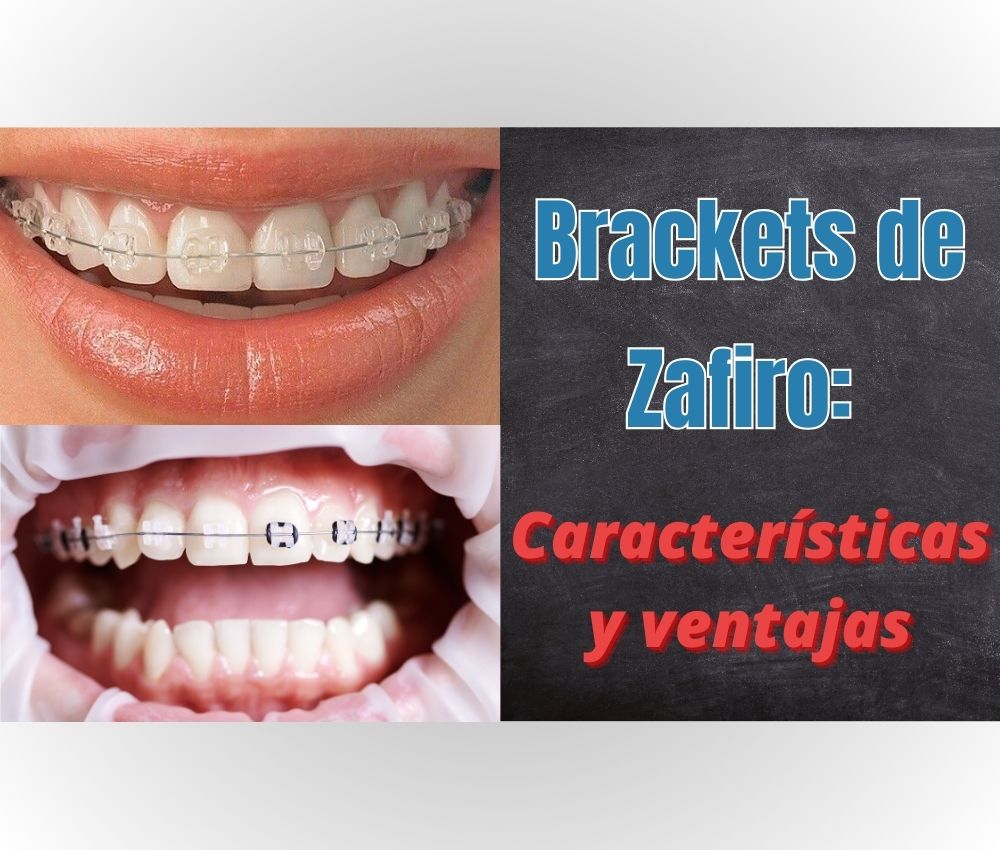
Brackets de Zafiro: Características y ventajas

Ortodoncia

Existen dos tipos de brackets: metálicos y estéticos. Dentro del grupo de los estéticos tenemos una gran variedad de brackets: de resina, plástico, cerámicos, zafiro y zirconio.

📌 Artículo Recomendado:
Vídeo 🔽 ORTODONCIA : ¿Para qué sirve la cadena de poder? ... Durante el tratamiento el ortodoncista usará una serie de elementos, y uno de ellos son las cadenas de poder. Las cadenas de poder son unos elásticos a base de polímeros de goma sintética y tienen la capacidad de deformarse

Los brackets de zafiro son transparentes, y esa transparencia permanece durante todo el tratamiento, además ofrecen una gran fijación.

Enlaces Patrocinados

Conozca cuáles son las características y ventajas de los brackets de zafiro, además compartimos un video que nos muestra paso a paso cómo se colocan estos brackets.

📌 Más artículos recomendados 

¿Qué es el Stripping dental?
¿Qué puedes hacer si se te cae un bracket?
¿Qué son las ligas intermaxilares? ¿Cuál es su función?

📌 VEA EL VÍDEO 1: "TODO SOBRE LOS BRACKETS ZAFIRO | ¿YA TE DECIDISTE?"


Fuente: Youtube / Ortodoncia MVM Tratamiento Dental Especializado

📌 VEA EL VÍDEO 2: "Colocación de brackets de Zafiro EN VIVO"


Fuente: Youtube / Dentistería Digital

📌 Artículo Recomendado:
Manual PDF 🔽 Manual de Ortopedia Funcional y Ortodoncia Interceptiva ... El movimientos de inclinación puede ser efectuado en los cuatros sentidos: mesial, distal, vestibular y palatino

jueves, 9 de abril de 2020

Irresponsabilidad en los pacientes de ortodoncia

Ortodoncia

La irresponsabilidad es la falta de capacidad de una persona de hacerse cargo de una obligación. Al momento que un paciente acepta el tratamiento, este debe estar enterado y consciente que está asumiendo una responsabilidad del mantenimiento de sus brackets y de asistir a sus citas.


Hay que tener en cuenta que el éxito de un tratamiento depende no solo del ortodoncista, sino de la responsabilidad del paciente. El tipo de dieta, la frecuencia del cepillado dental, y la asistencia a sus citas son las normas que el paciente debe seguir para no alargar su tratamiento y terminarlo con éxito.

Medicina Bucal


► También te puede interesar :
° ORTODONCIA Lingual : Colocación de brackets paso a paso
° ORTODONCIA: Tipos de retenedores luego de los brackets


Fuente: Youtube / Ortodoncia MVM Tratamiento Dental Especializado
Imagen : Park Orthodontics

miércoles, 8 de abril de 2020

ORTODONCIA Lingual : Colocación de brackets paso a paso

Ortodoncia Lingual

Una de las molestias que siempre refiere el paciente portador de brackets es: la estética de sus aparatos. Y con los años la ortodoncia ha ido mejorando en ese aspecto.

📌 Artículo Recomendado:
Vídeo 🔽 ¿Qué puedes hacer si se te cae un bracket? ... Es necesario que el paciente este informado sobre los cuidados que debe tener para evitar algún tipo de accidente con sus brackets ya que compromete con el tiempo del tratamiento

Han aparecido dos tipos de ortodoncia que podríamos llamarlo "invisible": Uno de ellos son los brackets linguales y el otros es el sistema invisalign. En esta oportunidad hablaremos sobre la ortodoncia lingual.

Enlaces Patrocinados
Los brackets linguales son aquellos que se colocan en la cara interna de los dientes, por lo que no se hace visible para el resto de las personas.

Conozca cuál es el procedimiento en el siguiente video.

También te puede interesar :
ORTODONCIA: Tipos de retenedores luego de los brackets
Irresponsabilidad en los pacientes de ortodoncia


Fuente: Youtube / Atracción Dental

martes, 7 de abril de 2020

ORTODONCIA: Tipos de retenedores luego de los brackets


La contención es la última fase del tratamiento de ortodoncia, y su importancia radica en mantener la alienación de los dientes y la mejora de la mordida u oclusión.

Es muy importante para mantener la estabilidad de la oclusión logrado por el ortodoncista y el paciente, ya que si no utilizamos estos dispositivos los dientes tienden a volver a sus posiciones originales de maloclusión.


Los tipos y la importancia de los retenedores post tratamiento de ortodoncia explicado por la Dra María Victoria Martín.

ORTODONCIAS


También te puede interesar :
¿Es necesario realizar extracciones dentales para el tratamiento de ortodoncia ?
ORTODONCIA Lingual : Colocación de brackets paso a paso


Fuente: Youtube / Ortodoncia MVM Tratamiento Dental Especializado
Imagen : Idealsmile Solutions