Mostrando entradas con la etiqueta ART. Mostrar todas las entradas

miércoles, 3 de diciembre de 2025

Minimally Invasive Pediatric Dentistry: Hall Technique, SMART, and ART — A Clinical Guide for Parents and Practitioners

Hall Technique - SMART - ART

Minimally invasive pediatric dentistry (MIPD) focuses on preserving tooth structure, controlling caries progression, and reducing discomfort during treatment. Modern approaches such as the Hall Technique, SMART, and ART offer evidence-based alternatives that avoid drilling, reduce fear, and improve cooperation in young patients.

📌 Recommended Article :
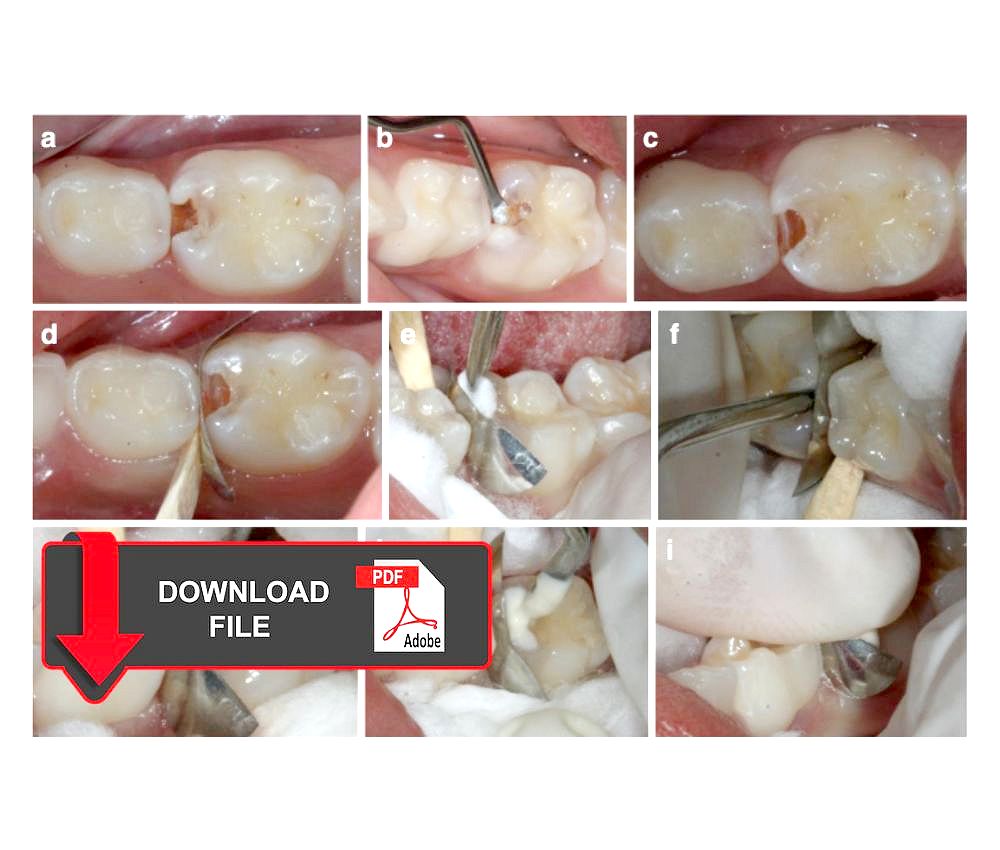
PDF 🔽 Hall technique: Complete information for the treatment of carious primary molars ... The objective of the article is to provide adequate information on the Hall technique, indications, contraindications, disadvantages, and the cost-effectiveness of this procedure.
This guide provides a comprehensive, SEO-optimized overview for clinicians and parents seeking child-friendly and scientifically validated caries management strategies.

Advertisement

Definition of Minimally Invasive Pediatric Dentistry
MIPD refers to a philosophy and set of techniques that aim to manage dental caries while minimizing removal of healthy tooth structure. These methods emphasize biological caries control, behavioral comfort, and long-term tooth preservation, especially for children with anxiety, special needs, or limited access to conventional care.

1. Hall Technique

➤ Definition
The Hall Technique involves sealing carious primary molars under preformed stainless steel crowns without caries removal, anesthesia, or tooth preparation (Innes et al., 2015).

➤ Benefits and Advantages
▪️ Exceptional long-term success rates for caries arrest
▪️ No need for drilling or anesthesia
▪️ Improved acceptance by anxious or very young children
▪️ Reduced chair time and procedure stress
▪️ Biological sealing of the lesion to stop progression

📌 Recommended Article :
PDF 🔽 Alternative for the rehabilitation of pediatric patients with early childhood caries ... Rehabilitation in pediatric dentistry is a challenge since the treatment must be immediate to avoid problems in the child's cooperation. There are several methods to rehabilitate and replace prematurely lost teeth.
2. SMART (Silver-Modified Atraumatic Restorative Treatment)

➤ Definition
SMART combines silver diamine fluoride (SDF) application with glass ionomer cement (GIC) to arrest and restore cavitated lesions (Crystal & Niederman, 2019).

➤ Benefits and Advantages
▪️ Highly effective caries arrest using SDF
▪️ GIC restores form and function while releasing fluoride
▪️ No drilling required
▪️ Ideal for young, uncooperative, or special-needs children
▪️ Cost-effective and easy to apply in community or school programs

📌 Recommended Article :
Dental Article 🔽 SMART Technique in Pediatric Dentistry: Caries Management in Children ... It combines the application of 38% silver diamine fluoride (SDF) with atraumatic restorative treatment (ART), offering effective caries control in children without the need for anesthesia or extensive drilling.
3. ART (Atraumatic Restorative Treatment)

➤ Definition
ART uses hand instruments only, removing soft caries and restoring with high-viscosity glass ionomer cement (Frencken et al., 2012).

➤ Benefits and Advantages
▪️ Avoids rotary instruments—no noise, vibration, or anesthesia
▪️ Clinically proven success in primary teeth
▪️ Fluoride release from GIC supports ongoing remineralization
▪️ Can be delivered in rural or low-resource settings
▪️ Patient-friendly and minimally invasive

📌 Recommended Article :
Dental Article 🔽 Chemical Caries Removal: Drill-Free Technique, Materials, and Clinical Application ... This approach reduces pain, anxiety, and the need for local anesthesia, making it ideal for pediatric, geriatric, and anxious patients.
💬 Discussion
The Hall Technique, SMART, and ART align with global recommendations for minimally invasive care, particularly the “short, simple, and stress-free” approach recommended by the AAPD and WHO. While each technique has distinct indications, all prioritize child comfort, preservation of tooth structure, and biological control of caries.
Limitations do exist—such as aesthetic concerns with SDF staining and case selection requirements—but the benefits overwhelmingly support their use as first-line strategies for managing early and moderate caries in primary teeth.

📌 Recommended Article :
Dental Article 🔽 Rampant Caries vs Early Childhood Caries (ECC): Clinical and Preventive Insights ... Rampant caries and Early Childhood Caries (ECC) represent two aggressive patterns of dental decay observed in pediatric patients. This article analyzes their etiology, clinical presentation, prevention, and treatment strategies based on the latest scientific evidence.
✍️ Conclusion
Minimally invasive pediatric dentistry provides effective, child-centered options for managing caries without drilling or anesthesia. The Hall Technique, SMART, and ART have demonstrated high success rates, making them essential tools in modern pediatric practice. When properly selected and applied, these methods support long-term oral health while reducing anxiety and improving cooperation in young patients.

🔎 Recommendations
▪️ Evaluate caries stage and tooth condition to choose the appropriate minimally invasive technique.
▪️ Discuss the biological approach and advantages with parents to increase acceptance.
▪️ Use SMART when arresting cavitated lesions is necessary but restoration is also desired.
▪️ Apply ART in community programs, rural settings, or for children who cannot tolerate rotary instruments.
▪️ Monitor treated lesions periodically to confirm caries arrest and crown integrity.

📚 References

✔ Crystal, Y. O., & Niederman, R. (2019). Evidence-based dentistry update on silver diamine fluoride. Dental Clinics of North America, 63(1), 45–68. https://doi.org/10.1016/j.cden.2018.08.011
✔ Frencken, J. E., Peters, M. C., Manton, D. J., Leal, S. C., Gordan, V. V., & Eden, E. (2012). Minimal intervention dentistry for managing dental caries – A review. International Dental Journal, 62(5), 223–243. https://doi.org/10.1111/idj.12007
✔ Innes, N. P., Ricketts, D., & Evans, D. J. (2015). Sealing caries in primary molars: The Hall Technique. Journal of Dentistry, 43(5), 506–515. https://doi.org/10.1016/j.jdent.2015.02.007
✔ American Academy of Pediatric Dentistry. (2023). Guideline on minimally invasive dentistry. https://www.aapd.org
✔ World Health Organization. (2022). Oral health guidelines for minimally invasive care. https://www.who.int

📌 More Recommended Items

Hall Technique vs Conventional Stainless Steel Crowns in Pediatric Dentistry: Effectiveness, Pros and Cons
Zirconia crowns in pediatric dentistry: Clinical considerations and step-by-step procedure
How Do Sodas Affect Your Teeth? Understanding the Hidden Dental Risks

miércoles, 18 de junio de 2025

Chemical Caries Removal: Drill-Free Technique, Materials, and Clinical Application

Chemical Caries Removal

Chemical caries removal is a minimally invasive technique that allows for the selective elimination of decayed dentin without the use of a dental drill.

📌 Recommended Article :
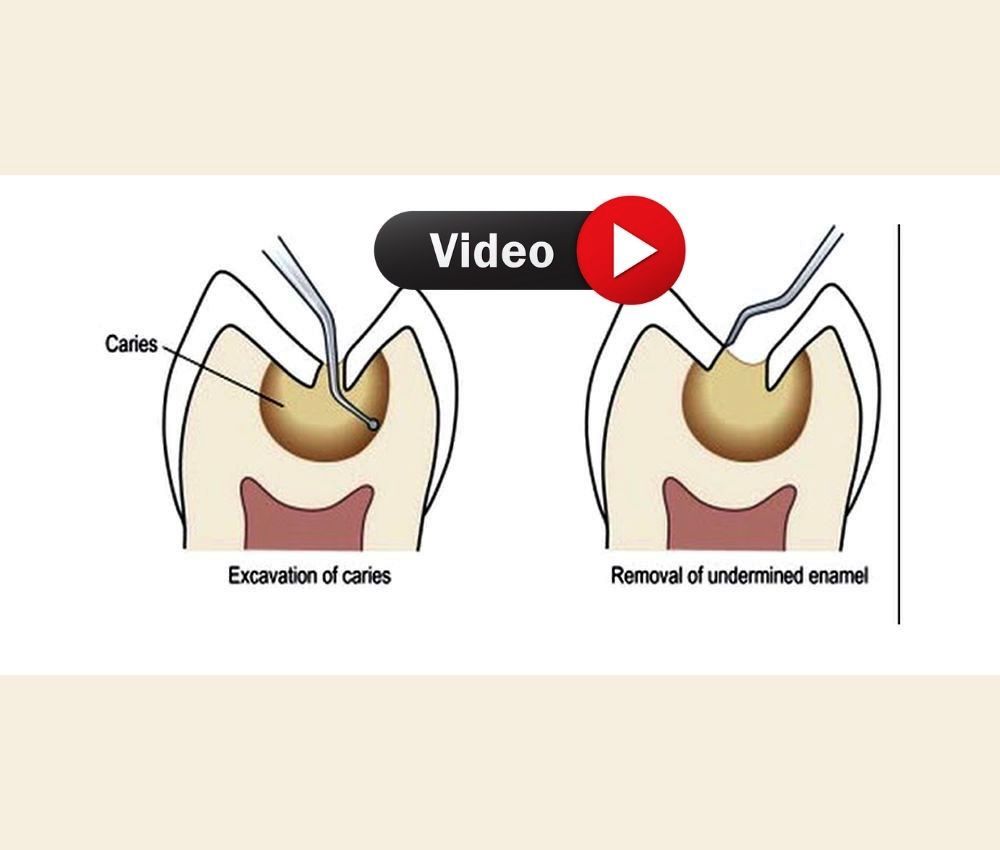
Video 🔽 Atraumatic Restorative Treatment - Indications, Advantages and Disadvantages ... This technique is very useful when it is necessary to attend to oral health needs in hard-to-reach areas. The pediatric patient also generates less anxiety and stress
The procedure involves softening infected dentin using a chemical agent, which is then gently removed with manual instruments. This approach reduces pain, anxiety, and the need for local anesthesia, making it ideal for pediatric, geriatric, and anxious patients.

Advertisement

How Does This Technique Work?
The chemical agents dissolve denatured collagen fibers found in infected dentin, leaving healthy dentin intact. The gel is applied directly to the carious lesion, allowed to act for a few minutes, and then the softened tissue is scraped away with hand excavators.

Leading Commercial Products
Here are the most widely used products for chemical caries removal:

1. Carisolv®
➤ Composition: Amino acids (lysine, leucine, glutamate), sodium hypochlorite (0.5%), and a gel carrier.
➤ Mechanism of Action: Sodium hypochlorite breaks down denatured collagen, while amino acids buffer the solution for selective tissue removal.
➤ Advantages: Tissue-selective action, reduced need for anesthesia, well-tolerated by patients.
➤ Disadvantages: Unpleasant odor, longer procedure time compared to traditional methods.

2. Papacárie Duo®
➤ Composition: Papain, chloramine, toluidine blue, and thickening agents.
➤ Mechanism of Action: Papain, an enzyme from papaya, breaks down the protein matrix in decayed dentin. Chloramine enhances the antimicrobial effect.
➤ Advantages: Biocompatible, anti-inflammatory, gentle enzymatic action.
➤ Disadvantages: Less effective in dry or deep lesions, moderately priced.

3. Brix3000®
➤ Composition: Highly purified papain (3,000 U/mg) with EBE (Encapsulated Buffered Emulsion) technology.
➤ Mechanism of Action: Targets and hydrolyzes denatured collagen with high specificity and enhanced stability.
➤ Advantages: Fast-acting, high enzymatic activity, easy-to-use syringe.
➤ Disadvantages: Higher cost, supervision recommended in extensive lesions.

4. Carie-Care™
➤ Composition: Papain, chloramine, clove oil (eugenol), and natural extracts.
➤ Mechanism of Action: Similar to Papacárie, with an added calming effect from clove oil.
➤ Advantages: Affordable, mild analgesic and antiseptic properties.
➤ Disadvantages: Variable effectiveness depending on lesion texture.

📌 Recommended Article :
PDF 🔽 Severe early childhood caries: an integral approach ... Treatment will depend on the extent of the injuries and requires interdisciplinary management to achieve successful rehabilitation. In these cases the cooperation of the parents is necessary
Clinical Guidelines for Use

° Ensure relative isolation to prevent contamination.
° Apply only to infected dentin.
° Use hand excavators to remove softened tissue.
° Visually and tactilely assess the remaining dentin to avoid overexcavation.
° Rinse with saline after the procedure.

Clinical Advantages

° Minimally invasive and conservative.
° Reduces or eliminates the need for dental drills and anesthesia.
° Excellent for children, elderly, and anxious patients.
° Preserves healthy tooth structure.
° Compatible with bioactive restorative approaches.

📌 Recommended Article :
Video 🔽 Use of Silver Diamine Fluoride (SDF) - General Guide on its application ... It offers several advantages such as its easy application, low cost, it avoids the use of dental anesthetics, and it can be applied in places that do not have dental equipment
Potential Disadvantages

° Longer chair time compared to rotary methods.
° Higher cost for certain products.
° May be less effective on hard or sclerotic lesions.
° Requires careful visual and tactile evaluation.

💬 Discussion

Multiple studies support chemical caries removal as a conservative alternative in restorative dentistry. Enzymatic agents such as papain and oxidizers like sodium hypochlorite have demonstrated effectiveness in dissolving infected dentin without compromising healthy tissue. Despite limitations such as longer procedure times and availability, this technique aligns with modern principles of minimally invasive dentistry and is gaining wider acceptance.

📌 Recommended Article :
Dental Article 🔽 Glass Ionomer Cement in Pediatric Dentistry: Benefits, Uses, and Step-by-Step Application Guide ... This article explores its characteristics, advantages, disadvantages, clinical applications, and a step-by-step guide for proper use
💡 Conclusion

Chemical caries removal is a significant advancement in conservative dentistry, offering a drill-free, painless option for removing decayed tissue. While it does not fully replace mechanical methods, its integration into clinical practice provides a more comfortable and tissue-preserving approach for managing dental caries.

📚 References

✔ Abdelaziz, K. M., & Hassan, M. I. (2018). Efficacy of papain gel (Papacárie®) and Carisolv® in caries removal in primary teeth: A randomized clinical trial. Journal of Clinical Pediatric Dentistry, 42(5), 353–359. https://doi.org/10.17796/1053-4625-42.5.10

✔ Bussadori, S. K., Castro, L. C., & Galvão, A. C. (2005). Papain gel: A new chemo-mechanical caries removal agent. Journal of Clinical Pediatric Dentistry, 30(2), 115–119. https://doi.org/10.17796/jcpd.30.2.u025q822j424u5g6

✔ Koch, G., Poulsen, S., Espelid, I., & Haubek, D. (2017). Pediatric dentistry: A clinical approach (3rd ed.). Wiley Blackwell.

✔ Maragakis, G. M., Hahn, P., & Hellwig, E. (2001). Clinical evaluation of Carisolv® for removing carious dentin and effect on restorative materials and bonding. American Journal of Dentistry, 14(1), 58–60.

✔ Lussi, A., & Hellwig, E. (2019). Alternatives to drilling: Chemomechanical caries removal. In Mount, G. J., & Hume, W. R. (Eds.). Preservation and Restoration of Tooth Structure (3rd ed., pp. 95–104). Wiley-Blackwell.

📌 More Recommended Items

Atraumatic Restorative Treatment - Step-by-step procedure manual
Anterior dental esthetics in primary teeth - Oral Rehabilitation
Medications for Pulp Capping in Primary Teeth: Indications, Composition, and Clinical Management

jueves, 1 de septiembre de 2022

Step-by-step Procedure Manual on Atraumatic Restorative Treatment

Atraumatic Restorative Treatment

Atraumatic restorative treatment is a procedure that removes carious tissue from teeth using only hand instruments. This procedure is performed when patients live in areas where basic services are lacking.

To perform a correct caries removal technique, it is essential to know the instruments and the handling of the restoration material. Glass ionomer is the material of choice to restore carious teeth.

Advertisement

The manual that we share offers us several tips on atraumatic restorative treatment, such as the caries removal procedure and handling of the restoration material.

ART


👉 READ AND DOWNLOAD "Step-by-step Procedure Manual on Atraumatic Restorative Treatment" IN FULL IN PDF👈


Holmgren CJ, Roux D, Doméjean S. Traitement restaurateur atraumatique (ART). Une approche a minima de la prise en charge des lésions carieuses. Réalités Cliniques 2011; 22: 245–256.

You may also like :
Hall technique: Complete information for the treatment of carious primary molars
Stainless Steel Crowns: Adaptation and installation - Step by step
Are Antibiotics Enough To Treat A Tooth Infection?

lunes, 1 de agosto de 2022

Atraumatic Restorative Treatment - Step-by-step procedure manual

Atraumatic Restorative Treatment

The Atraumatic Restorative Treatment is the caries removal procedure with manual instruments, without rotating equipment, low cost and without anesthesia.

The ART will remove the caries leaving a thicker tooth structure, stopping the caries until the exfoliation of the primary tooth. An adhesive restorative material such as glass ionomer is then placed.

Advertisement

We share a complete manual on the procedure, tips, indications, instruments and theoretical basis of atraumatic restorative treatment.

TMJ


👉 READ AND DOWNLOAD "Atraumatic Restorative Treatment - Step-by-step procedure manual" IN FULL IN PDF👈


How to carry out Atraumatic Restorative Treatment (ART) on decayed teeth - A Training Manual for Public Health Workers. Palwasha Momand / Jayanthi Stjernswärd. 2008


👉 ALSO WATCH THE VIDEO: Atraumatic Restorative Treatment for primary molars #64


Fuente: Youtube / Arwa Namnakani

You may also like :
Atraumatic Restorative Treatment - Indications, Advantages and Disadvantages
Atraumatic Restorative Treatment in Dentistry
Severe early childhood caries: an integral approach

jueves, 7 de mayo de 2020

Atraumatic Restorative Treatment (ART) for dental caries : Step by step

Atraumatic Restorative Treatment (ART)

We share two videos that provide a complete demonstration of the Atraumatic Restorative Treatment (ART) approach, a minimally invasive technique widely used in pediatric and community dentistry.

📌 Recommended Article :
Dental Article 🔽 Glass Ionomer Cement in Pediatric Dentistry: Benefits, Uses, and Step-by-Step Application Guide ... Glass ionomer cement (GIC) is a widely used dental material in pediatric dentistry due to its strong adhesion, fluoride release, and biocompatibility.
The first video focuses on cavity preparation, showing how to remove decayed tissue using hand instruments only, preserving sound tooth structure and minimizing discomfort. Emphasis is placed on infection control, proper isolation, and patient-centered care to ensure comfort during the procedure.

Advertisement

The second video highlights the restoration phase, explaining the manipulation and placement of glass ionomer cement (GIC), its adaptation to cavity walls, and finishing techniques to achieve long-lasting and aesthetic results. Together, both videos reinforce the principles of preventive, conservative, and patient-friendly dentistry, aligning with the philosophy of modern minimally invasive restorative care.

📌 Watch the video: "A technique for Atraumatic Restorative Treatment: Cavity Preparation - Part 1"


Youtube/ Pediatric Dental Seminars

📌 Watch the video: "A technique for Atraumatic Restorative Treatment: Restauration - Part 2"


Youtube/ Pediatric Dental Seminars

📌 We recommend these webinars:

Chemical Caries Removal: Drill-Free Technique, Materials, and Clinical Application
Step-by-step Procedure Manual on Atraumatic Restorative Treatment
Early Childhood Caries: Current Concepts and Innovative Treatment Approaches