Mostrando entradas con la etiqueta TMJ. Mostrar todas las entradas

lunes, 3 de noviembre de 2025

Temporomandibular Joint (TMJ) Disorders: Structure, Symptoms, Causes, and Treatment

MIH and Enamel Hypoplasia

Temporomandibular joint (TMJ) disorders are among the most frequent causes of orofacial pain and functional limitations in dentistry. Understanding the anatomy, etiology, clinical presentation, and management of TMJ pathologies is crucial for effective patient care.

📌 Recommended Article :
Dental Article 🔽 Is Bruxism a Medical or Dental Problem? Causes, Risks, and Treatments ... This article explores whether it should be considered a dental problem, a medical condition, or both, by examining its signs, contributing factors, risk assessment tools, treatment strategies, and clinical management plans.
Introduction
The temporomandibular joint (TMJ) is a complex bilateral synovial articulation that connects the mandible to the temporal bone of the skull. It plays a vital role in essential functions such as mastication, speech, and swallowing. TMJ pathologies, commonly referred to as temporomandibular disorders (TMD), involve muscles, ligaments, or joint structures, and can significantly affect quality of life.

Advertisement

Anatomical Components of the TMJ
The TMJ consists of several components that allow coordinated and smooth mandibular movements.

📊 Comparative Table: Components of the Temporomandibular Joint (TMJ)

Aspect Description Clinical Relevance
Articular Disc Fibrocartilaginous structure between condyle and temporal bone Cushions joint movement and absorbs mechanical stress
Mandibular Condyle Rounded process articulating with the temporal fossa Responsible for rotational and translational movement
Synovial Membrane Lines the joint capsule and produces synovial fluid Lubricates and nourishes joint tissues
Articular Capsule Fibrous tissue enclosing the TMJ Provides protection and stability during movement
Common TMJ Pathologies
TMJ disorders encompass a variety of conditions that affect the joint, muscles, or associated structures.

1. Myofascial Pain Dysfunction Syndrome
Characterized by muscle tenderness, fatigue, and restricted mandibular movement, often related to stress, bruxism, or malocclusion.

2. Internal Derangement
Involves displacement of the articular disc, leading to clicking, locking, or deviation during mouth opening.

📌 Recommended Article :
Video 🔽 How to Reduce a TMJ Dislocation? ... The temporomandibular joint (TMJ) is a joint between the mandible and the temporal bone of the skull. The condyle of the mandible articulates bilaterally in a concavity known as the glenoid fossa or mandibular fossa.
3. Osteoarthritis and Rheumatoid Arthritis
Degenerative and inflammatory processes can cause joint surface erosion, crepitation, and pain during function.

4. Ankylosis
A fusion of the articular surfaces, either bony or fibrous, results in severe restriction of jaw movement.

📌 Recommended Article :
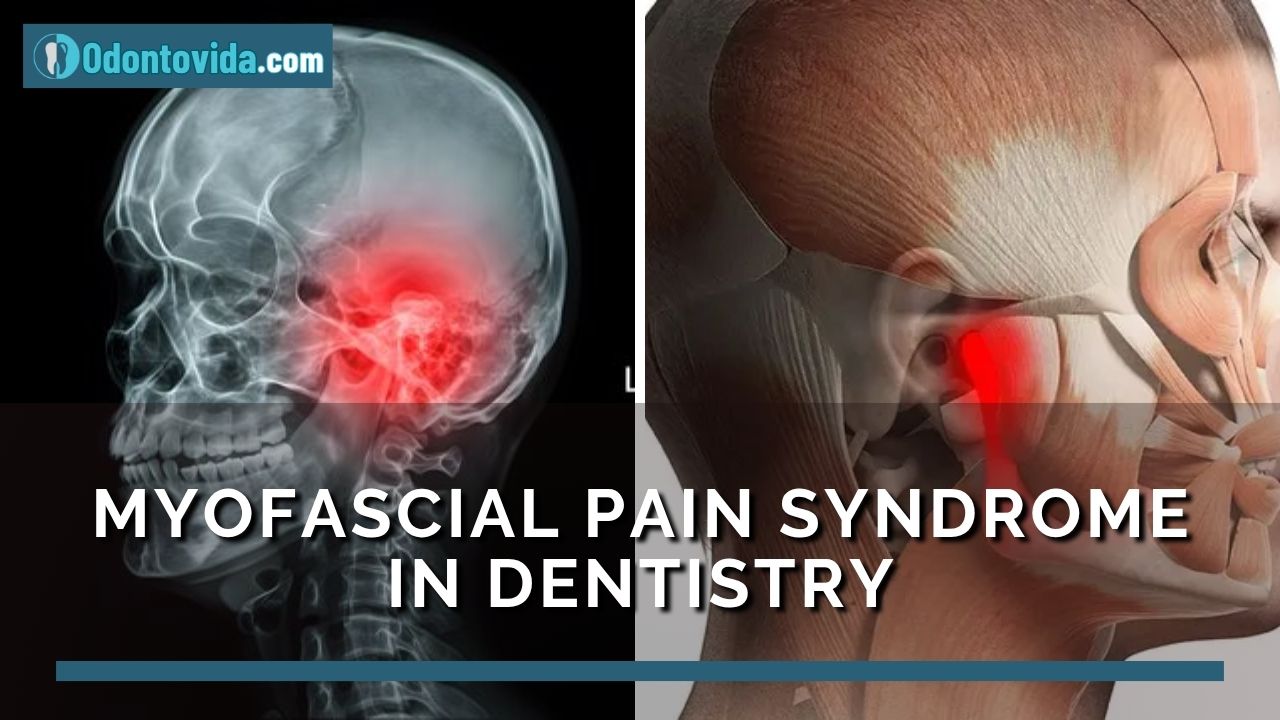
Dental Article 🔽 Myofascial Pain Syndrome in Dentistry: Clinical Impact and Modern Management ... Myofascial pain syndrome (MPS) is one of the most prevalent muscular causes of orofacial and jaw pain, often presenting with facial trigger points and mimicking temporomandibular joint dysfunction (TMJ disorder) or tooth pain.
Symptoms and Clinical Signs
Typical manifestations of TMJ disorders include:

▪️ Pain in the preauricular region
▪️ Clicking or popping sounds
▪️ Limited mouth opening (less than 35 mm)
▪️ Mandibular deviation on opening
▪️ Headache, otalgia, and neck muscle tension

📌 Recommended Article :
Video 🔽 What causes jaw pain? - Painful, clicking jaw? Causes, symptoms and treatment ... The discussion also emphasizes early diagnosis, lifestyle modifications, and evidence-based treatment approaches that help restore comfort and prevent long-term complications.
Etiology and Risk Factors
The causes of TMJ pathologies are multifactorial, including:

▪️ Trauma or microtrauma (bruxism)
▪️ Malocclusion and occlusal interferences
▪️ Psychological stress and muscle hyperactivity
▪️ Systemic diseases (e.g., arthritis)
▪️ Hormonal and genetic predispositions

📌 Recommended Article :
Video 🔽 Massage Tutorial: Myofascial release for TMJ/jaw pain ... The temporomandibular joint can undergo some alterations that cause pain to the patient, and can limit the movements of the jaw. In this syndrome the muscles are also involved.
Diagnosis
A comprehensive clinical examination supported by imaging (MRI, CT, panoramic radiographs) is essential to determine the underlying pathology. Functional assessment of mandibular movements, joint sounds, and muscle palpation aid in differential diagnosis.

Treatment and Management
Management of TMJ pathologies depends on the etiology and severity:

▪️ Conservative therapy: rest, soft diet, moist heat, occlusal splints, and physical therapy.
▪️ Pharmacological management: use of NSAIDs, muscle relaxants, or short-term benzodiazepines.
▪️ Behavioral interventions: stress reduction, biofeedback, and patient education.
▪️ Surgical approaches: indicated for severe disc displacement, ankylosis, or degenerative changes unresponsive to conservative therapy.

📌 Recommended Article :
Dental Article 🔽 Occlusal Splints: Types, Benefits, and Who Needs Them ... Occlusal splints, also known as bite guards, night guards, or dental orthotics, are removable dental devices that cover the occlusal (biting) surfaces of teeth.
💬 Discussion
Early diagnosis and multidisciplinary management improve outcomes for TMJ disorders. Studies show that 80–90% of patients respond to conservative treatment (Scrivani et al., 2008). The integration of occlusal, psychological, and physiotherapeutic approaches offers better long-term stability.

✍️ Conclusion
Temporomandibular disorders (TMD) represent a significant source of orofacial discomfort. Understanding the anatomy, pathophysiology, and management strategies of the TMJ enables dental professionals to deliver effective, patient-centered care. Early intervention and comprehensive evaluation remain key to preventing chronic dysfunction.

📌 Recommended Article :
PDF/Video 🔽 Bruxism: What are the symptoms? How is it diagnosed? ... Bruxism can occur at any age, and must be diagnosed and treated in time to avoid its serious consequences and complications. Treatment is sometimes usually multidisciplinary.
🔎 Recommendations
▪️ Implement routine TMJ evaluation during dental check-ups.
▪️ Educate patients on parafunctional habits and stress management.
▪️ Prioritize non-invasive treatment before surgical alternatives.
▪️ Encourage multidisciplinary collaboration for complex cases.

📚 References

✔ Okeson, J. P. (2020). Management of Temporomandibular Disorders and Occlusion (8th ed.). Elsevier.
✔ Scrivani, S. J., Keith, D. A., & Kaban, L. B. (2008). Temporomandibular disorders. New England Journal of Medicine, 359(25), 2693–2705. https://doi.org/10.1056/NEJMra0802472
✔ Manfredini, D., Guarda-Nardini, L., Winocur, E., Piccotti, F., Ahlberg, J., & Lobbezoo, F. (2011). Research diagnostic criteria for temporomandibular disorders: A systematic review. Journal of Oral Rehabilitation, 38(10), 723–737. https://doi.org/10.1111/j.1365-2842.2011.02207.x

📌 More Recommended Items

Trismus: Causes, Risk Factors, Prevention, and Treatment Options
What is temporomandibular disorder? - Concept, diagnosis and current treatment
What are the consequences of bruxism?

domingo, 14 de septiembre de 2025

Trismus: Causes, Risk Factors, Prevention, and Treatment Options

Trismus

Abstract: Trismus, commonly known as restricted mouth opening, is a frequent condition in dental and medical practice. It is often associated with infections, trauma, inflammation, or as a complication of cancer therapies. This article reviews risk factors, causes, prevention strategies, and evidence-based treatments.

📌 Recommended Article :
Video 🔽 How to Reduce a TMJ Dislocation? ... Dislocation of the temporomandibular joint is a painful condition that occurs when the mandibular condyle becomes fixed in the anterosuperior aspect of the articular eminence.
Introduction: Trismus is defined as a limitation of mouth opening, usually less than 35 mm, which interferes with eating, oral hygiene, and dental treatment. Its etiology is multifactorial, and its management often requires an interdisciplinary approach.

Advertisement

Risk Factors

° Prolonged dental procedures
° Pericoronal infections
° Radiotherapy in the head and neck region
° Facial trauma
° Invasive oral surgeries

📌 Recommended Article :
Video 🔽 Massage Tutorial: Myofascial release for TMJ/jaw pain ... The temporomandibular joint can undergo some alterations that cause pain to the patient, and can limit the movements of the jaw. In this syndrome the muscles are also involved.
Main Causes

° Infectious: peritonsillar abscesses, pericoronitis.
° Inflammatory: temporomandibular arthritis, post-radiation fibrosis.
° Traumatic: mandibular or muscular fractures.
° Iatrogenic: intramuscular anesthesia, complex surgical extractions.

📌 Recommended Article :
Video 🔽 VIDEO: Signs and symptoms of TMJ disorders ... Temporomandibular joint syndrome is the lesion or localized pain that the patient presents in the joint.
Prevention

° Minimize trauma during dental procedures.
° Proper anesthetic techniques.
° Jaw exercise programs in oncology patients receiving radiotherapy.
° Early treatment of oral infections.

📌 Recommended Article :
Video 🔽 What Are The Causes Of TMJ Related Headaches? ... The chewing muscles and the joint are affected by TMD, and it prevents various actions such as: talking, yawning, eating and even breathing.
Treatment Options

° Pharmacological: anti-inflammatory drugs, muscle relaxants.
° Physiotherapy: progressive jaw exercises, mouth-opening devices.
° Surgical: scar release and reconstructive surgery in severe cases.
° Adjunctive therapies: local heat, therapeutic ultrasound.

📊 Comparison Table: Trismus — Causes, Risk Factors, Prevention and Treatment

Category Typical Causes Risk Factors Prevention Treatment / Management
Infectious Peritonsillar abscess, pericoronitis, odontogenic infections affecting masticatory muscles. Untreated dental infections, delayed care, poor oral hygiene. Early treatment of infections; patient education on hygiene and timely dental visits. Antibiotics when indicated, abscess drainage, analgesics, early jaw physiotherapy.
Inflammatory / Arthritic TMJ arthritis, inflammation, post-radiation fibrosis. Systemic arthritis, prior head & neck radiotherapy, chronic parafunction. Manage systemic disease; preventive exercises for radiotherapy patients; address parafunctional habits. NSAIDs, steroid injections if indicated, jaw exercises, occlusal therapy.
Traumatic Mandibular fractures, muscle contusion, penetrating injuries. Facial trauma, high-energy injuries, delayed fixation. Timely trauma management and appropriate fixation; early guided mobilization when safe. Surgical repair if needed, progressive mobilization, physiotherapy, analgesia.
Iatrogenic / Surgical Complex third-molar extractions, prolonged mouth opening during surgery, intramuscular injections into masticatory muscles. Lengthy procedures, inadequate perioperative protection/exercises, poor technique. Minimize procedure duration when possible; use protective positioning; provide post-op jaw exercises. Progressive opening exercises, mouth-opening devices, pharmacologic muscle spasm control.
Oncologic (Radiation) Radiation-induced fibrosis of masticatory muscles and TMJ structures. High radiation dose to masticatory apparatus, lack of preventive exercise program. Jaw exercise protocols before, during and after radiotherapy; tailor planning to spare muscles. Long-term physiotherapy, passive/dynamic stretch devices; surgical release for severe fibrosis.

💬 Discussion
Trismus significantly impacts patients’ quality of life, compromising nutrition, speech, and access to dental care. Recent literature highlights the importance of prevention in oncology patients undergoing radiotherapy and the benefits of combined therapies, where physiotherapy plays a pivotal role. Early recognition of risk factors is essential to avoid permanent functional limitations.

✍️ Conclusion
Trismus is a multifactorial condition requiring early diagnosis and multidisciplinary management. Preventive strategies in dental care and rehabilitation programs for high-risk patients are crucial for optimizing clinical outcomes and improving quality of life.

📌 Recommended Article :
PDF 🔽 What is temporomandibular disorder? - Concept, diagnosis and current treatment ... The etiology of temporomandibular disorders are complex and varied, and it is a challenge for the evaluation, diagnosis and management of this pathology.
📚 References

✔ Dhanrajani, P. J., & Jonaidel, O. (2002). Trismus: aetiology, differential diagnosis and treatment. Dental Update, 29(2), 88–92. https://doi.org/10.12968/denu.2002.29.2.88

✔ Pauli, N., Fagerberg-Mohlin, B., Andrell, P., & Finizia, C. (2013). Exercise intervention for the treatment of trismus in head and neck cancer. Acta Oncologica, 52(6), 1065–1073. https://doi.org/10.3109/0284186X.2012.760846

✔ Bhrany, A. D., Izzard, M. E., & Wood, D. E. (2007). Trismus secondary to head and neck cancer: treatment strategies. Oral Oncology, 43(3), 252–260. https://doi.org/10.1016/j.oraloncology.2006.02.015

✔ Johnson, J., van As-Brooks, C., Fagerberg-Mohlin, B., & Finizia, C. (2010). Trismus in head and neck cancer patients in Sweden: incidence and risk factors. Medical Science Monitor, 16(6), CR278–CR282. PMID: 20512138

📌 More Recommended Items

Myofascial Pain Syndrome in Dentistry: Clinical Impact and Modern Management
Diagnosis of temporomandibular joint (TMJ) ankylosis in children
Is there a relationship between headache and temporomandibular disorder?

jueves, 3 de julio de 2025

Myofascial Pain Syndrome in Dentistry: Clinical Impact and Modern Management

Myofascial Pain Syndrome

Orofacial pain is a common concern in dental practice and may stem from various sources including dental, joint, neuropathic, or muscular origins.

📌 Recommended Article :
PD/Video 🔽 Bruxism: What are the symptoms? How is it diagnosed? ... Bruxism can occur at any age, and must be diagnosed and treated in time to avoid its serious consequences and complications. Treatment is sometimes usually multidisciplinary
Myofascial pain syndrome (MPS) is one of the most prevalent muscular causes of orofacial and jaw pain, often presenting with facial trigger points and mimicking temporomandibular joint dysfunction (TMJ disorder) or tooth pain. Early recognition is key to avoiding misdiagnosis and unnecessary dental procedures.

Advertisement

Definition of Myofascial Pain Syndrome
MPS is defined as a chronic pain condition involving myofascial trigger points—hyperirritable spots located within taut bands of skeletal muscle or fascia. When palpated, these points produce localized or referred pain and muscular stiffness (Simons et al., 1999; Gerwin, 2020).

Causes and Risk Factors
Several factors contribute to the onset of MPS, including:

° Bruxism and chronic jaw clenching
° Muscle overuse (e.g., prolonged chewing, poor posture)
° Emotional stress, leading to muscle tension
° Poor occlusion or dental misalignment
° Tooth loss or unbalanced prosthetics
° Jaw trauma or repetitive microtrauma

These triggers can result in dysfunctional muscle contraction and sustained activation of trigger points.

📌 Recommended Article :
Video 🔽 Dislocation ... Dislocation of the temporomandibular joint is a painful condition that occurs when the mandibular condyle becomes fixed in the anterosuperior aspect of the articular eminence
Symptoms and Clinical Presentation
Typical symptoms of MPS in dental patients include:

° Persistent jaw pain or soreness
° Facial muscle stiffness and tenderness
° Referred pain to the teeth, temples, ears, or neck
° Jaw fatigue or tightness during talking or chewing
° Clicking or limited range of motion in the TMJ
° Sensation of malocclusion without clinical evidence

These symptoms often resemble TMD or neuropathic conditions, making clinical evaluation essential.

Clinical Relevance in Dentistry
Myofascial pain can complicate dental diagnosis and management due to symptom overlap with:

° Atypical toothache (non-odontogenic pain)
° Temporomandibular joint disorders (TMJ/TMD)
° Facial nerve pain or neuralgia
° Persistent post-treatment dental pain

According to the American Academy of Orofacial Pain (2022), up to 85% of patients with chronic orofacial pain have a muscular component. Failing to recognize MPS can result in unnecessary root canals, extractions, or surgical interventions.

📌 Recommended Article :
Video 🔽 What are the symptoms of clenched teeth and how can we fix it? ... This activity is nocturnal and in states of unconsciousness. The consequences of bruxism is varied, since it affects teeth, muscles and bones
Diagnosis
MPS diagnosis is clinical and based on:

° Palpation of active trigger points
° Reproduction of referred pain
° Muscle tightness and tenderness
° Exclusion of dental or joint pathologies

Imaging is not typically required but may be helpful in ruling out other causes. Ultrasound and electromyography are sometimes used for muscle assessment.

Treatment Options
Effective management of MPS is multidisciplinary and includes:

➤ Physical Therapy and Manual Techniques
°Myofascial release and massage therapy
° Dry needling
° Jaw stretching and strengthening exercises
° Ultrasound therapy or heat application

➤ Medications
° Nonsteroidal anti-inflammatory drugs (NSAIDs)
° Muscle relaxants (e.g., cyclobenzaprine)
° Local anesthetic injections for trigger point relief

➤ Dental Management
° Occlusal adjustments and bite correction
° Night guards or splint therapy for bruxism
° Replacement of missing teeth to restore occlusal balance

➤ Psychological and Behavioral Support
° Cognitive-behavioral therapy for stress and anxiety
° Biofeedback or relaxation techniques

📌 Recommended Article :
Video 🔽 Massage Tutorial: Myofascial release for TMJ/jaw pain ... The temporomandibular joint can undergo some alterations that cause pain to the patient, and can limit the movements of the jaw. In this syndrome the muscles are also involved
💡 Conclusion
Myofascial pain syndrome is a common yet frequently overlooked source of jaw muscle pain and orofacial dysfunction in dental patients. Its overlapping symptoms with other dental and TMJ conditions can lead to misdiagnosis and overtreatment. Dentists must be equipped to recognize the signs of MPS and apply integrated approaches involving manual therapy, medication, and occlusal management. Early diagnosis is critical for successful pain relief and restoration of normal function.

📚 References

✔ American Academy of Orofacial Pain. (2022). Orofacial Pain: Guidelines for Assessment, Diagnosis, and Management (6th ed.). Quintessence Publishing.

✔ Gerwin, R. D. (2020). Classification, epidemiology, and etiology of myofascial pain syndrome. Current Pain and Headache Reports, 24(5), 1–6. https://doi.org/10.1007/s11916-020-00832-5

✔ Simons, D. G., Travell, J. G., & Simons, L. S. (1999). Myofascial Pain and Dysfunction: The Trigger Point Manual (2nd ed.). Williams & Wilkins.

✔ Fernández-de-Las-Peñas, C., & Dommerholt, J. (2018). Myofascial Trigger Points: Pathophysiology and Evidence-Informed Diagnosis and Management. Jones & Bartlett Learning.

✔ Manfredini, D., & Guarda-Nardini, L. (2020). Myofascial pain in temporomandibular disorders: An updated review on diagnosis and management. Journal of Oral Rehabilitation, 47(5), 670–682. https://doi.org/10.1111/joor.12930

📌 More Recommended Items

What is temporomandibular disorder? - Concept, diagnosis and current treatment
Is there a relationship between headache and temporomandibular disorder?
Can children suffer from bruxism?

miércoles, 17 de agosto de 2022

What is temporomandibular disorder? - Concept, diagnosis and current treatment

TMD

The temporomandibular joint is formed by the mandibular and the temporal bone of the skull, which together with muscular structures allow movements such as opening, closing, laterality, protrusion and mandibular retrusion.

The etiology of temporomandibular disorders are complex and varied, and it is a challenge for the evaluation, diagnosis and management of this pathology. Treatment can be conservative or surgical.

Advertisement

Learn about the clinical manifestations, causes and consequences of temporomandibular disorders, in addition to the management and treatment of this pathology.

TMD


👇 READ AND DOWNLOAD THE ARTICLE "Temporomandibular Disorders: Current Concepts and Controversies in Diagnosis and Management" IN PDF 👇


Li, D.T.S.; Leung, Y.Y. Temporomandibular Disorders: Current Concepts and Controversies in Diagnosis and Management. Diagnostics 2021, 11, 459. https://doi.org/10.3390/diagnostics11030459

You may also like :
Temporomandibular disorders (TMD) in children - Clinical examination and treatment
Is there a relationship between headache and temporomandibular disorder?
What causes jaw pain?

martes, 5 de julio de 2022

Temporomandibular disorders (TMD) in children - Clinical examination and treatment

TMD

Temporomandibular disorders involve the muscles of mastication and the temporomandibular joint, causing pain and difficulty in chewing. These disorders are not common in children and adolescents, but it is necessary to know the signs and symptoms to be able to identify them.

Diagnosis is through clinical and radiographic examinations, and treatment aims to eliminate pain, improve chewing, and reduce risk factors. In some cases, treatment is multidisciplinary.

Advertisement

The article recommends how to perform a clinical examination and recognize the signs and symptoms of temporomandibular disorders in children, as well as offering treatment options in pediatric patients.

TMJ


👉 READ AND DOWNLOAD "Temporomandibular disorders (TMD) in children - Clinical examination and treatment" IN FULL IN PDF👈


American Academy of Pediatric Dentistry. Acquired temporomandibular disorders in infants, children, and adolescents. The Reference Manual of Pediatric Dentistry. Chicago, Ill.: American Academy of Pediatric Dentistry; 2021:426-34.

You may also like :
How to Reduce a TMJ Dislocation?
Massage Tutorial: Myofascial release for TMJ/jaw pain
VIDEO: Signs and symptoms of TMJ disorders

viernes, 9 de abril de 2021

What causes jaw pain? - Painful, clicking jaw? Causes, symptoms and treatment

Jaw Pain

The video “What Causes Jaw Pain?” explores the most common dental and muscular origins of jaw discomfort, including temporomandibular joint (TMJ) disorders, bruxism, trauma, and dental infections.

📌 Recommended Article :
Video 🔽 What is temporomandibular disorder? - Concept, diagnosis and current treatment ... The temporomandibular joint is formed by the mandibular and the temporal bone of the skull, which together with muscular structures allow movements such as opening, closing, laterality, protrusion and mandibular retrusion.
It highlights how stress, poor posture, and bite imbalances can contribute to chronic pain and functional limitations.

Advertisement


The discussion also emphasizes early diagnosis, lifestyle modifications, and evidence-based treatment approaches that help restore comfort and prevent long-term complications.

📌 Recommended Article :
Dental Article 🔽 Myofascial Pain Syndrome in Dentistry: Clinical Impact and Modern Management ... Orofacial pain is a common concern in dental practice and may stem from various sources including dental, joint, neuropathic, or muscular origins.
This educational video is designed to help both patients and professionals understand the multifactorial nature of jaw pain and its effective management.

You may also like :
Trismus: Causes, Risk Factors, Prevention, and Treatment Options
Is there a relationship between headache and temporomandibular disorder?
Massage Tutorial: Myofascial release for TMJ/jaw pain


Source: Youtube/ Doctor O'Donovan

jueves, 27 de agosto de 2020

Is there a relationship between headache and temporomandibular disorder?

Ranula

Headache is one of the most common ills in society, and in some cases it is associated with temporomandibular dysfunction (TMD). The article that we share this time carries out a study of the relationship between headaches and TMD.

We invite you to our English-only dental publishing groups

🎯 WhatsApp Group All Odontology
🎯 Telegram Group All Odontology
🎯 Facebook Group All Odontology

Temporomandibular dysfunction is evidenced by sharp pain in the temporomandibular joint and the chewing muscles. These pains can increase over time if it is not treated in time.

Advertisement

In conclusion, the findings from this review and the two reported cases suggest that TMD encompasses a collection of clinical entities that are often very painful and disabling, with a major contribution of headache to patient symptoms.

Endodontics


However, they are self-limiting and generally respond to conservative therapy. Basic management strategies for pain control and restoration of the range of motion can decrease the level of disability and often contribute to relief from primary headaches.


° Abouelhuda, A. M., Kim, H. S., Kim, S. Y., & Kim, Y. K. (2017). Association between headache and temporomandibular disorder. Journal of the Korean Association of Oral and Maxillofacial Surgeons, 43(6), 363–367. https://doi.org/10.5125/jkaoms.2017.43.6.363

You may also like :
What Does Your Tongue Say About Your State Of Health?
What are the consequences of a tooth extraction?
ORAL MEDICINE: What are tonsil stones?