Mostrando entradas con la etiqueta TMD. Mostrar todas las entradas

miércoles, 23 de septiembre de 2026

TMD Signs and Symptoms: Key Clinical Findings

TMD

Temporomandibular disorders (TMDs) comprise a heterogeneous group of conditions affecting the temporomandibular joints (TMJs), masticatory muscles, and associated structures.

📌 Recommended Article :
Video 🔽 What causes jaw pain? - Painful, clicking jaw? Causes, symptoms and treatment ... The discussion also emphasizes early diagnosis, lifestyle modifications, and evidence-based treatment approaches that help restore comfort and prevent long-term complications.
Clinical manifestations vary according to the underlying disorder and may include jaw pain, joint sounds, restricted mandibular movement, muscle tenderness, and headache.

Advertisement

Recognition of the characteristic signs and symptoms of TMD is important because joint sounds without pain are common and do not necessarily indicate disease. A diagnosis should therefore be based on the relationship between symptoms, clinical findings, and mandibular function rather than on isolated findings.

📌 Recommended Article :
Dental Article 🔽 What Is Trismus? Causes, Symptoms, and Treatment ... Trismus is a clinical condition characterized by restricted mouth opening caused by spasm, inflammation, fibrosis, or mechanical obstruction of the masticatory muscles and temporomandibular joint structures.
✅ Common Signs and Symptoms of TMD
The clinical presentation of TMD can be broadly organized into pain-related symptoms, functional alterations, joint findings, and associated manifestations.
Clinical Feature Typical Presentation Clinical Significance
Jaw or TMJ pain Pain in the preauricular region or jaw, often modified by chewing or mandibular movement Important feature of pain-related TMD
Masticatory muscle pain Tenderness or pain involving the masseter and/or temporalis muscles May indicate myalgia or myofascial pain
Joint sounds Clicking, popping, or crepitus during mandibular movement Painful sounds are more clinically relevant; painless sounds are frequently physiological
Limited mandibular movement Reduced mouth opening or restricted lateral/protrusive movements May indicate functional impairment or intra-articular pathology
Jaw locking Difficulty opening or closing the mouth normally Requires assessment for intra-articular disorders
Headache Headache, particularly in the temporal region, associated with jaw function or TMD pain May occur as headache attributed to TMD
Facial or neck pain Pain extending beyond the immediate TMJ or masticatory muscle region May accompany broader orofacial pain presentations
Changes in occlusal sensation Patient reports that the teeth no longer fit together normally Should be documented but is not, by itself, diagnostic of TMD
1. Pain as a Key Clinical Feature
Pain is the most clinically important symptom in symptomatic TMD. It may originate from the TMJ, masticatory muscles, or both. Pain may be localized to the preauricular region, jaw, temple, face, or neck and may be modified by chewing, speaking, yawning, clenching, or other mandibular activities.
A clinically relevant finding is the reproduction of the patient's familiar pain during appropriate palpation or mandibular provocation. This principle is incorporated into the DC/TMD diagnostic approach and helps distinguish clinically meaningful pain from nonspecific tenderness.

2. Joint Sounds: Clicking, Popping, and Crepitus
TMJ sounds are common and should not automatically be interpreted as pathological. Clicking or popping in the absence of pain or functional impairment can occur in otherwise asymptomatic individuals and generally does not constitute an indication for treatment.
When joint sounds are accompanied by pain, locking, restricted movement, or functional limitation, further assessment is warranted. Crepitus may be associated with degenerative joint changes, although the clinical finding should be interpreted together with the patient's symptoms and examination.

3. Restricted Jaw Movement and Locking
Patients with TMD may demonstrate reduced mouth opening, altered mandibular movements, deviation or deflection during opening, or episodes of jaw locking.
Functional limitation is particularly relevant when it interferes with eating, speaking, yawning, or routine oral activities. A structured examination should assess mandibular range of motion and whether movement reproduces the patient's familiar pain. The updated brief DC/TMD approach was developed to simplify this type of assessment for routine clinical settings.

📌 Recommended Article :
PDF 🔽 Temporomandibular disorders (TMD) in children - Clinical examination and treatment ... Diagnosis is through clinical and radiographic examinations, and treatment aims to eliminate pain, improve chewing, and reduce risk factors. In some cases, treatment is multidisciplinary.
4. Masticatory Muscle Findings
TMD may involve the masseter and temporalis muscles, producing localized or referred pain and tenderness. Muscle-related symptoms may become more evident during chewing or sustained mandibular activity.
Clinical examination should distinguish generalized tenderness from pain that is familiar to the patient and reproduced by standardized palpation or movement, because the latter has greater diagnostic relevance within validated TMD criteria.

5. Headache Associated With TMD
Headache may occur in patients with painful TMD. A headache attributed to TMD is characterized by a temporal headache that is modified by jaw movement, function, or parafunction and can be reproduced through appropriate temporalis palpation or mandibular provocation.
Therefore, the presence of headache alone should not be interpreted as evidence of TMD. The temporal relationship between headache and mandibular function is clinically important.

6. Associated Symptoms
Some patients report ear-related symptoms, facial discomfort, or neck pain in association with TMD. These manifestations are nonspecific and may occur in several other conditions. Consequently, they should be considered supportive clinical information rather than independent diagnostic criteria.
Similarly, a perceived change in the way the teeth contact each other may occur in some patients, but occlusal changes alone should not be used to establish a diagnosis of TMD.

📌 Recommended Article :
Dental Article 🔽 Temporomandibular Joint (TMJ) Disorders: Structure, Symptoms, Causes, and Treatment ... The temporomandibular joint (TMJ) is a complex bilateral synovial articulation that connects the mandible to the temporal bone of the skull.
✅ Clinical Assessment of Suspected TMD
The clinical assessment should integrate the patient's history with a focused examination of the TMJs, masticatory muscles, and mandibular function.

Key elements include:
▪️ Pain history: location, duration, intensity, provoking factors, and functional modification.
▪️ Mandibular range of motion: opening, lateral excursions, and protrusion.
▪️ Pain provocation: identification of whether movement or palpation reproduces the patient's familiar pain.
▪️ Joint examination: assessment for clicking, popping, crepitus, locking, and movement abnormalities.
▪️ Muscle examination: evaluation of the masseter and temporalis muscles.
▪️ Associated symptoms: headache and other orofacial pain manifestations.
▪️ Differential diagnosis: consideration of dental, neurologic, otologic, musculoskeletal, and other causes of facial pain when clinically indicated.

The DC/TMD framework provides validated diagnostic criteria for common pain-related TMDs and selected intra-articular disorders. More recent work on the brief DC/TMD (bDC/TMD) seeks to facilitate practical implementation in general dental settings while preserving clinically relevant diagnostic information.

📌 Recommended Article :
Dental Article 🔽 Dislocated Mandible Treatment: Nelaton Maneuver Step-by-Step and Prevention ... Mandibular dislocation, commonly known as a “dislocated” or “out-of-place jaw", is an acute condition characterized by anterior displacement of the mandibular condyle beyond the articular eminence.
💬 Discussion
The clinical presentation of temporomandibular disorders is heterogeneous, and no single sign is sufficient to establish the diagnosis in most cases. Pain associated with mandibular function, restricted movement, familiar pain reproduced during examination, and relevant joint or muscle findings provide greater diagnostic value than isolated joint sounds.
An important distinction is that TMD signs do not necessarily represent TMD disease. Painless clicking and popping are frequent findings in the general population, while symptomatic TMD requires correlation between clinical findings and the patient's functional complaints.
The current diagnostic approach also recognizes that TMDs comprise multiple disorders that may coexist. Consequently, clinical assessment should identify the predominant pain and functional phenotype rather than relying on a single structural finding.

✍️ Conclusion
TMD signs and symptoms commonly include jaw or masticatory muscle pain, painful joint sounds, restricted mandibular movement, locking, and headache associated with jaw function. However, painless TMJ sounds alone are not sufficient to diagnose a temporomandibular disorder.
Accurate clinical evaluation requires correlation of the patient's symptoms with mandibular function, pain provocation, joint examination, and masticatory muscle assessment. Structured diagnostic frameworks such as the DC/TMD and bDC/TMD can improve consistency and facilitate appropriate clinical evaluation.

🎯 Clinical Recommendations
1. Prioritize pain and functional limitation over isolated TMJ sounds when determining clinical significance.
2. Document whether mandibular movement or palpation reproduces the patient's familiar pain, rather than recording tenderness alone.
3. Evaluate range of motion and locking episodes when intra-articular dysfunction is suspected.
4. Treat painless clicking or popping as an isolated finding unless it is accompanied by clinically relevant pain or dysfunction.
5. Consider differential diagnoses when facial or jaw pain does not show a consistent relationship with mandibular function.
6. Use a structured diagnostic framework, such as DC/TMD or bDC/TMD, when a more systematic clinical assessment is required.

📚 References

✔ Schiffman, E., Ohrbach, R., Truelove, E., Look, J., Anderson, G., Goulet, J. P., List, T., Svensson, P., Gonzalez, Y., Lobbezoo, F., Michelotti, A., Brooks, S. L., Ceusters, W., Drangsholt, M., Ettlin, D., Gaul, C., Goldberg, L. J., Haythornthwaite, J. A., Hollender, L., ... Dworkin, S. F. (2014). Diagnostic Criteria for Temporomandibular Disorders (DC/TMD) for clinical and research applications: Recommendations of the International RDC/TMD Consortium Network and Orofacial Pain Special Interest Group. Journal of Oral & Facial Pain and Headache, 28(1), 6–27. https://doi.org/10.11607/jop.1151
✔ Durham, J., Ohrbach, R., Baad-Hansen, L., Davies, S., De Laat, A., Goncalves, D. G., Gordan, V. V., Goulet, J. P., Häggman-Henrikson, B., Horton, M., Koutris, M., Law, A., List, T., Lobbezoo, F., Michelotti, A., Nixdorf, D. R., Oyarzo, J. F., Peck, C., Penlington, C., ... Alstergren, P. (2024). Constructing the brief diagnostic criteria for temporomandibular disorders (bDC/TMD) for field testing. Journal of Oral Rehabilitation, 51(5), 785–794. https://doi.org/10.1111/joor.13652
✔ Schiffman, E., Ohrbach, R., List, T., Anderson, G., Jensen, R., John, M. T., Nixdorf, D., Goulet, J. P., Kang, W., Truelove, E., Clavel, A., Fricton, J., & Look, J. (2012). Diagnostic criteria for headache attributed to temporomandibular disorders. Cephalalgia, 32(9), 683–692. https://doi.org/10.1177/0333102412446312
✔ National Institute of Dental and Craniofacial Research. (2025). TMD (temporomandibular disorders). National Institutes of Health.
✔ Peck, C. C., Goulet, J. P., Lobbezoo, F., Schiffman, E. L., Alstergren, P., Anderson, G. C., de Leeuw, R., Jensen, R., Michelotti, A., Ohrbach, R., Petersson, A., & List, T. (2014). Expanding the taxonomy of the diagnostic criteria for temporomandibular disorders. Journal of Oral Rehabilitation, 41(1), 2–23. https://doi.org/10.1111/joor.12132

📌 More Recommended Items

► Temporomandibular Disorders in Pediatric Patients (TMD): Evidence-Based Evaluation and Management
► Massage Tutorial: Myofascial release for TMJ/jaw pain
► How to Reduce a TMJ Dislocation?

viernes, 14 de agosto de 2026

Temporomandibular Disorders in Children: Management Guide

Temporomandibular Disorders

Temporomandibular disorders (TMDs) in children and adolescents comprise a group of musculoskeletal and neuromuscular conditions involving the temporomandibular joint (TMJ), masticatory muscles, and associated structures.

📌 Recommended Article :
Video 🔽 Massage Tutorial: Myofascial release for TMJ/jaw pain ... It is important to determine what is the cause of the TMJ syndrome, to carry out a good treatment, for this, tests such as: x-rays, occlusal analysis, magnetic resonance, etc. are carried out.
Although many pediatric patients have mild or transient symptoms, clinically significant TMD may cause pain, restricted mandibular function, headaches, and impairment of quality of life.

Advertisement

Management in growing patients differs from that of adults because diagnosis must consider craniofacial growth, developing dentition, psychosocial factors, and systemic diseases.
Current pediatric recommendations favor an individualized, conservative, and reversible approach, reserving invasive procedures for selected cases with a specific diagnosis.

📌 Recommended Article :
Video 🔽 How to Reduce a TMJ Dislocation? ... Dislocation of the temporomandibular joint is a painful condition that occurs when the mandibular condyle becomes fixed in the anterosuperior aspect of the articular eminence.
✅ Clinical Assessment Before Treatment
Management should begin with a structured assessment rather than treatment based solely on joint sounds or occlusal findings.

The evaluation should include:
▪️ Pain: location, duration, intensity, provoking factors, and functional impact.
▪️ Mandibular function: maximum opening, lateral excursions, protrusion, and movement asymmetry.
▪️ TMJ examination: tenderness, reproducible clicking or crepitation, and episodes of locking.
▪️ Masticatory muscles: assessment for localized or referred pain.
▪️ Medical history: trauma, inflammatory disease, headaches, sleep disturbances, and chronic pain conditions.
▪️ Psychosocial factors: anxiety, stress, pain-related disability, and other factors that may influence symptom persistence.
The international DC/TMD pediatric adaptations provide a developmentally appropriate framework for physical and psychosocial assessment. For adolescents, the INfORM recommendations define adolescence as 10–19 years and incorporate modifications to questionnaires and clinical assessment.

📌 Recommended Article :
PDF 🔽 What Is Trismus? Causes, Symptoms, and Treatment ... Trismus is a clinical condition characterized by restricted mouth opening caused by spasm, inflammation, fibrosis, or mechanical obstruction of the masticatory muscles and temporomandibular joint structures.
✅ Evidence-Based Management of Pediatric TMD
The primary treatment objective is not necessarily elimination of every joint sound. Instead, management should focus on pain reduction, functional recovery, reduction of relevant risk factors, and preservation of quality of life.

1. Education and Self-Management
Education is an important first-line intervention. Children and caregivers should understand the nature of the disorder, expected clinical course, and factors that may aggravate symptoms.

Depending on the presentation, recommendations may include:
▪️ Temporarily reducing excessive chewing and extreme mandibular movements.
▪️ Avoiding repetitive jaw overloading during painful episodes.
▪️ Modifying dietary consistency when chewing is painful.
▪️ Addressing clinically relevant parafunctional behaviors.
▪️ Encouraging appropriate sleep and general health habits.
The objective is to reduce mechanical and behavioral aggravation without unnecessarily restricting normal mandibular function.

2. Physical Therapy
Physical therapy and therapeutic exercise may be appropriate for patients with muscular pain, restricted mandibular mobility, or functional impairment.
Depending on the diagnosis, therapy can include therapeutic exercises, controlled mandibular movement, manual therapy, and other physical modalities. Evidence from TMD populations supports multimodal conservative care, although pediatric-specific treatment evidence remains comparatively limited.
Treatment should therefore be individualized rather than applying a standardized exercise protocol to every pediatric patient.

3. Pharmacological Management
Analgesic or anti-inflammatory medication may be considered for short-term management of acute pain when clinically indicated.
Medication selection, dosage, duration, contraindications, and interactions must be determined according to the patient's age, weight, medical history, and current medications.
Pharmacological therapy should generally complement, rather than replace, appropriate behavioral and physical management.

4. Occlusal Splints
Occlusal appliances may be considered in selected children or adolescents, particularly when pain or parafunctional loading is clinically relevant.
Because patients are still growing and their dentition is changing, appliances require careful selection, monitoring, and follow-up. Treatment should avoid producing unwanted occlusal or skeletal changes.
Importantly, current pediatric guidance does not support irreversible occlusal adjustment as routine TMD treatment.

5. Psychological and Behavioral Interventions
Pediatric TMD should be considered within a biopsychosocial framework. Pain-related distress, anxiety, stress, sleep problems, and maladaptive coping may contribute to symptom persistence or disability.
The pediatric DC/TMD Axis II adaptation specifically incorporates assessment of psychosocial domains such as anxiety, depression, catastrophizing, sleep, stress, and resilience.
When clinically relevant, behavioral or psychological intervention should therefore be integrated into multidisciplinary care rather than treating the joint in isolation.

📌 Recommended Article :
Dental Article 🔽 Myofascial Pain Syndrome in Dentistry: Clinical Impact and Modern Management ... Myofascial pain syndrome (MPS) is one of the most prevalent muscular causes of orofacial and jaw pain, often presenting with facial trigger points and mimicking temporomandibular joint dysfunction (TMJ disorder) or tooth pain.
✅ When Is Imaging Indicated?
Imaging should answer a specific diagnostic question rather than be performed routinely in every child with TMD symptoms.
MRI is particularly valuable when assessment of the articular disc, joint effusion, synovitis, or other soft-tissue abnormalities is clinically important. Other imaging modalities may be appropriate when osseous abnormalities, trauma, degenerative changes, or developmental alterations are suspected.
Children with juvenile idiopathic arthritis (JIA) require particular consideration because TMJ inflammation may affect mandibular growth. In these patients, evaluation and management should be coordinated with the appropriate medical specialists.

📌 Recommended Article :
Dental Article 🔽 Temporomandibular Joint (TMJ) Disorders: Structure, Symptoms, Causes, and Treatment ... The temporomandibular joint (TMJ) is a complex bilateral synovial articulation that connects the mandible to the temporal bone of the skull.
✅ When Should Referral or Invasive Treatment Be Considered?
Referral to a clinician experienced in pediatric TMD and orofacial pain is appropriate when there is:

▪️ Persistent or progressive pain.
▪️ Significant limitation of mandibular movement.
▪️ Recurrent locking.
▪️ Suspected inflammatory TMJ disease.
▪️ Facial asymmetry or possible growth disturbanc
e. ▪️ ▪️ Significant functional impairment.
▪️ Failure of an appropriately implemented conservative approach.
▪️ Diagnostic uncertainty.
Irreversible occlusal procedures, orthodontic treatment specifically intended to treat TMD, and surgery should not be routine first-line treatments in growing patients. The AAPD notes that evidence supporting these irreversible approaches in children is limited.
Minimally invasive procedures may have a role in carefully selected cases, but evidence from predominantly adult populations cannot automatically be extrapolated to children and adolescents. Recent systematic reviews suggest benefits of arthrocentesis for selected symptomatic TMJ disorders, but pediatric indications require individualized specialist assessment.

📌 Recommended Article :
Video 🔽 What Are The Causes Of TMJ Related Headaches? ... The articulation of the jaw with the skull base is known as TMJ, and it can suffer a series of alterations, these are known as temporomandibular dysfunction (TMD).
✅ Follow-Up and Monitoring
Follow-up should evaluate clinical improvement rather than imaging changes alone.

Relevant outcomes include:
▪️ Pain intensity and frequency.
▪️ Maximum mandibular opening.
▪️ Functional limitations.
▪️ Locking episodes.
▪️ Muscle and TMJ tenderness.
▪️ Quality-of-life impact.
▪️ Changes in facial symmetry or mandibular growth when clinically relevant.
In growing patients, periodic reassessment is particularly important because the clinical significance of a TMJ disorder may change with skeletal and dental development.

📌 Recommended Article :
Dental Article 🔽 Dislocated Mandible Treatment: Nelaton Maneuver Step-by-Step and Prevention ... Mandibular dislocation, commonly known as a “dislocated” or “out-of-place jaw", is an acute condition characterized by anterior displacement of the mandibular condyle beyond the articular eminence.
💬 Discussion
The management of temporomandibular disorders in children and adolescents remains an area in which pediatric-specific evidence is less extensive than adult evidence. A systematic review published by Christidis et al. found limited evidence supporting specific pediatric treatment protocols, emphasizing the need for higher-quality clinical studies.
More recent international consensus initiatives have improved diagnostic standardization by adapting DC/TMD procedures to children and adolescents. However, further validation across developmental stages remains necessary.
Consequently, current clinical management should emphasize reversible, conservative, multimodal treatment, with escalation determined by diagnosis, symptom severity, functional impairment, growth considerations, and response to initial therapy. This approach is consistent with the current AAPD best-practice recommendations.

🎯 Clinical Recommendations
1. Confirm the diagnosis before initiating irreversible treatment.
2. Prioritize reversible and conservative interventions in growing patients
3.Assess psychosocial and sleep-related factors when pain is persistent or disproportionate to physical findings.
4. Investigate systemic inflammatory disease, particularly when TMJ dysfunction is accompanied by relevant medical findings.
5. Use imaging selectively according to the diagnostic question.
6. Refer persistent, progressive, or functionally significant cases to an experienced pediatric TMD or orofacial pain team.

✍️ Conclusion
Management of temporomandibular disorders in children and adolescents should be individualized, diagnosis-driven, and compatible with ongoing craniofacial growth. Current evidence supports a conservative and reversible first-line strategy, incorporating education, behavioral modification, physical therapy, appropriate pharmacological management, and selected occlusal appliances.
The clinician should avoid attributing pediatric TMD solely to occlusion and should not routinely employ irreversible occlusal, orthodontic, or surgical procedures. Persistent symptoms, functional limitation, suspected inflammatory disease, or growth abnormalities warrant specialist evaluation and multidisciplinary management.

📚 References

✔ American Academy of Pediatric Dentistry. (2025). Temporomandibular disorders in children and adolescents, including those with special health care needs. The Reference Manual of Pediatric Dentistry, 2025–2026, 516–526.
✔ Christidis, N., Lindström Ndanshau, E., Sandberg, A., & Tsilingaridis, G. (2019). Prevalence and treatment strategies regarding temporomandibular disorders in children and adolescents—A systematic review. Journal of Oral Rehabilitation, 46(3), 291–301. https://doi.org/10.1111/joor.12759
✔ Dinsdale, A., Costin, B., Dharamdasani, S., Page, R., Purs, N., & Treleaven, J. (2022). What conservative interventions improve bite function in those with temporomandibular disorders? A systematic review using self-reported and physical measures. Journal of Oral Rehabilitation, 49(4), 456–475. https://doi.org/10.1111/joor.13307
✔ Rongo, R., Ekberg, E. C., Nilsson, I. M., Al-Khotani, A., Alstergren, P., Conti, P. C. R., Durham, J., Goulet, J. P., Hirsch, C., Kalaykova, S. I., Kapos, F. P., Komiyama, O., Koutris, M., List, T., Lobbezoo, F., Ohrbach, R., Peck, C. C., Restrepo, C., Rodrigues, M. J., Sharma, S., Svensson, P., Visscher, C. M., Wahlund, K., & Michelotti, A. (2021). Diagnostic criteria for temporomandibular disorders (DC/TMD) for children and adolescents: An international Delphi study—Part 1—Development of Axis I. Journal of Oral Rehabilitation, 48(7), 836–845. https://doi.org/10.1111/joor.13175
✔ Rongo, R., et al. (2022). Diagnostic criteria for temporomandibular disorders in children and adolescents: An international Delphi study—Part 2—Development of Axis II. Journal of Oral Rehabilitation, 49(5), 541–552. https://doi.org/10.1111/joor.13301
✔ Rongo, R., et al. (2023). Diagnostic criteria for temporomandibular disorders—INfORM recommendations: Comprehensive and short-form adaptations for adolescents. Journal of Oral Rehabilitation, 50(7), 583–593. https://doi.org/10.1111/joor.13488
✔ Tang, Y. H., van Bakelen, N. B., Gareb, B., & Spijkervet, F. K. L. (2025). Arthrocentesis versus conservative treatments for temporomandibular joint disorders: A systematic review with meta-analyses and trial sequential analyses. Journal of Cranio-Maxillofacial Surgery.

📌 More Recommended Items

► Temporomandibular Disorders in Pediatric Patients (TMD): Evidence-Based Evaluation and Management
► VIDEO: Signs and symptoms of TMJ disorders
► Why Does the Jaw “Click”? Causes, TMJ Disorders, and Treatment Options

domingo, 24 de mayo de 2026

Stress-Related Oral Manifestations: Signs and Treatment

Stress-Related Oral Manifestations

Psychological stress has been increasingly associated with multiple oral conditions affecting both soft and hard tissues of the oral cavity. Chronic stress may alter immune function, salivary flow, parafunctional habits, and inflammatory responses, contributing to the development or exacerbation of oral diseases.

📌 Recommended Article :
Dental Article 🔽 Hypertensive Patient Dental Care: Clinical Guidelines ... This article outlines updated clinical considerations, including patient assessment, pharmacological implications, and modifications across dental specialties.
The most common stress-related oral manifestations include bruxism, temporomandibular disorders (TMD), recurrent aphthous ulcers, xerostomia, burning mouth syndrome, periodontal disease progression, and oral lichen planus.

Advertisement

Understanding the pathophysiological mechanisms linking stress and oral health is essential for accurate diagnosis and multidisciplinary management. This article reviews the principal oral manifestations associated with stress, including their definitions and evidence-based treatment approaches.

✅ Introduction
Stress is defined as a physiological and psychological response to internal or external challenges that disrupt homeostasis. Chronic activation of the hypothalamic-pituitary-adrenal axis may increase cortisol levels, alter immune responses, and influence behavioral habits that negatively affect oral health.
In dentistry, psychological stress has been recognized as an important risk factor for several oral pathologies. Stress may contribute directly through neuroimmunological pathways or indirectly by promoting parafunctional habits, poor oral hygiene, unhealthy diet, smoking, and sleep disturbances.
The identification of stress-related oral manifestations is clinically relevant because many patients initially seek dental care before receiving psychological or medical evaluation.

📌 Recommended Article :
Dental Article 🔽 Night Guards: Do They Really Help with Bruxism? ... However, an important clinical question remains: do night guards truly help manage bruxism, or do they simply protect the teeth from its consequences?
✅ Oral Manifestations of Stress

1. Bruxism
Definition
Bruxism is a repetitive jaw-muscle activity characterized by clenching or grinding of the teeth during sleep or wakefulness. Emotional stress and anxiety are considered major contributing factors.

Clinical Features
▪️ Tooth wear and enamel attrition
▪️ Tooth sensitivity
▪️ Muscle fatigue or pain
▪️ Headaches
▪️ Fractures of restorations
▪️ Hypertrophy of masticatory muscles

Treatment
▪️ Occlusal splints or night guards
▪️ Stress management therapy
▪️ Behavioral modification techniques
▪️ Sleep hygiene improvement
▪️ Physiotherapy for muscle relaxation
▪️ In severe cases, botulinum toxin injections may be considered

2. Temporomandibular Disorders (TMD)
Definition
Temporomandibular disorders are a group of musculoskeletal conditions affecting the temporomandibular joint, masticatory muscles, and associated structures. Stress may increase muscle tension and parafunctional activity.

Clinical Features
▪️ Jaw pain
▪️ Joint clicking or popping
▪️ Limited mouth opening
▪️ Facial pain
▪️ Ear discomfort
▪️ Muscle tenderness

Treatment
▪️ Conservative therapy with soft diet
▪️ Anti-inflammatory medications
▪️ Occlusal splints
▪️ Physical therapy
▪️ Cognitive behavioral therapy
▪️ Relaxation exercises

3. Recurrent Aphthous Ulcers
Definition
Recurrent aphthous stomatitis is a chronic inflammatory condition characterized by painful oral ulcers. Emotional stress is considered a common triggering factor.

Clinical Features
▪️ Painful round or oval ulcers
▪️ Erythematous halo surrounding lesions
▪️ Difficulty eating or speaking
▪️ Recurrent episodes

Treatment
▪️ Topical corticosteroids
▪️ Chlorhexidine mouth rinses
▪️ Pain control with topical anesthetics
▪️ Nutritional assessment
▪️ Stress reduction strategies

📌 Recommended Article :
Dental Article 🔽 Temporomandibular Joint (TMJ) Disorders: Structure, Symptoms, Causes, and Treatment ... The temporomandibular joint (TMJ) is a complex bilateral synovial articulation that connects the mandible to the temporal bone of the skull.
4. Xerostomia
Definition
Xerostomia refers to the subjective sensation of dry mouth, often associated with reduced salivary flow. Stress and anxiety may alter autonomic nervous system activity, decreasing salivary secretion.

Clinical Features
▪️ Oral dryness
▪️ Difficulty swallowing
▪️ Burning sensation
▪️ Increased caries risk
▪️ Halitosis
▪️ Difficulty wearing dentures

Treatment
▪️ Adequate hydration
▪️ Saliva substitutes
▪️ Sugar-free chewing gum
▪️ Salivary stimulants such as pilocarpine (when indicated)
▪️ Fluoride therapy to prevent caries

5. Burning Mouth Syndrome
Definition
Burning mouth syndrome is characterized by chronic oral burning sensations without identifiable clinical lesions. Psychological stress and anxiety are strongly associated factors.

Clinical Features
▪️ Burning sensation on tongue or oral mucosa
▪️ Altered taste sensation
▪️ Oral dryness
▪️ Symptoms worsening throughout the day

Treatment
▪️ Psychological counseling
▪️ Cognitive behavioral therapy
▪️ Salivary substitutes
▪️ Topical clonazepam in selected cases
▪️ Stress control interventions

6. Periodontal Disease Exacerbation
Definition
Stress may influence periodontal disease progression by impairing immune responses and increasing inflammatory mediators.

Clinical Features
▪️ Gingival inflammation
▪️ Bleeding on probing
▪️ Periodontal pocket formation
▪️ Clinical attachment loss
▪️ Increased plaque accumulation secondary to poor oral hygiene habits

Treatment
▪️ Professional periodontal therapy
▪️ Scaling and root planing
▪️ Improved oral hygiene practices
▪️ Smoking cessation
▪️ Stress management programs
▪️ Regular periodontal maintenance

7. Oral Lichen Planus
Definition
Oral lichen planus is a chronic immune-mediated mucosal disorder that may worsen during periods of psychological stress.

Clinical Features
▪️ White reticular lesions
▪️ Erythematous or erosive areas
▪️ Burning sensation
▪️ Bilateral buccal mucosa involvement

Treatment
▪️ Topical corticosteroids
▪️ Symptom monitoring
▪️ Elimination of irritants
▪️ Psychological support
▪️ Periodic follow-up due to potential malignant transformation risk

📌 Recommended Article :
Dental Article 🔽 Anemia in Children: Oral Warning Signs Every Dentist Should Recognize ... While pediatric anemia is often diagnosed through laboratory tests, the oral cavity may reveal early and clinically significant warning signs.
💬 Discussion
The relationship between stress and oral health is multifactorial and involves neuroendocrine, immunological, and behavioral mechanisms. Elevated cortisol levels may suppress immune function, alter inflammatory responses, and predispose patients to oral mucosal lesions and periodontal breakdown.
Additionally, stress-related behaviors such as bruxism, tobacco use, poor dietary habits, and neglect of oral hygiene further aggravate oral conditions. Several studies have demonstrated a significant association between psychological stress and the severity of temporomandibular disorders, recurrent aphthous ulcers, and periodontal disease progression.
Dental professionals should recognize the importance of psychosocial factors during patient assessment. A multidisciplinary approach involving dentists, psychologists, physicians, and physiotherapists may improve long-term outcomes in patients with chronic stress-related oral conditions.

🎯 Recommendations
▪️ Incorporate stress assessment into routine dental examinations.
▪️ Educate patients about the oral consequences of chronic stress.
▪️ Encourage adequate sleep and healthy lifestyle habits.
▪️ Promote regular dental check-ups for early diagnosis.
▪️ Consider referral for psychological or psychiatric evaluation when necessary.
▪️ Use minimally invasive and evidence-based management strategies.

✍️ Conclusion
Stress-related oral manifestations represent an important clinical challenge in modern dentistry. Conditions such as bruxism, xerostomia, aphthous ulcers, TMD, and periodontal disease may significantly compromise oral health and quality of life. Early recognition of stress-associated oral signs allows timely intervention and multidisciplinary management. Dentists play a critical role in identifying these manifestations and implementing preventive and therapeutic strategies supported by scientific evidence.

📚 References

✔ American Academy of Orofacial Pain. (2020). Orofacial pain: Guidelines for assessment, diagnosis, and management (6th ed.). Quintessence Publishing.
✔ Gomes, H. S., Corrêa-Faria, P., Malta, D. C., Bernardino, Í. M., Magalhães, I. B., Guerra, L. M., ... & Granville-Garcia, A. F. (2020). Association between psychological factors, bruxism, and temporomandibular disorders in adolescents: A systematic review. Journal of Oral Rehabilitation, 47(7), 909–921. https://doi.org/10.1111/joor.12979
✔ Goyal, S., Jajoo, S., Nagappa, G., & Rao, G. (2023). Psychological stress and oral health: A comprehensive review. Journal of International Society of Preventive & Community Dentistry, 13(2), 89–97. https://doi.org/10.4103/jispcd.jispcd_205_22
✔ Kaplan, J., & Coulter, C. (2022). The association between stress and temporomandibular disorders: A systematic review. Cranio, 40(1), 34–42. https://doi.org/10.1080/08869634.2020.1739952
✔ López-Jornet, P., Camacho-Alonso, F., & Lucero-Berdugo, M. (2015). Measuring the impact of stress in burning mouth syndrome. Journal of Oral Pathology & Medicine, 44(7), 569–574. https://doi.org/10.1111/jop.12277
✔ Peruzzo, D. C., Benatti, B. B., Ambrosano, G. M. B., Nogueira-Filho, G. R., Sallum, E. A., Casati, M. Z., & Nociti, F. H. (2007). A systematic review of stress and psychological factors as possible risk factors for periodontal disease. Journal of Periodontology, 78(8), 1491–1504. https://doi.org/10.1902/jop.2007.060371
✔ Scully, C. (2013). Oral and maxillofacial medicine: The basis of diagnosis and treatment (3rd ed.). Churchill Livingstone.
✔ Sharma, S., & Gupta, D. S. (2021). Stress and its role in oral diseases: A review. International Journal of Applied Dental Sciences, 7(2), 123–127.

📌 More Recommended Items

► Oral Contraceptives and Oral Health Effects
► Temporomandibular Disorders in Pediatric Patients (TMD): Evidence-Based Evaluation and Management
► Bruxism in Children vs. Adults: Key Differences, Risks, and Evidence-Based Treatments

miércoles, 17 de diciembre de 2025

Temporomandibular Disorders in Pediatric Patients (TMD): Evidence-Based Evaluation and Management

Amoxicillin - Clindamycin

Temporomandibular disorders (TMD) in pediatric patients are increasingly recognized as a significant cause of orofacial pain and functional limitation. Although traditionally associated with adults, children and adolescents can develop TMD due to growth-related, behavioral, and psychosocial factors.

📌 Recommended Article :
Video 🔽 Massage Tutorial: Myofascial release for TMJ/jaw pain ... It is important to determine what is the cause of the TMJ syndrome, to carry out a good treatment, for this, tests such as: x-rays, occlusal analysis, magnetic resonance, etc. are carried out.
Early identification and appropriate management are essential to prevent chronic pain and functional impairment during craniofacial development.

Advertisement

✅ Understanding Pediatric Temporomandibular Disorders
TMD refers to a group of conditions affecting the temporomandibular joint (TMJ), masticatory muscles, and associated structures. In pediatric patients, these disorders may present differently than in adults due to ongoing growth and neuromuscular adaptation.
Common contributing factors include:

▪️ Parafunctional habits (bruxism, nail biting)
▪️ Malocclusion or occlusal instability
▪️ Psychological stress and anxiety
▪️ Trauma or microtrauma
▪️ Growth-related joint remodeling

📌 Recommended Article :
Dental Article 🔽 Temporomandibular Joint (TMJ) Disorders: Structure, Symptoms, Causes, and Treatment ... Temporomandibular joint (TMJ) disorders are among the most frequent causes of orofacial pain and functional limitations in dentistry. Understanding the anatomy, etiology, clinical presentation, and management of TMJ pathologies is crucial for effective patient care.
✅ Clinical Evaluation of TMD in Children
A thorough clinical examination remains the cornerstone of diagnosis. The evaluation should be age-appropriate and minimally invasive.
Key diagnostic components include:

▪️ Detailed medical and dental history
▪️ Assessment of jaw pain, clicking, or locking
▪️ Measurement of mandibular range of motion
▪️ Palpation of TMJ and masticatory muscles
▪️ Evaluation of occlusion and oral habits

Imaging studies such as panoramic radiographs or MRI are reserved for persistent, severe, or progressive cases.

📌 Recommended Article :
Dental Article 🔽 Trismus: Causes, Risk Factors, Prevention, and Treatment Options ... Trismus is defined as a limitation of mouth opening, usually less than 35 mm, which interferes with eating, oral hygiene, and dental treatment. Its etiology is multifactorial, and its management often requires an interdisciplinary approach.
✅ Evidence-Based Management Strategies
Current guidelines emphasize conservative and reversible treatments as first-line therapy in pediatric TMD.
Common management approaches include:

▪️ Patient and parent education
▪️ Behavioral modification and habit awareness
▪️ Physiotherapy and jaw exercises
▪️ Occlusal splints (used cautiously in growing patients)
▪️ Stress management and psychological support

Pharmacologic therapy is limited and typically restricted to short-term use of analgesics or anti-inflammatory agents.

📊 Comparative Table: Conservative Management Approaches for Pediatric TMD

Aspect Advantages Limitations
Patient Education Improves compliance and habit awareness Requires parental involvement and consistency
Physiotherapy Enhances muscle function and reduces pain Effectiveness depends on patient cooperation
Behavioral Therapy Addresses stress-related contributing factors Limited access in some clinical settings
Occlusal Splints Reduces parafunctional activity and muscle overload Must be monitored due to craniofacial growth
Pharmacologic Therapy Short-term pain relief Not suitable for long-term management
💬 Discussion
The literature consistently supports that most pediatric TMD cases are self-limiting or respond well to conservative care. Aggressive or irreversible interventions are discouraged due to the risk of interfering with normal craniofacial growth.
Psychosocial factors play a significant role in symptom perception and persistence, highlighting the importance of a multidisciplinary approach when necessary.

✍️ Conclusion
Temporomandibular disorders in pediatric patients require early recognition and conservative management. Evidence-based evaluation and non-invasive therapies provide favorable outcomes while safeguarding normal growth and development.

📌 Recommended Article :
Dental Article 🔽 Myofascial Pain Syndrome in Dentistry: Clinical Impact and Modern Management ... Myofascial pain syndrome (MPS) is one of the most prevalent muscular causes of orofacial and jaw pain, often presenting with facial trigger points and mimicking temporomandibular joint dysfunction (TMJ disorder) or tooth pain.
🔎 Clinical Recommendations
▪️ Prioritize conservative and reversible treatments
▪️ Avoid irreversible occlusal or surgical interventions in children
▪️ Educate parents and caregivers on habit control
▪️ Monitor growth and symptom progression regularly
▪️ Refer to specialists when symptoms persist or worsen

📚 References

✔ American Academy of Pediatric Dentistry. (2023). Temporomandibular disorders in children and adolescents. The Reference Manual of Pediatric Dentistry, 487–494. https://www.aapd.org/research/oral-health-policies--recommendations/temporomandibular-disorders/
✔ De Leeuw, R., & Klasser, G. D. (2018). Orofacial pain: Guidelines for assessment, diagnosis, and management (6th ed.). Quintessence Publishing.
✔ List, T., & Jensen, R. H. (2017). Temporomandibular disorders: Old ideas and new concepts. Cephalalgia, 37(7), 692–704. https://doi.org/10.1177/0333102416686302
✔ Manfredini, D., Winocur, E., Guarda-Nardini, L., Paesani, D., & Lobbezoo, F. (2011). Epidemiology of bruxism in children and adolescents. Journal of Oral Rehabilitation, 38(6), 418–429. https://doi.org/10.1111/j.1365-2842.2010.02190.x
✔ Michelotti, A., & Iodice, G. (2010). The role of orthodontics in temporomandibular disorders. Journal of Oral Rehabilitation, 37(6), 411–429. https://doi.org/10.1111/j.1365-2842.2010.02087.x

📌 More Recommended Items

► How to Reduce a TMJ Dislocation?
► Diagnosis of temporomandibular joint (TMJ) ankylosis in children
► What Are The Causes Of TMJ Related Headaches?

lunes, 3 de noviembre de 2025

Temporomandibular Joint (TMJ) Disorders: Structure, Symptoms, Causes, and Treatment

MIH and Enamel Hypoplasia

Temporomandibular joint (TMJ) disorders are among the most frequent causes of orofacial pain and functional limitations in dentistry. Understanding the anatomy, etiology, clinical presentation, and management of TMJ pathologies is crucial for effective patient care.

📌 Recommended Article :
Dental Article 🔽 Is Bruxism a Medical or Dental Problem? Causes, Risks, and Treatments ... This article explores whether it should be considered a dental problem, a medical condition, or both, by examining its signs, contributing factors, risk assessment tools, treatment strategies, and clinical management plans.
✅ Introduction
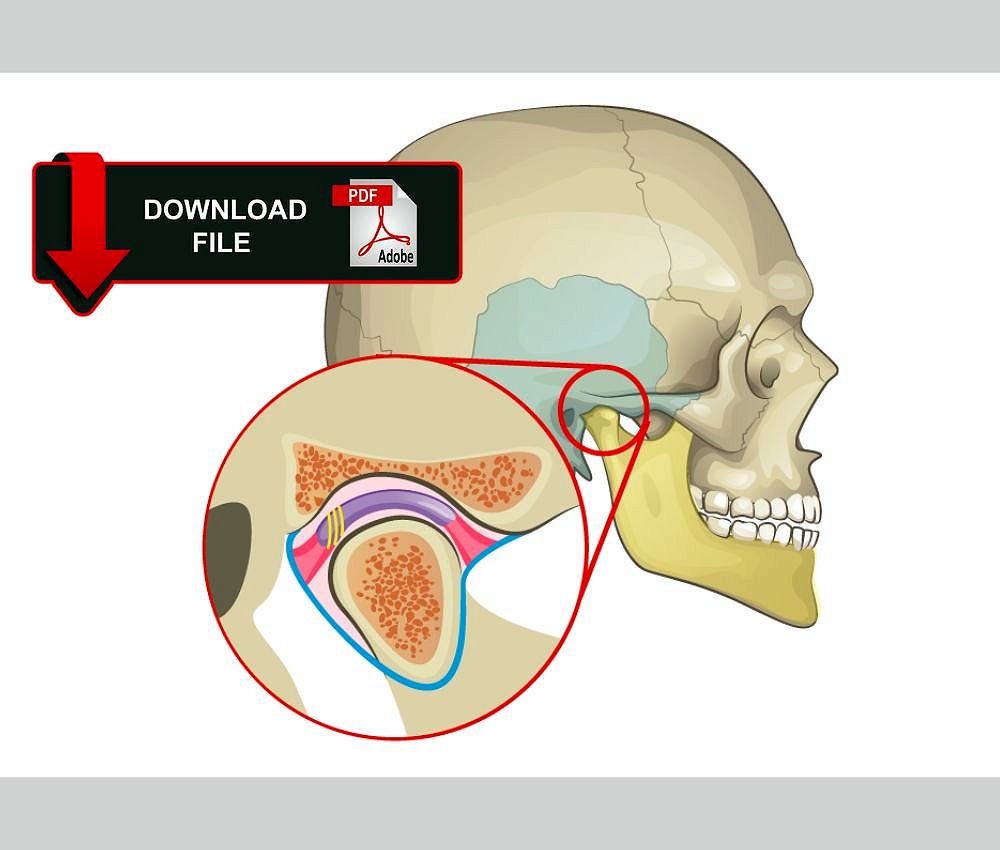
The temporomandibular joint (TMJ) is a complex bilateral synovial articulation that connects the mandible to the temporal bone of the skull. It plays a vital role in essential functions such as mastication, speech, and swallowing. TMJ pathologies, commonly referred to as temporomandibular disorders (TMD), involve muscles, ligaments, or joint structures, and can significantly affect quality of life.

Advertisement

✅ Anatomical Components of the TMJ
The TMJ consists of several components that allow coordinated and smooth mandibular movements.

📊 Comparative Table: Components of the Temporomandibular Joint (TMJ)

Aspect Description Clinical Relevance
Articular Disc Fibrocartilaginous structure between condyle and temporal bone Cushions joint movement and absorbs mechanical stress
Mandibular Condyle Rounded process articulating with the temporal fossa Responsible for rotational and translational movement
Synovial Membrane Lines the joint capsule and produces synovial fluid Lubricates and nourishes joint tissues
Articular Capsule Fibrous tissue enclosing the TMJ Provides protection and stability during movement
✅ Common TMJ Pathologies
TMJ disorders encompass a variety of conditions that affect the joint, muscles, or associated structures.

1. Myofascial Pain Dysfunction Syndrome
Characterized by muscle tenderness, fatigue, and restricted mandibular movement, often related to stress, bruxism, or malocclusion.

2. Internal Derangement
Involves displacement of the articular disc, leading to clicking, locking, or deviation during mouth opening.

📌 Recommended Article :
Video 🔽 How to Reduce a TMJ Dislocation? ... The temporomandibular joint (TMJ) is a joint between the mandible and the temporal bone of the skull. The condyle of the mandible articulates bilaterally in a concavity known as the glenoid fossa or mandibular fossa.
3. Osteoarthritis and Rheumatoid Arthritis
Degenerative and inflammatory processes can cause joint surface erosion, crepitation, and pain during function.

4. Ankylosis
A fusion of the articular surfaces, either bony or fibrous, results in severe restriction of jaw movement.

📌 Recommended Article :
Dental Article 🔽 Myofascial Pain Syndrome in Dentistry: Clinical Impact and Modern Management ... Myofascial pain syndrome (MPS) is one of the most prevalent muscular causes of orofacial and jaw pain, often presenting with facial trigger points and mimicking temporomandibular joint dysfunction (TMJ disorder) or tooth pain.
✅ Symptoms and Clinical Signs
Typical manifestations of TMJ disorders include:

▪️ Pain in the preauricular region
▪️ Clicking or popping sounds
▪️ Limited mouth opening (less than 35 mm)
▪️ Mandibular deviation on opening
▪️ Headache, otalgia, and neck muscle tension

📌 Recommended Article :
Video 🔽 What causes jaw pain? - Painful, clicking jaw? Causes, symptoms and treatment ... The discussion also emphasizes early diagnosis, lifestyle modifications, and evidence-based treatment approaches that help restore comfort and prevent long-term complications.
✅ Etiology and Risk Factors
The causes of TMJ pathologies are multifactorial, including:

▪️ Trauma or microtrauma (bruxism)
▪️ Malocclusion and occlusal interferences
▪️ Psychological stress and muscle hyperactivity
▪️ Systemic diseases (e.g., arthritis)
▪️ Hormonal and genetic predispositions

📌 Recommended Article :
Video 🔽 Massage Tutorial: Myofascial release for TMJ/jaw pain ... The temporomandibular joint can undergo some alterations that cause pain to the patient, and can limit the movements of the jaw. In this syndrome the muscles are also involved.
✅ Diagnosis
A comprehensive clinical examination supported by imaging (MRI, CT, panoramic radiographs) is essential to determine the underlying pathology. Functional assessment of mandibular movements, joint sounds, and muscle palpation aid in differential diagnosis.

✅ Treatment and Management
Management of TMJ pathologies depends on the etiology and severity:

▪️ Conservative therapy: rest, soft diet, moist heat, occlusal splints, and physical therapy.
▪️ Pharmacological management: use of NSAIDs, muscle relaxants, or short-term benzodiazepines.
▪️ Behavioral interventions: stress reduction, biofeedback, and patient education.
▪️ Surgical approaches: indicated for severe disc displacement, ankylosis, or degenerative changes unresponsive to conservative therapy.

📌 Recommended Article :
Dental Article 🔽 Occlusal Splints: Types, Benefits, and Who Needs Them ... Occlusal splints, also known as bite guards, night guards, or dental orthotics, are removable dental devices that cover the occlusal (biting) surfaces of teeth.
💬 Discussion
Early diagnosis and multidisciplinary management improve outcomes for TMJ disorders. Studies show that 80–90% of patients respond to conservative treatment (Scrivani et al., 2008). The integration of occlusal, psychological, and physiotherapeutic approaches offers better long-term stability.

✍️ Conclusion
Temporomandibular disorders (TMD) represent a significant source of orofacial discomfort. Understanding the anatomy, pathophysiology, and management strategies of the TMJ enables dental professionals to deliver effective, patient-centered care. Early intervention and comprehensive evaluation remain key to preventing chronic dysfunction.

📌 Recommended Article :
PDF/Video 🔽 Bruxism: What are the symptoms? How is it diagnosed? ... Bruxism can occur at any age, and must be diagnosed and treated in time to avoid its serious consequences and complications. Treatment is sometimes usually multidisciplinary.
🔎 Recommendations
▪️ Implement routine TMJ evaluation during dental check-ups.
▪️ Educate patients on parafunctional habits and stress management.
▪️ Prioritize non-invasive treatment before surgical alternatives.
▪️ Encourage multidisciplinary collaboration for complex cases.

📚 References

✔ Okeson, J. P. (2020). Management of Temporomandibular Disorders and Occlusion (8th ed.). Elsevier.
✔ Scrivani, S. J., Keith, D. A., & Kaban, L. B. (2008). Temporomandibular disorders. New England Journal of Medicine, 359(25), 2693–2705. https://doi.org/10.1056/NEJMra0802472
✔ Manfredini, D., Guarda-Nardini, L., Winocur, E., Piccotti, F., Ahlberg, J., & Lobbezoo, F. (2011). Research diagnostic criteria for temporomandibular disorders: A systematic review. Journal of Oral Rehabilitation, 38(10), 723–737. https://doi.org/10.1111/j.1365-2842.2011.02207.x

📌 More Recommended Items

► Trismus: Causes, Risk Factors, Prevention, and Treatment Options
► What is temporomandibular disorder? - Concept, diagnosis and current treatment
► What are the consequences of bruxism?

miércoles, 17 de agosto de 2022

What is temporomandibular disorder? - Concept, diagnosis and current treatment

TMD

The temporomandibular joint is formed by the mandibular and the temporal bone of the skull, which together with muscular structures allow movements such as opening, closing, laterality, protrusion and mandibular retrusion.

The etiology of temporomandibular disorders are complex and varied, and it is a challenge for the evaluation, diagnosis and management of this pathology. Treatment can be conservative or surgical.

Advertisement

Learn about the clinical manifestations, causes and consequences of temporomandibular disorders, in addition to the management and treatment of this pathology.

TMD


👇 READ AND DOWNLOAD THE ARTICLE "Temporomandibular Disorders: Current Concepts and Controversies in Diagnosis and Management" IN PDF 👇


Li, D.T.S.; Leung, Y.Y. Temporomandibular Disorders: Current Concepts and Controversies in Diagnosis and Management. Diagnostics 2021, 11, 459. https://doi.org/10.3390/diagnostics11030459

You may also like :
► Temporomandibular disorders (TMD) in children - Clinical examination and treatment
► Is there a relationship between headache and temporomandibular disorder?
► What causes jaw pain?

martes, 5 de julio de 2022

Temporomandibular disorders (TMD) in children - Clinical examination and treatment

TMD

Temporomandibular disorders involve the muscles of mastication and the temporomandibular joint, causing pain and difficulty in chewing. These disorders are not common in children and adolescents, but it is necessary to know the signs and symptoms to be able to identify them.

Diagnosis is through clinical and radiographic examinations, and treatment aims to eliminate pain, improve chewing, and reduce risk factors. In some cases, treatment is multidisciplinary.

Advertisement

The article recommends how to perform a clinical examination and recognize the signs and symptoms of temporomandibular disorders in children, as well as offering treatment options in pediatric patients.

TMJ


👉 READ AND DOWNLOAD "Temporomandibular disorders (TMD) in children - Clinical examination and treatment" IN FULL IN PDF👈


American Academy of Pediatric Dentistry. Acquired temporomandibular disorders in infants, children, and adolescents. The Reference Manual of Pediatric Dentistry. Chicago, Ill.: American Academy of Pediatric Dentistry; 2021:426-34.

You may also like :
► How to Reduce a TMJ Dislocation?
► Massage Tutorial: Myofascial release for TMJ/jaw pain
► VIDEO: Signs and symptoms of TMJ disorders