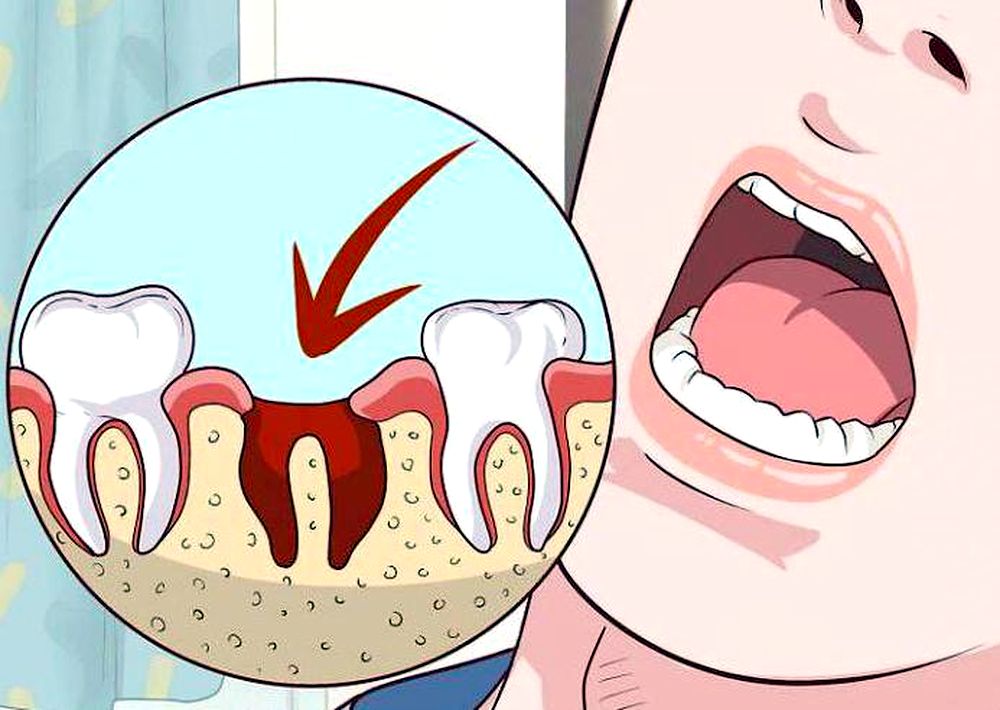
Peri-implant diseases are increasingly prevalent due to the rise in dental implant therapy.
📌 Recommended Article :
Dental Article 🔽 Causes and Complications of Dental Implant Failure ... Dental implantology has revolutionized oral rehabilitation, offering high success rates exceeding 95%. However, implant failure remains a critical challenge influenced by biological, mechanical, and procedural factors.The two main conditions—peri-implant mucositis and periimplantitis—share inflammatory features but differ significantly in severity, progression, and management. Early diagnosis is critical to prevent implant failure.
Advertisement
✅ Introduction
Dental implants are a predictable solution for tooth replacement; however, biological complications such as peri-implant mucositis and periimplantitis can compromise outcomes. Understanding their clinical differences, similarities, and evidence-based treatments is essential for clinicians aiming to ensure long-term implant success.
📌 Recommended Article :
Video 🔽 Dental Implants Post-Op Instructions ... Currently, surgical techniques ensure good results, but the patient must collaborate with the post-operative process.✅ Definition and Etiology
Peri-implant Mucositis
▪️ Reversible inflammatory condition limited to the soft tissues surrounding implants
▪️ Caused primarily by bacterial biofilm accumulation
▪️ No associated bone loss beyond initial remodeling
Periimplantitis
▪️ Progressive inflammatory disease affecting both soft and hard tissues
▪️ Characterized by bleeding on probing, suppuration, and bone loss
▪️ Associated with dysbiosis, host response, and risk factors such as smoking and poor oral hygiene
📌 Recommended Article :
Video 🔽 What's the Difference Between Dental Implants and Bridges? ... Dental implants have a great advantage over other alternatives, and it is thanks to the stability obtained by osseointegration.✅ Key Differences
Reversibility:
▪️ Mucositis → Reversible
▪️ Periimplantitis → Irreversible without intervention
Bone Loss:
▪️ Mucositis → Absent
▪️ Periimplantitis → Present and progressive
Severity:
▪️ Mucositis → Mild inflammation
▪️ Periimplantitis → Severe tissue destruction
📌 Recommended Article :
Video 🔽 What is Peri-implantitis and how do we prevent it? 3D video ... Among the risk factors for the presence of peri-implantitis we can name: bacterial microbiology, occlusal overload, poor oral hygiene, smoking, gum condition.✅ Similarities
▪️ Both are biofilm-induced inflammatory diseases
▪️ Presence of bleeding on probing (BOP)
▪️ Associated with poor plaque control and systemic risk factors
▪️ Require early detection and maintenance therapy
📌 Recommended Article :
Dental Article 🔽 Common Problems with Dental Implants: Signs, Symptoms, and Management ... These complications include failures in osteointegration, peri-implant diseases, mechanical failures, soft-tissue complications, and damage to surrounding anatomical structures.✅ Diagnosis
Clinical parameters:
▪️ Probing depth (PD)
▪️ Bleeding on probing (BOP)
▪️ Suppuration
Radiographic evaluation:
▪️ Essential for detecting bone loss in periimplantitis
📌 Recommended Article :
Dental Article 🔽 Implant Maintenance Protocols: Evidence-Based Strategies to Prevent Peri-Implant Diseases ... Inadequate maintenance increases the risk of peri-implant mucositis and peri-implantitis, the most prevalent biological complications associated with implant therapy.✅ Treatment Approaches
Peri-implant Mucositis
▪️ Non-surgical therapy is effective
- Mechanical debridement
- Antiseptics (e.g., chlorhexidine)
- Improved oral hygiene
Periimplantitis
▪️ Combination therapy required
- Non-surgical debridement (limited effectiveness)
- Surgical intervention (resective or regenerative)
- Adjunctive antibiotics or laser therapy (case-dependent)
📊 Summary Table
| Aspect | Advantages | Limitations |
|---|---|---|
| Peri-implant Mucositis | Reversible, manageable with non-surgical therapy, early intervention prevents progression | Requires strict maintenance, may progress to periimplantitis if untreated |
| Periimplantitis | Can be treated with combined surgical approaches, regenerative potential in selected cases | Irreversible bone loss, complex treatment, higher risk of implant failure |
| Similarities | Both are biofilm-induced, detectable early, preventable with hygiene | Require continuous monitoring and patient compliance |
| Diagnosis | Clinical and radiographic tools allow early detection | Radiographic changes appear late in disease progression |
Although both conditions share a common etiological factor—bacterial biofilm, their clinical implications differ substantially. Peri-implant mucositis acts as a precursor to periimplantitis, highlighting the importance of early intervention. Evidence shows that mucositis is reversible, while periimplantitis often requires complex surgical management and may lead to implant loss if untreated.
✍️ Conclusion
Peri-implant mucositis and periimplantitis represent a continuum of disease progression. Early detection and management of mucositis are critical to prevent irreversible bone loss associated with periimplantitis. Clinicians must emphasize preventive care and maintenance programs.
🎯 Recommendations
▪️ Implement regular maintenance visits and professional cleanings
▪️ Educate patients on optimal oral hygiene techniques
▪️ Identify and manage risk factors (e.g., smoking, diabetes)
▪️ Use early diagnostic tools to detect inflammation
▪️ Apply evidence-based treatment protocols tailored to disease severity
📚 References
✔ Berglundh, T., Armitage, G., Araujo, M. G., et al. (2018). Peri-implant diseases and conditions: Consensus report of workgroup 4 of the 2017 World Workshop. Journal of Clinical Periodontology, 45(S20), S286–S291. https://doi.org/10.1111/jcpe.12957
✔ Heitz-Mayfield, L. J. A., & Salvi, G. E. (2018). Peri-implant mucositis. Journal of Clinical Periodontology, 45(S20), S237–S245. https://doi.org/10.1111/jcpe.12953
✔ Schwarz, F., Derks, J., Monje, A., & Wang, H. L. (2018). Peri-implantitis. Journal of Clinical Periodontology, 45(S20), S246–S266. https://doi.org/10.1111/jcpe.12954
✔ Renvert, S., & Polyzois, I. (2015). Risk indicators for peri-implant mucositis: A systematic literature review. Journal of Clinical Periodontology, 42(S16), S172–S186. https://doi.org/10.1111/jcpe.12346
📌 More Recommended Items
► Dental Implants: What They Are, How They're Placed, and How Long They Last
► Best Options for Replacing Missing Teeth: Dental Implants, Bridges, and Dentures Explained
► Dental Implant Aftercare: Postoperative Guide for Healing and Success