Mostrando entradas con la etiqueta Aligners. Mostrar todas las entradas

domingo, 26 de abril de 2026

Invisalign 3D Printing Revolution: Future of Orthodontics

Invisalign 3D

The integration of advanced 3D printing technologies into clear aligner therapy marks a turning point in orthodontics.

📌 Recommended Article :
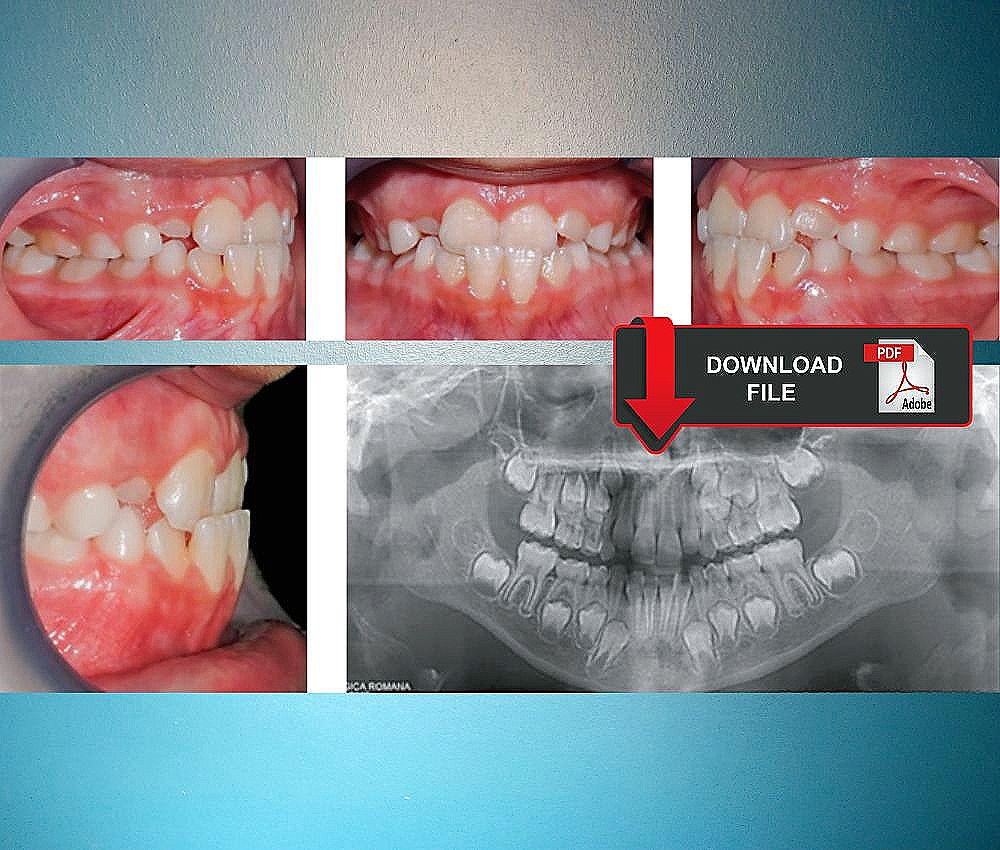
PDF 🔽 Clear Aligners for Early Treatment of Anterior Crossbite - Indications and Benefits ... We share an article that presents the advantages and benefits of transparent aligners in the correction of anterior crossbite in patients with mixed dentition, regarding two reported cases.
Companies like Align Technology are moving toward direct 3D-printed aligners, improving efficiency, scalability, and treatment precision. This article analyzes the latest developments, clinical implications, and future impact of this digital transformation.

Advertisement

Introduction
Orthodontics is undergoing a major shift driven by digital workflows and additive manufacturing. The rise of clear aligners, particularly Invisalign, has already transformed patient expectations. Now, the transition from thermoformed aligners to directly 3D-printed appliances represents a new technological milestone.
This innovation is not only a manufacturing upgrade but also a paradigm shift in treatment planning and delivery.

📌 Recommended Article :
Dental Article 🔽 Most Used Interceptive Orthodontic Appliances: Indications and Uses ... This article reviews the most commonly used interceptive orthodontic appliances, their indications, and clinical objectives, supported by current scientific evidence.
What Is the 3D Printing Revolution in Invisalign?
Traditionally, Invisalign aligners are produced by:

1. Creating a 3D digital model
2. Printing physical molds
3. Thermoforming plastic over those models

New approach: Direct 3D printing
▪️ Aligners are printed directly without molds
▪️ Use of biocompatible photopolymer resins
▪️ Greater control over thickness and force application
👉 This reduces production steps and enhances customization.

📌 Recommended Article :
Dental Article 🔽 Orthodontic Treatment Options: Braces vs Aligners ... Orthodontic treatment has evolved significantly with the introduction of clear aligner systems as an alternative to conventional fixed appliances.
Key Innovations Driving the Change

1. Advanced Materials
▪️ Development of next-generation flexible resins
▪️ Improved elastic memory and force consistency

2. Precision Engineering
▪️ Ability to vary aligner thickness in specific areas
▪️ More controlled tooth movement biomechanics

3. Mass Customization
▪️ Fully digital workflow from scan to delivery
▪️ Scalable production for millions of patients

📌 Recommended Article :
Dental Article 🔽 Oral Health Consequences of Asthma in Children and Adolescents: Dental Risks and Preventive Strategies ... Understanding these oral health consequences of pediatric asthma is essential for early prevention and effective interdisciplinary management.
Clinical Implications

1. Improved Treatment Accuracy
Direct 3D printing allows more precise force delivery, potentially reducing:
▪️ Refinements
▪️ Mid-treatment corrections

2. Shorter Treatment Times
▪️ Faster production cycles
▪️ Immediate fabrication after digital planning

3. Enhanced Patient Experience
▪️ Better fit and comfort
▪️ Reduced chair time
▪️ Fewer appointments

4. Expanded Indications
This technology may allow aligners to treat:
▪️ More complex malocclusions
▪️ Cases traditionally limited to fixed appliances

📌 Recommended Article :
Dental Article 🔽 Clear Aligners in General Practice: Case Selection & Common Mistakes ... However, appropriate case selection and awareness of common errors are critical for achieving predictable results. This article provides an updated, evidence-based clinical guide.
💬 Discussion
The shift toward direct 3D-printed aligners reflects a broader trend in dentistry: full digital integration. While current thermoforming systems are effective, they have inherent limitations in material uniformity and force distribution.
However, challenges remain:
▪️ Regulatory approval of new materials
▪️ Long-term clinical validation
▪️ Cost of implementation for clinics
Despite this, early developments suggest that 3D printing could surpass traditional aligner manufacturing in both efficiency and clinical outcomes.

✍️ Conclusion
The Invisalign 3D printing revolution represents a significant leap toward fully digital orthodontics. With improved precision, faster production, and enhanced customization, this innovation is poised to reshape the future of orthodontic treatment.

🎯 Recommendations
▪️ Stay updated on emerging 3D printing materials and protocols
▪️ Integrate intraoral scanning and digital workflows
▪️ Evaluate clinical evidence before adopting new systems
▪️ Educate patients about new-generation aligner technologies

📚 References

✔ Align Technology, Inc. (2023). Annual Report 2023. Retrieved from https://investor.aligntech.com
✔ Keßler, A., Reymus, M., & Hickel, R. (2020). 3D printing in dentistry—State of the art. Operative Dentistry, 45(1), 30–40. https://doi.org/10.2341/18-229-L
✔ Jindal, P., Juneja, M., Siena, F. L., et al. (2020). 3D printing in orthodontics: A literature review. Journal of Clinical Orthodontics, 54(8), 1–8.
✔ Grunheid, T., Loh, C., & Larson, B. E. (2014). How accurate is Invisalign in nonextraction cases? Angle Orthodontist, 84(5), 809–815. https://doi.org/10.2319/011614-040.1
✔ Javaid, M., & Haleem, A. (2019). Current status and applications of additive manufacturing in dentistry. Journal of Oral Biology and Craniofacial Research, 9(3), 179–185. https://doi.org/10.1016/j.jobcr.2019.04.004

📌 More Recommended Items

Crossbite in Children: Why Early Correction Matters and Which Appliances Are Used
Maxillary Orthopedics vs. Interceptive Orthodontics: Understanding Their Clinical Differences
Pacifier Use in Infants: Dental Risks and Recommendations

miércoles, 22 de abril de 2026

Clear Aligners in General Practice: Case Selection & Common Mistakes

Clear Aligners

Clear aligners have transformed orthodontic care in general dental practice, offering aesthetic and comfortable alternatives to fixed appliances.

📌 Recommended Article :
PDF 🔽 Clear Aligners for Early Treatment of Anterior Crossbite - Indications and Benefits ... We share an article that presents the advantages and benefits of transparent aligners in the correction of anterior crossbite in patients with mixed dentition, regarding two reported cases.
However, appropriate case selection and awareness of common errors are critical for achieving predictable results. This article provides an updated, evidence-based clinical guide.

Advertisement

Introduction
The increasing demand for esthetic orthodontic solutions has led to widespread adoption of clear aligner therapy (CAT). Advances in digital planning and biomaterials have expanded indications, yet limitations remain in complex tooth movements. General practitioners must integrate diagnostic precision and biomechanical understanding into their workflows.

📌 Recommended Article :
Dental Article 🔽 Orthodontic Treatment Options: Braces vs Aligners ... This article critically compares braces vs clear aligners, focusing on treatment efficiency, indications, limitations, and success rates.
Case Selection for Clear Aligners
Proper case selection is fundamental for treatment success.

Ideal Indications
▪️ Mild to moderate crowding (≤5 mm)
▪️ Spacing and minor relapse cases
▪️ Mild Class I malocclusions
▪️ Non-extraction cases with limited tooth movement

Relative Contraindications
▪️ Severe skeletal discrepancies
▪️ Complex malocclusions (e.g., severe Class II or III)
▪️ Significant rotations (>20°)
▪️ Extrusion of teeth (especially anterior)
▪️ Poor patient compliance
Patient compliance is a decisive factor, as aligners require 20–22 hours of daily wear.

📌 Recommended Article :
Dental Article 🔽 MBT vs Roth vs Edgewise Brackets: Key Differences in Orthodontic Prescriptions ... These prescriptions differ primarily in the amount of built-in torque, tip, and in-out values, which directly affect tooth positioning and treatment mechanics.
Common Mistakes in General Practice
Despite technological advancements, several errors compromise outcomes:

1. Inadequate Diagnosis
Failure to perform comprehensive assessment (including radiographs and occlusal analysis) may lead to incorrect treatment planning.

2. Overestimating Indications
Attempting complex cases beyond aligner capabilities often results in unfinished treatments or need for refinements.

3. Poor Attachment Planning
Attachments are essential for predictable tooth movement, particularly for rotations and extrusions.

4. Ignoring Interproximal Reduction (IPR)
Lack of proper space management may compromise alignment and lead to suboptimal results.

5. Insufficient Monitoring
Regular follow-up is crucial to detect tracking issues and ensure biomechanical accuracy.

💬 Discussion
The integration of clear aligners into general practice has improved patient acceptance and expanded treatment options. However, clinical success depends on case selection, digital planning accuracy, and adherence to biomechanical principles.
Evidence suggests that while aligners are effective for mild to moderate malocclusions, fixed appliances remain superior in complex movements, such as torque control and significant root positioning.

📊 Summary Table: Brackets vs Clear Aligners

Treatment Feature Fixed Brackets Clear Aligners
Aesthetics Low (visible metal components) High (transparent and discreet)
Patient Comfort Moderate discomfort due to wires and brackets Higher comfort with smooth plastic trays
Treatment Complexity Effective for simple to complex cases Best for mild to moderate cases
Oral Hygiene More difficult to maintain Easier due to removability
Compliance Requirement Low (fixed appliance) High (requires patient adherence)
Treatment Control High precision in complex movements Limited in certain movements (e.g., torque, extrusion)
🎯 Recommendations
▪️ Select cases conservatively, especially during early clinical experience
▪️ Utilize comprehensive diagnostic records, including CBCT when indicated
▪️ Plan attachments and IPR carefully based on digital simulation
▪️ Schedule regular follow-ups (4–6 weeks) to monitor tracking
▪️ Educate patients about strict compliance requirements

✍️ Conclusion
Clear aligners are a valuable tool in general dental practice, but their success depends heavily on proper case selection and avoidance of common clinical errors. Dentists must combine digital planning with sound orthodontic principles to ensure predictable and stable outcomes.

📚 References

✔ Rossini, G., Parrini, S., Castroflorio, T., Deregibus, A., & Debernardi, C. L. (2015). Efficacy of clear aligners in controlling orthodontic tooth movement: A systematic review. The Angle Orthodontist, 85(5), 881–889. https://doi.org/10.2319/061614-436.1
✔ Papadimitriou, A., Mousoulea, S., Gkantidis, N., & Kloukos, D. (2018). Clinical effectiveness of Invisalign® orthodontic treatment: A systematic review. Progress in Orthodontics, 19(1), 37. https://doi.org/10.1186/s40510-018-0235-z
✔ Ke, Y., Zhu, Y., & Zhu, M. (2019). A comparison of treatment effectiveness between clear aligner and fixed appliance therapies. BMC Oral Health, 19(1), 24. https://doi.org/10.1186/s12903-018-0695-z
✔ Kravitz, N. D., Kusnoto, B., Begole, E., Obrez, A., & Agran, B. (2009). How well does Invisalign work? A prospective clinical study. American Journal of Orthodontics and Dentofacial Orthopedics, 135(1), 27–35. https://doi.org/10.1016/j.ajodo.2007.05.018

📌 More Recommended Items

Most Common Oral Habits in Children and Their Impact on Teeth
Maxillary Orthopedics vs. Interceptive Orthodontics: Key Differences, Similarities, and Treatments
Tooth extractions in orthodontics? - Why Do Orthodontists Extract Teeth?

domingo, 5 de abril de 2026

Orthodontic Treatment Options: Braces vs Aligners

Braces vs Aligners

Orthodontic treatment has evolved significantly with the introduction of clear aligner systems as an alternative to conventional fixed appliances.

📌 Recommended Article :
Dental Article 🔽 MBT vs Roth vs Edgewise Brackets: Key Differences in Orthodontic Prescriptions ... These prescriptions differ primarily in the amount of built-in torque, tip, and in-out values, which directly affect tooth positioning and treatment mechanics.
This article critically compares braces vs clear aligners, focusing on treatment efficiency, indications, limitations, and success rates. Evidence-based data are presented to guide clinical decision-making.
Advertisement

Introduction
Malocclusion management remains a central component of modern dentistry, with increasing demand for aesthetic and minimally invasive solutions. Traditional fixed appliances (braces) have long been considered the gold standard; however, clear aligners have gained widespread popularity due to their aesthetic appeal and patient comfort. Understanding their differences and clinical performance is essential for optimal treatment planning.

1. Overview of Orthodontic Systems

Fixed Appliances (Braces)
Braces consist of brackets, archwires, and auxiliaries that apply continuous forces to teeth. They are highly versatile and effective in managing complex malocclusions.

Clear Aligners
Clear aligners are removable thermoplastic trays designed through digital planning to incrementally move teeth. Systems such as Invisalign have transformed orthodontic practice.

📌 Recommended Article :
Dental Article 🔽 What Is Interceptive Orthodontics and Why Is It Important? ... Interceptive orthodontics does not replace comprehensive orthodontic treatment, but it significantly simplifies future therapy.
2. Differences Between Braces and Clear Aligners
Parameter Braces Clear Aligners
Mechanics Continuous force application Intermittent force application
Visibility Highly visible Nearly invisible
Removability Fixed appliance Removable trays
Compliance Dependency Low High
Oral Hygiene More challenging Easier to maintain
3. Similarities
Despite their differences, both modalities:

▪️ Aim to achieve optimal occlusion and aesthetics
▪️ Use controlled biomechanical forces
▪️ Require retention protocols post-treatment
▪️ Demonstrate high success rates when properly indicated

4. Treatment Duration

▪️ Braces: Typically 18–30 months depending on case complexity
▪️ Clear Aligners: Approximately 12–24 months in mild to moderate cases
Evidence suggests that treatment time is comparable in mild cases but may be prolonged with aligners in complex movements such as extrusion, rotation, or severe crowding.

📌 Recommended Article :
Dental Article 🔽 Do Wisdom Teeth Cause Dental Crowding? Updated Evidence and Clinical Insights ... Wisdom teeth, or third molars, typically erupt between the ages of 17 and 21, coinciding with the period when patients often notice anterior crowding of the mandibular incisors.
5. Limitations During Treatment

Braces
▪️ Dietary restrictions (avoid hard/sticky foods)
▪️ Oral hygiene challenges
▪️ Increased risk of enamel demineralization

Clear Aligners
▪️ Strict compliance required (20–22 hours/day)
▪️ Limited effectiveness in complex cases
▪️ Potential for loss or damage

📌 Recommended Article :
Dental Article 🔽 Maxillary Orthopedics vs. Interceptive Orthodontics: Key Differences, Similarities, and Treatments ... Maxillary orthopedics and interceptive orthodontics are closely related but distinct fields. While both aim to improve oral and facial harmony in growing patients, their approaches, timing, and appliances differ.
6. Success Rates

Clinical studies indicate:
▪️ Braces: Success rates exceed 90% across all malocclusion types
▪️ Clear Aligners: Comparable success (80–90%) in mild to moderate cases

However, aligners show reduced predictability in:
▪️ Severe rotations (>20°)
▪️ Vertical tooth movements
▪️ Complex extraction cases

📌 Recommended Article :
Dental Article 🔽 Palatal Expansion and Maxillary Disjunction: Comprehensive Guide to Palatal Expanders in Orthodontics ... Palatal Expansion and Maxillary Disjunction: Comprehensive Guide to Palatal Expanders in Orthodontics.
💬 Discussion
The choice between braces and clear aligners should be guided by clinical complexity, patient compliance, and aesthetic expectations. While aligners offer superior comfort and aesthetics, they are highly dependent on patient adherence. Conversely, braces provide greater biomechanical control, making them preferable for complex orthodontic cases.
Recent advancements in aligner materials and digital treatment planning have improved outcomes; however, limitations remain in achieving certain tooth movements predictably.

✍️ Conclusion
Both braces and clear aligners are effective orthodontic treatment options, with distinct advantages and limitations. Braces remain the gold standard for complex malocclusions, whereas clear aligners are ideal for patients prioritizing aesthetics and comfort in mild to moderate cases.

🎯 Clinical Recommendations
▪️ Use braces for severe crowding, extractions, and complex biomechanics
▪️ Recommend clear aligners for compliant patients with mild to moderate malocclusions
▪️ Emphasize patient education to improve compliance and outcomes
▪️ Implement strict retention protocols regardless of treatment modality

📚 References

✔ Buschang, P. H., Shaw, S. G., Ross, M., Crosby, D., & Campbell, P. M. (2014). Comparative time efficiency of aligner therapy and conventional edgewise braces. American Journal of Orthodontics and Dentofacial Orthopedics, 145(4), 451–458. https://doi.org/10.1016/j.ajodo.2013.10.022
✔ Papageorgiou, S. N., Koletsi, D., Iliadi, A., Peltomäki, T., & Eliades, T. (2020). Treatment outcome with orthodontic aligners and fixed appliances: A systematic review with meta-analyses. European Journal of Orthodontics, 42(3), 331–343. https://doi.org/10.1093/ejo/cjz094
✔ Rossini, G., Parrini, S., Castroflorio, T., Deregibus, A., & Debernardi, C. L. (2015). Efficacy of clear aligners in controlling orthodontic tooth movement: A systematic review. Angle Orthodontist, 85(5), 881–889. https://doi.org/10.2319/061614-436.1
✔ Ke, Y., Zhu, Y., & Zhu, M. (2019). A comparison of treatment effectiveness between clear aligner and fixed appliance therapies. BMC Oral Health, 19(1), 24. https://doi.org/10.1186/s12903-018-0695-z

📌 More Recommended Items

Bionator Appliance: Objectives, Indications, Advantages and Disadvantages
Space Maintainer in Pediatric Dentistry: How do they work? Benefits and indications
Early Orthodontic Treatment: The Essential Knowledge for a General Dental Practitioner

lunes, 15 de agosto de 2022

Clear Aligners for Early Treatment of Anterior Crossbite - Indications and Benefits

Orthodontics

Anterior crossbite is a sagittal plane malocclusion, and is characterized when one or more upper incisors have a lingual position with respect to the lower incisors.

The detection and treatment of the anterior crossbite must be at an early age, in this way we stop the factors that trigger this malocclusion and avoid abnormal growth of the jaws.

Advertisement

We share an article that presents the advantages and benefits of transparent aligners in the correction of anterior crossbite in patients with mixed dentition, regarding two reported cases.

Orthodontics


👉 READ AND DOWNLOAD "Esthetic options for anterior primary teeth - Characteristics" IN FULL IN PDF👈


Staderini E, Patini R, Meuli S, Camodeca A, Guglielmi F, Gallenzi P. Indication of clear aligners in the early treatment of anterior crossbite: a case series. Dental Press J Orthod. 2020 Jul-Aug;25(4):33-43

You may also like :
Pseudo class III treatment in 2-year-old children
Early Treatment of Anterior Crossbite with Eruption Guidance Appliance: A Case Report
Diagnosing Early Interceptive Orthodontic Problems – Part 1