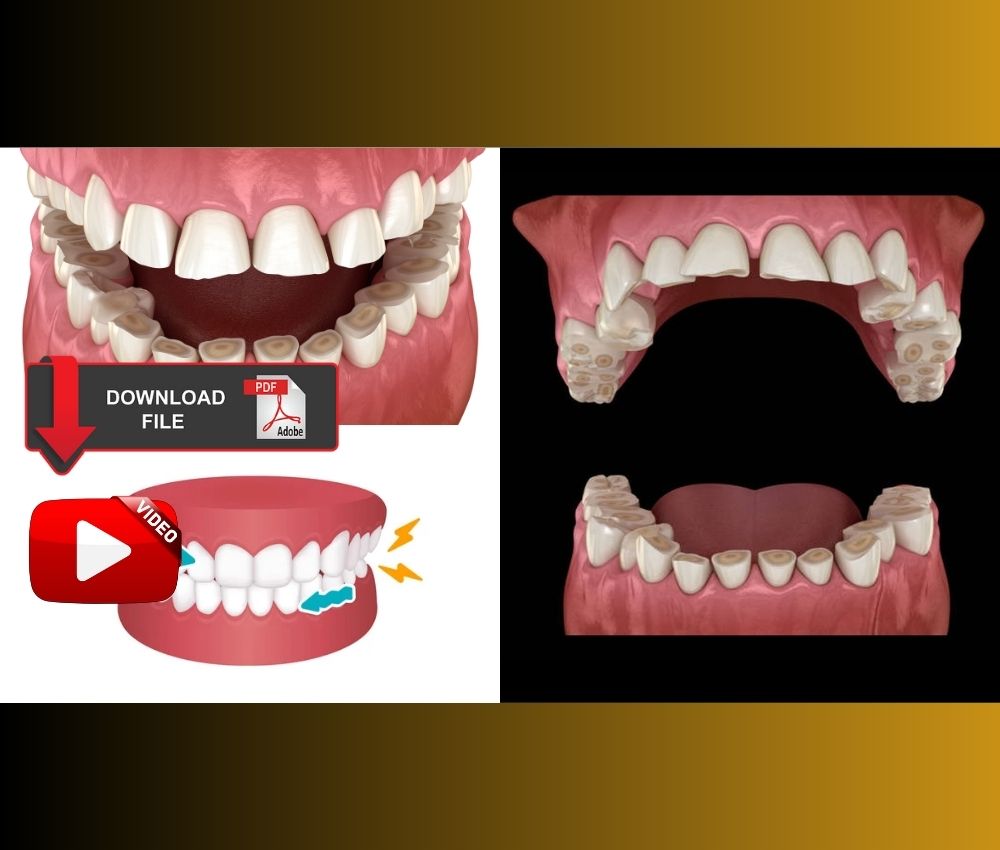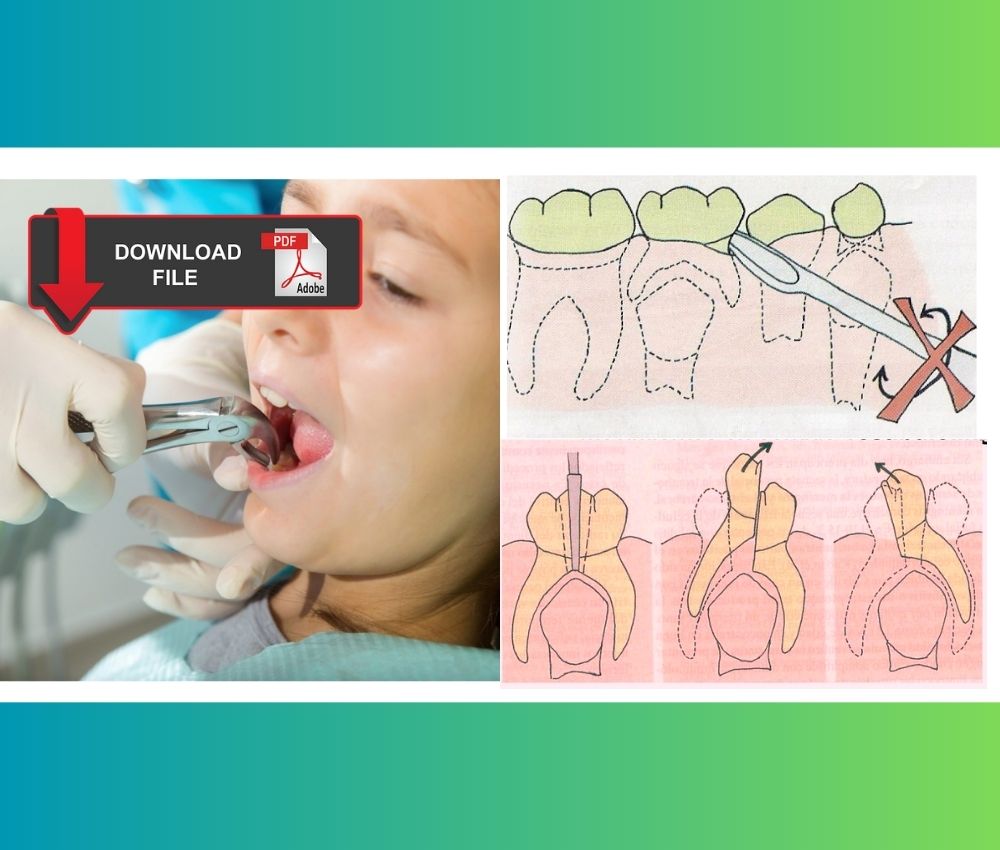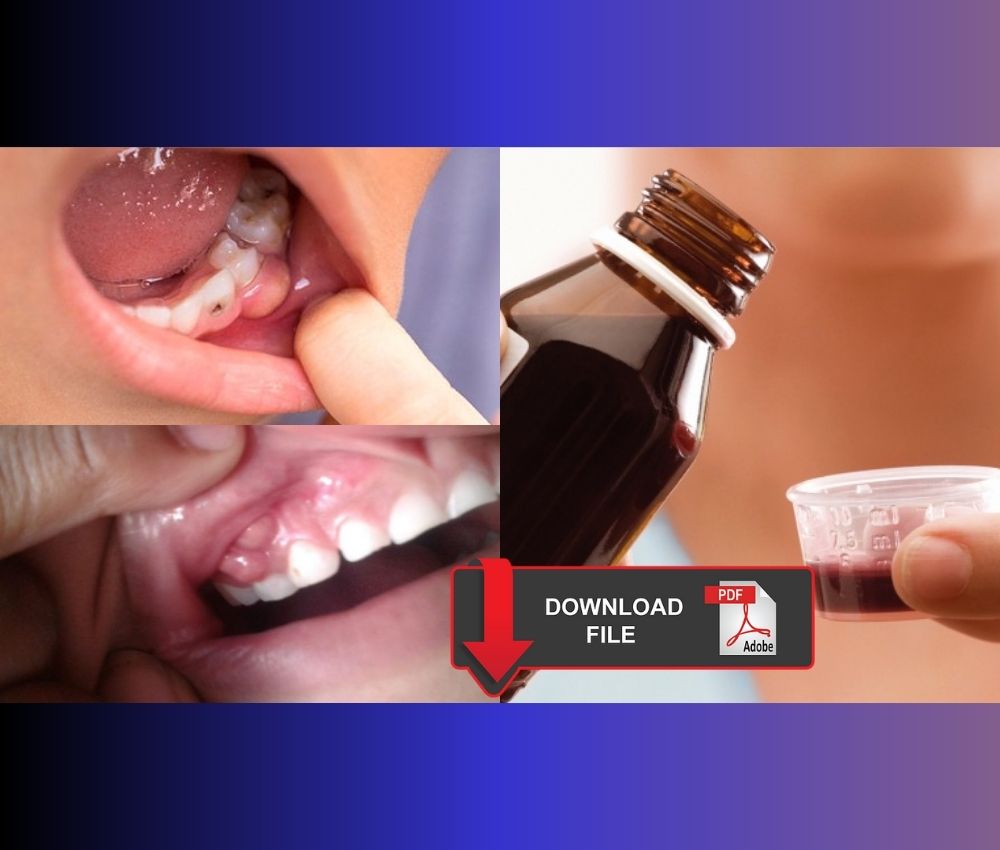
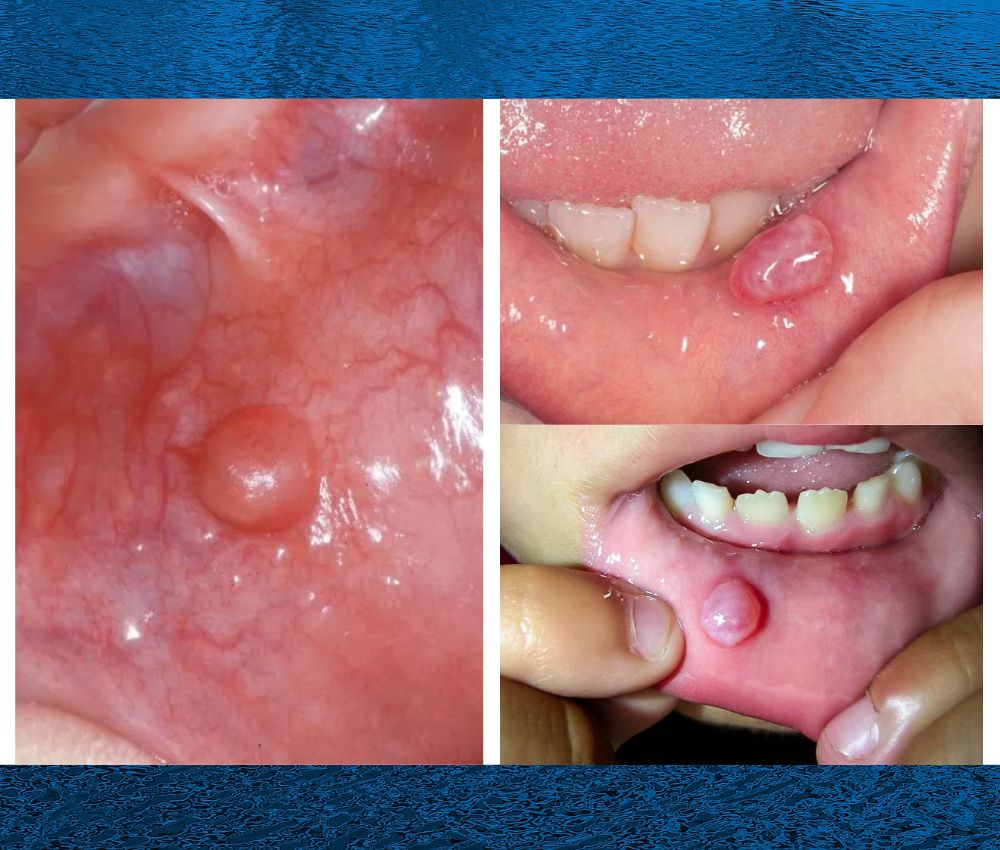
Mostrando entradas con la etiqueta Pediatric Dentistry. Mostrar todas las entradas

jueves, 4 de diciembre de 2025

Clinical Management of Molar–Incisor Hypomineralization (MIH): Updated Evidence-Based Guide

Molar–Incisor Hypomineralization

Molar–Incisor Hypomineralization (MIH) is a developmental enamel defect affecting one to four permanent first molars and often the permanent incisors.

📌 Recommended Article :
Dental Article 🔽 Enamel Hypoplasia vs Dental Fluorosis: Key Differences, Diagnosis, and Treatment ... While both conditions alter enamel structure and appearance, their etiology, presentation, and management differ significantly.
Characterized by demarcated opacities, post-eruptive breakdown, hypersensitivity, and increased caries risk, MIH presents significant treatment challenges in pediatric dentistry. Early recognition and evidence-based management are essential for long-term oral health.

Advertisement

Definition and Clinical Features
MIH is defined as a qualitative defect of enamel mineralization with normal enamel thickness but reduced hardness and increased porosity. Typical clinical findings include:

▪️ Demarcated opacities (white, yellow, or brown).
▪️ Post-eruptive enamel breakdown (PEB) shortly after eruption.
▪️ Severe dentin hypersensitivity, often disproportionate to clinical appearance.
▪️ High caries susceptibility due to compromised enamel structure.
▪️ Rapid restoration failure, especially in molars affected by PEB.

📌 Recommended Article :
Dental Article 🔽 Molar-Incisor Hypomineralization and Enamel Hypoplasia: Updated Clinical Approaches in Pediatric Dentistry ... Differentiating them is critical, as each condition requires a distinct diagnostic and therapeutic approach. This article presents the latest scientific evidence on their definition, etiology, diagnosis, and modern management.
Etiology
Although MIH’s exact cause remains multifactorial, current evidence highlights:

▪️ Prenatal and perinatal complications
▪️ Childhood respiratory diseases
▪️ Fever of early childhood
▪️ Environmental toxins (e.g., dioxins)
▪️ Genetic predisposition affecting amelogenesis

These factors disrupt ameloblast activity during mineralization of first permanent molars and incisors.

📌 Recommended Article :
PDF 🔽 Hall Technique Procedure Manual: Advantages, Disadvantages, Step-by-Step Procedure ... The Hall technique is a safe and effective procedure that prevents the advance of dental caries in primary teeth. One of its great advantages is its low cost and little prior preparation.
Clinical Diagnosis
Diagnosis is clinical and based on:

▪️ Demarcated opacities with clear boundaries
▪️ Opacity color indicating severity (white less than yellow-brown)
▪️ Post-eruptive breakdown
▪️ Hypersensitivity not explained by caries
▪️ Atypical restorations on newly erupted permanent molars
Early diagnosis allows prompt preventive reinforcement and staged treatment planning.

📌 Recommended Article :
Dental Article 🔽 Enamel Hypoplasia vs Molar-Incisor Hypomineralization (MIH): Diagnosis and Modern Management ... This article explores their etiology, clinical characteristics, and modern treatment options, providing a comprehensive guide for accurate diagnosis and management.
Management Strategies

1. Prevention and Sensitivity Control
▪️ Use 5% sodium fluoride varnish to enhance remineralization.
▪️ CPP-ACP creams reduce hypersensitivity and improve enamel integrity.
▪️ Desensitizing dentifrices with arginine or stannous fluoride may help.

2. Minimally Invasive Restorative Approaches
▪️ Resin infiltration for mild opacities on incisors.
▪️ Glass ionomer cement (GIC) as a temporary restoration in hypersensitive molars.
▪️ Fissure sealants for mild MIH without structural loss.

3. Definitive Restorative Treatment
▪️ Resin composite for moderate breakdown, though longevity is limited.
▪️ Stainless steel crowns (SSC) are the gold standard for severely affected molars, reducing sensitivity and restoring function.
▪️ Indirect restorations (e.g., onlays) in permanent dentition.

4. Extraction Planning
Early extraction of first permanent molars may be indicated in severe cases where long-term prognosis is poor, ideally between 8–10 years, considering orthodontic outcomes.

📊 Comparative Table: Differential Diagnosis of MIH

Aspect Advantages Limitations
Fluorosis Symmetrical; diffuse opacities; usually no PEB May resemble white MIH lesions; requires careful history
Amelogenesis Imperfecta Generalized involvement; clear genetic pattern Severe enamel defects may mimic MIH; affects all teeth

💬 Discussion
MIH requires individualized care due to its wide variability in severity and patient discomfort. Restorations tend to fail more often compared to sound enamel, particularly when moisture control is compromised or hypersensitivity impedes cooperation. The use of bioactive materials, SSCs, and minimal intervention approaches has significantly improved outcomes. Long-term follow-up is essential, as MIH is a chronic condition requiring ongoing preventive support.

📌 Recommended Article :
PDF 🔽 Anterior dental esthetics in primary teeth - Oral Rehabilitation ... We share an article that evaluates the advantages and disadvantages of different aesthetic options to restore primary teeth that have been affected by extensive caries or a fracture.
✍️ Conclusion
Effective management of Molar–Incisor Hypomineralization depends on early diagnosis, prevention, and appropriate restorative strategies based on severity. The integration of bioactive materials, fluoride therapies, and SSCs enhances prognosis. Clinicians must provide continuous monitoring and individualized care to reduce pain, prevent caries progression, and maintain long-term function.

🔎 Recommendations
▪️ Prioritize early diagnosis during the eruption period.
▪️ Apply high-fluoride varnish and desensitizing protocols regularly.
▪️ Use SSCs in cases of severe PEB for long-term stability.
▪️ Consider resin infiltration for aesthetic management of incisor opacities.
▪️ Evaluate orthodontic implications before extracting compromised molars.
▪️ Schedule frequent recall visits (every 3–6 months).

📚 References

✔ Alaluusua, S. (2010). Aetiology of molar–incisor hypomineralisation: A systematic review. European Archives of Paediatric Dentistry, 11(2), 53–58. https://doi.org/10.1007/BF03262713
✔ Elhennawy, K., & Schwendicke, F. (2016). Managing molar–incisor hypomineralization: A systematic review. Journal of Dentistry, 55, 1–9. https://doi.org/10.1016/j.jdent.2016.09.012
✔ Fagrell, T. G., Ludvigsson, J., & Lundin, S. A. (2011). Childhood illnesses and molar incisor hypomineralization. Acta Odontologica Scandinavica, 69(4), 234–244. https://doi.org/10.3109/00016357.2010.549502
✔ Weerheijm, K. L. (2003). Molar incisor hypomineralisation (MIH): Clinical presentation and management. Dental Update, 30(1), 9–12. https://doi.org/10.12968/denu.2003.30.1.9

📌 More Recommended Items

Esthetic restoration of deciduous anterior teeth using prefabricated zirconia crowns: A case report
ORAL REHABILITATION of a child with dentinogenesis imperfecta
How to Diagnose and Manage MIH and Enamel Hypoplasia in Daily Dental Practice

Pulp Capping in Dentistry: How the Dental Pulp Is Protected (Updated Clinical Guide)

Pulp Capping

Pulp capping is a key minimally invasive procedure used to preserve the vitality of the dental pulp after exposure or near exposure due to caries or trauma.

📌 Recommended Article :
Sental Article 🔽 Calcium Hydroxide in Pediatric Dentistry: Benefits and Limitations ... Calcium hydroxide has been one of the most widely used biomaterials in pediatric dentistry for several decades. Its biological properties, high alkalinity, and ability to stimulate hard tissue formation have made it a cornerstone in pulp therapy procedures.
Modern bioactive materials—including calcium hydroxide, MTA, and Biodentine—have significantly improved success rates by promoting dentin bridge formation and reducing pulpal inflammation.

Advertisement

What Is Pulp Capping?
Pulp capping is a conservative dental procedure in which a biocompatible and bioactive material is placed over the pulp or affected dentin to stimulate healing, reduce inflammation, and promote reparative dentin formation. It is indicated in cases of:

▪️ Deep caries approaching the pulp
▪️ Mechanical exposure during cavity preparation
▪️ Traumatic exposure in young teeth with open apices
▪️ Reversible pulpitis

Two main types exist:
▪️ Direct pulp capping – placed directly over an exposed pulp.
▪️ Indirect pulp capping – placed over deep dentin close to the pulp but without exposure.

📌 Recommended Article :
Dental Article 🔽 Understanding Pulpal Diseases: Reversible Pulpitis, Irreversible Pulpitis, and Pulp Necrosis in Adults and Children ... Pulpal diseases represent a continuum of inflammatory conditions that range from reversible pulpitis to irreversible pulpitis and finally to pulp necrosis.
Mechanism of Action
Modern pulp-capping materials protect the pulp through several biological processes:

▪️ Antibacterial activity (e.g., calcium hydroxide has high pH).
▪️ Sealing ability that prevents microleakage.
▪️ Bioactivity, stimulating odontoblast-like cell differentiation.
▪️ Release of calcium ions, promoting mineralization and dentin bridge formation.
▪️ Reduction of pulpal inflammation and support of tissue regeneration.

📌 Recommended Article :
Dental Article 🔽 Pulp Therapy in Pediatric Dentistry: Complete and Updated Guide ... Pulp therapy in pediatric dentistry includes a wide range of procedures aimed at preserving pulp health and tooth function in both primary and immature permanent teeth.
Common Materials and Commercial Names

1. Calcium Hydroxide (Ca(OH)₂)
Commercial names: Dycal®, Life®, Calcimol®
Key actions: High pH antibacterial effect; stimulates mineralized bridge formation.

2. Mineral Trioxide Aggregate (MTA)
Commercial names: ProRoot® MTA, MTA Angelus®
Key actions: Excellent sealing, biocompatibility, promotes strong dentin bridge formation.

3. Biodentine® (Tricalcium Silicate Cement)
Commercial name: Biodentine® (Septodont)
Key actions: Bioactivity, fast setting time, high mechanical strength, pulp regeneration support.

4. Resin-Modified Calcium Silicate Materials
Commercial names: TheraCal LC®, BioCal®
Key actions: Light-cured convenience, calcium release, improved handling properties.

📊 Comparative Table: Pulp Capping Materials

Aspect Advantages Limitations
Calcium Hydroxide Antibacterial; inexpensive; widely available Poor long-term seal; tunnel defects in dentin bridge
MTA Excellent sealing; high biocompatibility; strong dentin bridge Long setting time; higher cost; potential discoloration

💬 Discussion
Advances in bioceramic materials have transformed pulp protection, offering predictable outcomes with high long-term vitality rates. MTA and Biodentine outperform traditional calcium hydroxide in sealing ability and dentin bridge quality, although calcium hydroxide remains widely used due to affordability and ease of application. Material selection depends on exposure type, tooth vitality, patient age, and clinical resources.

📌 Recommended Article :
Dental Article 🔽 CTZ Paste in Primary Teeth Pulp Therapy: Indications, Benefits and Clinical Protocol ... The use of CTZ paste (Chloramphenicol–Tetracycline–Zinc Oxide) in primary teeth remains a topic of interest, especially in cases of infected primary molars where traditional pulpectomy is not feasible.
✍️ Conclusion
Modern pulp capping techniques effectively protect the dental pulp, arrest inflammation, and promote natural dentin regeneration. Evidence consistently supports bioactive materials—particularly MTA and Biodentine—as the gold standard for vital pulp therapy. Appropriate case selection and strict isolation significantly increase long-term success.

🔎 Recommendations
▪️ Use rubber dam isolation to prevent contamination during pulp capping.
▪️ Prefer MTA or Biodentine for direct exposures in young permanent teeth.
▪️ Use indirect pulp capping when possible to avoid unnecessary pulpal exposure.
▪️ Follow up clinically and radiographically at 6 and 12 months.
▪️ Educate patients about symptoms of pulpal complications (persistent pain, swelling).

📚 References

✔ Bjørndal, L., & Ludwig, S. (2022). Management of deep caries and pulpal protection strategies. International Endodontic Journal, 55(Suppl. 1), 59–73. https://doi.org/10.1111/iej.13743
✔ Celik, E. U., & Unever, S. (2020). Success rates of pulp capping materials in vital pulp therapy. Journal of Endodontics, 46(8), 1061–1067. https://doi.org/10.1016/j.joen.2020.04.008
✔ Cox, C. F., Subay, R. K., Suzuki, S., & Suzuki, S. H. (2017). Pulp capping materials: A review of the literature. Dental Materials, 33(7), 745–758. https://doi.org/10.1016/j.dental.2017.03.006
✔ Torabinejad, M., & Parirokh, M. (2010). Mineral trioxide aggregate: A comprehensive literature review. Part II: Clinical applications. Journal of Endodontics, 36(2), 190–202. https://doi.org/10.1016/j.joen.2009.09.010

📌 More Recommended Items

Bioactive Biomaterials in Pulp Therapy and Necrosis Management in Pediatric Dentistry
Vital Pulp Therapy in Primary Teeth: Evidence-Based Approaches
Webinar: Bioceramics in Pediatric Dentistry - Dr. Patrick Ruck

miércoles, 3 de diciembre de 2025

Minimally Invasive Pediatric Dentistry: Hall Technique, SMART, and ART — A Clinical Guide for Parents and Practitioners

Hall Technique - SMART - ART

Minimally invasive pediatric dentistry (MIPD) focuses on preserving tooth structure, controlling caries progression, and reducing discomfort during treatment. Modern approaches such as the Hall Technique, SMART, and ART offer evidence-based alternatives that avoid drilling, reduce fear, and improve cooperation in young patients.

📌 Recommended Article :
PDF 🔽 Hall technique: Complete information for the treatment of carious primary molars ... The objective of the article is to provide adequate information on the Hall technique, indications, contraindications, disadvantages, and the cost-effectiveness of this procedure.
This guide provides a comprehensive, SEO-optimized overview for clinicians and parents seeking child-friendly and scientifically validated caries management strategies.

Advertisement

Definition of Minimally Invasive Pediatric Dentistry
MIPD refers to a philosophy and set of techniques that aim to manage dental caries while minimizing removal of healthy tooth structure. These methods emphasize biological caries control, behavioral comfort, and long-term tooth preservation, especially for children with anxiety, special needs, or limited access to conventional care.

1. Hall Technique

➤ Definition
The Hall Technique involves sealing carious primary molars under preformed stainless steel crowns without caries removal, anesthesia, or tooth preparation (Innes et al., 2015).

➤ Benefits and Advantages
▪️ Exceptional long-term success rates for caries arrest
▪️ No need for drilling or anesthesia
▪️ Improved acceptance by anxious or very young children
▪️ Reduced chair time and procedure stress
▪️ Biological sealing of the lesion to stop progression

📌 Recommended Article :
PDF 🔽 Alternative for the rehabilitation of pediatric patients with early childhood caries ... Rehabilitation in pediatric dentistry is a challenge since the treatment must be immediate to avoid problems in the child's cooperation. There are several methods to rehabilitate and replace prematurely lost teeth.
2. SMART (Silver-Modified Atraumatic Restorative Treatment)

➤ Definition
SMART combines silver diamine fluoride (SDF) application with glass ionomer cement (GIC) to arrest and restore cavitated lesions (Crystal & Niederman, 2019).

➤ Benefits and Advantages
▪️ Highly effective caries arrest using SDF
▪️ GIC restores form and function while releasing fluoride
▪️ No drilling required
▪️ Ideal for young, uncooperative, or special-needs children
▪️ Cost-effective and easy to apply in community or school programs

📌 Recommended Article :
Dental Article 🔽 SMART Technique in Pediatric Dentistry: Caries Management in Children ... It combines the application of 38% silver diamine fluoride (SDF) with atraumatic restorative treatment (ART), offering effective caries control in children without the need for anesthesia or extensive drilling.
3. ART (Atraumatic Restorative Treatment)

➤ Definition
ART uses hand instruments only, removing soft caries and restoring with high-viscosity glass ionomer cement (Frencken et al., 2012).

➤ Benefits and Advantages
▪️ Avoids rotary instruments—no noise, vibration, or anesthesia
▪️ Clinically proven success in primary teeth
▪️ Fluoride release from GIC supports ongoing remineralization
▪️ Can be delivered in rural or low-resource settings
▪️ Patient-friendly and minimally invasive

📌 Recommended Article :
Dental Article 🔽 Chemical Caries Removal: Drill-Free Technique, Materials, and Clinical Application ... This approach reduces pain, anxiety, and the need for local anesthesia, making it ideal for pediatric, geriatric, and anxious patients.
💬 Discussion
The Hall Technique, SMART, and ART align with global recommendations for minimally invasive care, particularly the “short, simple, and stress-free” approach recommended by the AAPD and WHO. While each technique has distinct indications, all prioritize child comfort, preservation of tooth structure, and biological control of caries.
Limitations do exist—such as aesthetic concerns with SDF staining and case selection requirements—but the benefits overwhelmingly support their use as first-line strategies for managing early and moderate caries in primary teeth.

📌 Recommended Article :
Dental Article 🔽 Rampant Caries vs Early Childhood Caries (ECC): Clinical and Preventive Insights ... Rampant caries and Early Childhood Caries (ECC) represent two aggressive patterns of dental decay observed in pediatric patients. This article analyzes their etiology, clinical presentation, prevention, and treatment strategies based on the latest scientific evidence.
✍️ Conclusion
Minimally invasive pediatric dentistry provides effective, child-centered options for managing caries without drilling or anesthesia. The Hall Technique, SMART, and ART have demonstrated high success rates, making them essential tools in modern pediatric practice. When properly selected and applied, these methods support long-term oral health while reducing anxiety and improving cooperation in young patients.

🔎 Recommendations
▪️ Evaluate caries stage and tooth condition to choose the appropriate minimally invasive technique.
▪️ Discuss the biological approach and advantages with parents to increase acceptance.
▪️ Use SMART when arresting cavitated lesions is necessary but restoration is also desired.
▪️ Apply ART in community programs, rural settings, or for children who cannot tolerate rotary instruments.
▪️ Monitor treated lesions periodically to confirm caries arrest and crown integrity.

📚 References

✔ Crystal, Y. O., & Niederman, R. (2019). Evidence-based dentistry update on silver diamine fluoride. Dental Clinics of North America, 63(1), 45–68. https://doi.org/10.1016/j.cden.2018.08.011
✔ Frencken, J. E., Peters, M. C., Manton, D. J., Leal, S. C., Gordan, V. V., & Eden, E. (2012). Minimal intervention dentistry for managing dental caries – A review. International Dental Journal, 62(5), 223–243. https://doi.org/10.1111/idj.12007
✔ Innes, N. P., Ricketts, D., & Evans, D. J. (2015). Sealing caries in primary molars: The Hall Technique. Journal of Dentistry, 43(5), 506–515. https://doi.org/10.1016/j.jdent.2015.02.007
✔ American Academy of Pediatric Dentistry. (2023). Guideline on minimally invasive dentistry. https://www.aapd.org
✔ World Health Organization. (2022). Oral health guidelines for minimally invasive care. https://www.who.int

📌 More Recommended Items

Hall Technique vs Conventional Stainless Steel Crowns in Pediatric Dentistry: Effectiveness, Pros and Cons
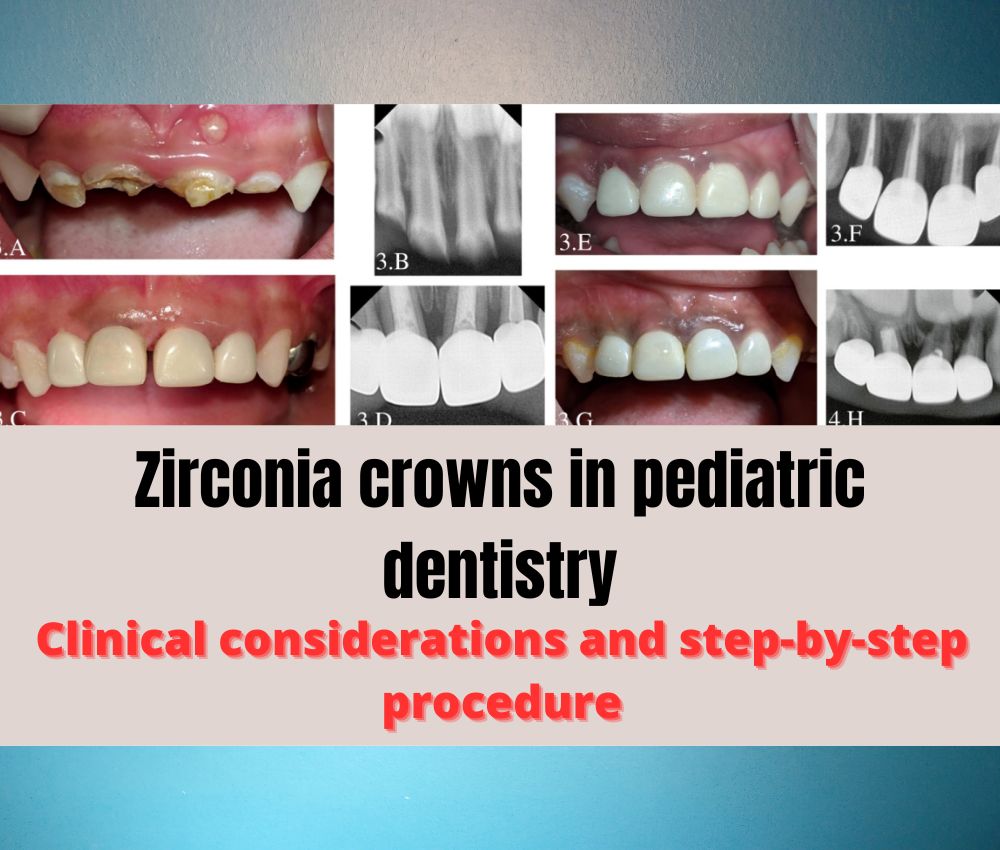
Zirconia crowns in pediatric dentistry: Clinical considerations and step-by-step procedure
How Do Sodas Affect Your Teeth? Understanding the Hidden Dental Risks

Fluoride Toxicity in Children: Symptoms, Immediate Actions, and Prevention — A Comprehensive Clinical Guide

Fluoride Toxicity

Fluoride toxicity in children remains a significant clinical concern due to the widespread use of fluoride-containing products in pediatric oral health. While fluoride is essential for dental caries prevention, excessive ingestion can lead to acute or chronic toxicity, compromising systemic health.

📌 Recommended Article :
Dental Article 🔽 Fluoride in Pediatric Dentistry: Dosage, Frequency, and Current Controversies ... Key aspects include topical vs. systemic fluoride, caries-preventive effectiveness, and a special update on recent FDA considerations (2025) related to systemic fluoride supplements.
This article provides an updated, evidence-based, and SEO-optimized review of symptoms, emergency actions, preventive strategies, and comprehensive management of fluoride toxicity in the pediatric population.

Advertisement

Overview of Fluoride Toxicity
Fluoride toxicity occurs when the ingested dose exceeds the body’s capacity to metabolize and excrete fluoride safely. The probable toxic dose (PTD) is approximately 5 mg/kg body weight, and ingestion above this threshold requires emergency assessment (AAPD, 2023).
Excessive exposure can arise from toothpaste, mouth rinses, dietary supplements, or accidental ingestion of professional topical fluoride products.

📌 Recommended Article :
Dental Article 🔽 Silver Diamine Fluoride in Pediatric Dentistry: A Review ... Silver Diamine Fluoride (SDF) has emerged as a non-invasive and cost-effective treatment for managing dental caries in children.
How Fluoride Toxicity Affects General Health

➤ Systemic Impact
Excessive fluoride affects multiple body systems:
▪️ Gastrointestinal system: irritation of gastric mucosa causing nausea, vomiting, abdominal pain.
▪️ Electrolyte balance: risk of hypocalcemia and hyperkalemia due to fluoride’s strong affinity for calcium ions.
▪️ Neuromuscular system: muscle spasms, paresthesia, and in severe cases, seizures.
▪️ Cardiovascular system: altered cardiac function from electrolyte imbalance.
▪️ Skeletal development: chronic high intake may result in dental fluorosis and skeletal fluorosis.

📌 Recommended Article :
Dental Article 🔽 Fluoride Varnish in Pediatric Dentistry: Benefits, Indications, Mechanism, and Application Protocol ... Due to its ease of application, safety, and efficacy, it has become an essential part of caries management in clinical pediatric practice.
Early Signs and Symptoms of Fluoride Toxicity in Children

➤ Mild to moderate ingestion may present with:
▪️ Nausea and vomiting (often the earliest sign)
▪️ Hypersalivation
▪️ Abdominal pain
▪️ Diarrhea
▪️ Headache
▪️ Weakness or fatigue

➤ Severe ingestion may lead to:
▪️ Hypocalcemia-related tetany
▪️ Cardiac arrhythmias
▪️ Seizures
▪️ Respiratory depression
▪️ Life-threatening toxicity if untreated
Children are at higher risk because of lower body weight and tendency to swallow toothpaste.

📌 Recommended Article :
Dental Article 🔽 Enamel Hypoplasia vs Dental Fluorosis: Key Differences, Diagnosis, and Treatment ... Enamel hypoplasia and dental fluorosis are two developmental defects of enamel frequently encountered in clinical dentistry.
Immediate Actions When Fluoride Toxicity Is Suspected

➤ Emergency Management Protocol
1. Assess the amount ingested and body weight to estimate toxicity risk.
2. Administer milk or calcium-rich products immediately to bind fluoride and reduce absorption.
3. Do NOT induce vomiting.
4. Seek emergency medical evaluation, especially if ingestion approaches or exceeds 5 mg/kg.
5. Monitor vital signs and prepare for electrolyte correction in a clinical setting.
6. Severe cases may require IV calcium gluconate, cardiac monitoring, and supportive therapy.

📌 Recommended Article :
Webinar 🔽 Webinar: Silver Diamine Fluoride – A Silver Renaissance in Dentistry - Dr. Anas Al Salami ... Silver Diamine Fluoride (SDF) has emerged as a transformative option in pediatric dentistry, marking a true renaissance in caries management.
Prevention Strategies in Pediatric Dental Care

➤ Evidence-Based Prevention Measures
▪️ Parents should supervise brushing until at least age 6.
▪️ Use smear layer of toothpaste for children under 3; use a pea-sized amount from ages 3–6 (CDC, 2024).
▪️ Store fluoride products out of children’s reach.
▪️ Avoid flavored toothpaste that encourages swallowing.
▪️ Evaluate dietary fluoride sources: water fluoridation, supplements, combined exposures.
▪️ Provide structured parental counseling during dental visits.

📊 Comparative Table: Fluoride Sources in Children

Aspect Advantages Limitations
Community Water Fluoridation Reduces caries at population level Risk of overexposure if combined with supplements
Fluoride Toothpaste Highly effective; easy to access Children may swallow excessive amounts if unsupervised

💬 Discussion
The balance between the preventive benefits of fluoride and the risks of toxicity requires strategic dosing, parental education, and clinician guidance. Most toxicity events are preventable and relate to unsupervised access or incorrect use of fluoride-containing products. Updated protocols from ADA and CDC emphasize minimizing risk through tailored dosing and behavioral supervision.

📌 Recommended Article :
PDF 🔽 Fluoride Varnish in the Prevention of Dental Caries in Children and Adolescents: A Systematic Review ... We share an article that reviews the literature and develops a protocol for the use of fluoride varnish as a caries preventive agent in children and adolescents.
✍️ Conclusion
Fluoride toxicity in children is rare but potentially serious. Early recognition of symptoms, prompt emergency actions, and preventive strategies are crucial to ensuring safety. When used correctly, fluoride remains one of the most powerful tools for caries prevention in pediatric dentistry. Clinicians must continue reinforcing safe use to eliminate avoidable toxic exposures.

🔎 Recommendations
▪️ Educate parents on appropriate fluoride dosing based on age.
▪️ Emphasize supervision during brushing.
▪️ Assess total fluoride exposure at every dental visit.
▪️ Maintain updated emergency protocols for accidental ingestion.
▪️ Promote community awareness regarding the safe storage of dental products.

📚 References

✔ American Academy of Pediatric Dentistry. (2023). Policy on use of fluoride. AAPD Reference Manual. https://www.aapd.org
✔ Centers for Disease Control and Prevention. (2024). Children’s oral health: Fluoride use. U.S. Department of Health and Human Services. https://www.cdc.gov
✔ Agency for Toxic Substances and Disease Registry. (2023). Toxicological profile for fluoride. U.S. Department of Health and Human Services. https://www.atsdr.cdc.gov
✔ Whitford, G. M. (2011). Fluoride in dental products: Safety considerations. Journal of Dental Research, 90(6), 573–582. https://doi.org/10.1177/0022034510384626

📌 More Recommended Items

Latest FDA Guidelines (2025) on Fluoride Use in Children: What Dentists Need to Know
Xylitol and Dental Caries Prevention in Children: Mechanism, Benefits, and Clinical Use
Fluoride Recommendations for Children in the US: What Parents Should Know

martes, 2 de diciembre de 2025

Parent’s Guide to Preventing Early Childhood Caries (ECC) with ADA & AAPD Recommendations

Early Childhood Caries

Early Childhood Caries (ECC) remains one of the most common chronic childhood diseases in the United States, Canada, the United Kingdom, and Australia.

📌 Recommended Article :
Dental Article 🔽 Fluoride in Pediatric Dentistry: Dosage, Frequency, and Current Controversies ... Key aspects include topical vs. systemic fluoride, caries-preventive effectiveness, and a special update on recent FDA considerations (2025) related to systemic fluoride supplements.
This guide presents prevention strategies supported by the ADA and AAPD, offering parents actionable, evidence-based advice to protect their child’s oral health from infancy through early development.

Advertisement

Introduction
Early Childhood Caries (ECC) is defined as the presence of one or more decayed, missing, or filled tooth surfaces in a child under six years of age. According to the American Academy of Pediatric Dentistry (AAPD) and the American Dental Association (ADA), ECC disproportionately affects children from low-income households and remains a major public health concern in English-speaking countries.
The purpose of this guide is to provide updated, parent-friendly, evidence-based prevention strategies aligned with ADA and AAPD standards.

📌 Recommended Article :
Dental Article 🔽 Latest FDA Guidelines (2025) on Fluoride Use in Children: What Dentists Need to Know ... This article analyzes the 2025 FDA updates on fluoride use in children, focusing on systemic (ingestible) restrictions, safety concerns, and clinical implications.
1. Understanding ECC Risk Factors
▪️ Frequent consumption of sugary drinks, including juice and flavored milk
▪️ Bedtime bottles with anything other than water
▪️ Poor oral hygiene habits
▪️ Low fluoride exposure
▪️ Transmission of cariogenic bacteria from caregivers
▪️ Socioeconomic barriers to dental care

Parents play a critical role in reducing ECC risk early through consistent hygiene, fluoride use, and dietary habits.

📌 Recommended Article :
Dental Article 🔽 Rampant Caries vs Early Childhood Caries (ECC): Clinical and Preventive Insights ... Among its severe forms, ECC and rampant caries demand special attention due to their rapid progression and systemic implications.
2. ADA- & AAPD-Approved Prevention Strategies

A. Establishing the Dental Home by Age 1
The ADA and AAPD recommend scheduling the first dental visit by age 12 months. Early evaluation allows risk assessment, anticipatory guidance, and professional fluoride application.

B. Daily Fluoride Toothpaste Use
Using a smear (rice-sized) amount for children under 3 and a pea-sized amount for children 3–6 is strongly supported by both ADA and AAPD. Fluoride toothpaste is considered safe, effective, and essential for cavity prevention.

C. Evidence-Based Nutrition Recommendations
Parents should:
▪️ Limit juice to ≤4 oz/day for toddlers
▪️ Avoid sticky snacks and frequent grazing
▪️ Offer water between meals instead of sugary drinks
▪️ Prioritize fresh fruits, vegetables, lean proteins, and whole grains

D. Professional Fluoride Varnish
The AAPD and U.S. Preventive Services Task Force (USPSTF) recommend professional fluoride varnish every 3–6 months for children at risk of ECC.

E. Avoiding High-Risk Behaviors
▪️ No bottle-feeding in bed
▪️ No sharing utensils with infants
▪️ Discouraging prolonged breastfeeding on demand at night after tooth eruption

📌 Recommended Article :
Dental Article 🔽 Preventing Dental Emergencies in Primary Dentition: Caries, Abscesses and Early Intervention ... This article examines preventive strategies to reduce dental emergencies in primary dentition, focusing on early childhood caries, dental abscesses, and the role of early intervention in maintaining oral health.
3. Early Warning Signs Parents Should Monitor
Parents should promptly seek care if they notice:

▪️ White spot lesions along the gumline
▪️ Brown discolorations
▪️ Sensitivity or discomfort during eating
▪️ Visible holes or fractures
▪️ Swelling or abscess formation

Early detection prevents progression and reduces invasive treatments.

📊 Comparative Table: Preventive Fluoride Options for Children

Aspect Advantages Limitations
Fluoride Toothpaste Widely available, inexpensive, ADA-approved Requires parental supervision to avoid swallowing
Fluoride Varnish Highly effective, applied professionally, safe for infants Needs regular dental visits; temporary taste/texture dislike

💬 Discussion
ECC prevention requires a multifactorial approach, integrating oral hygiene, fluoride exposure, dietary regulation, and early professional care. Research consistently shows that fluoride toothpaste and varnish significantly reduce caries risk when used correctly.
Because ECC is influenced by behaviors and environment, parents must receive clear, practical guidance, especially regarding high-risk dietary habits and nighttime feeding. Support from public health programs and early establishment of the dental home are essential for long-term success.

📌 Recommended Article :
Dental Article 🔽 Chemical Caries Removal: Drill-Free Technique, Materials, and Clinical Application ... Chemical caries removal is a minimally invasive technique that allows for the selective elimination of decayed dentin without the use of a dental drill.
✍️ Conclusion
Early Childhood Caries is largely preventable when families follow ADA- and AAPD-endorsed strategies, including early dental visits, fluoride use, healthy nutrition, and consistent oral hygiene. Empowering parents with accurate and evidence-based information is key to reducing ECC prevalence and promoting healthier childhood development across English-speaking communities.

🔎 Recommendations
▪️ Schedule the first dental visit by age 1
▪️ Brush twice daily using fluoride toothpaste according to age
▪️ Avoid sugary drinks and snacks between meals
▪️ Do not put the child to bed with a bottle
▪️ Request fluoride varnish applications every 3–6 months
▪️ Replace toothbrushes every 3 months or after illness
▪️ Monitor for early signs of white spot lesions
▪️ Maintain regular dental check-ups through childhood

📚 References

✔ American Academy of Pediatric Dentistry. (2023). Guideline on caries-risk assessment and management for infants, children, and adolescents. AAPD. https://www.aapd.org/
✔ American Dental Association. (2022). Fluoride toothpaste use for young children. ADA. https://www.ada.org/
✔ Centers for Disease Control and Prevention. (2022). Children’s oral health. CDC. https://www.cdc.gov/oralhealth/
✔ Tinanoff, N., Reisine, S., & Lee, J. (2022). Update on early childhood caries. Pediatric Dentistry, 44(5), 341–349.
✔ U.S. Preventive Services Task Force. (2021). Prevention of dental caries in children younger than 5 years: Screening and interventions. JAMA, 326(21), 2172–2179.

📌 More Recommended Items

How Is Early Childhood Caries Managed in Canada? Evidence-Based Pediatric Approaches
Glass Ionomer Cement in Pediatric Dentistry: Benefits, Uses, and Step-by-Step Application Guide
Fluoride Varnish in Pediatric Dentistry: Benefits, Indications, Mechanism, and Application Protocol

domingo, 30 de noviembre de 2025

Mouth Breathing in Children and Adults: Why It Is Harmful and How to Manage It

Tooth Extraction

Mouth breathing is a chronic dysfunctional breathing pattern linked to anatomical obstruction, habits, and sleep-related disorders.

📌 Recommended Article :
Dental Article 🔽 Oral breathing: new early treatment protocol ... Mouth breathing is multifactorial, and its consequences are short and long term, and it is evident in the oral cavity and in general health. Early evaluation and treatment by the pediatric dentistry and pediatrician is necessary.
Its long-term consequences affect craniofacial development, oral health, systemic physiology, and quality of life. Early diagnosis and intervention are essential to prevent irreversible changes, particularly in children.

Advertisement

Introduction
Mouth breathing refers to the predominant use of the oral cavity instead of the nose for airflow at rest. While occasional mouth breathing during a cold or intense exercise is normal, persistent oral respiration is clinically significant. Research shows that chronic mouth breathing disrupts nasal filtration, alters muscle activity, modifies dental arch development, and contributes to both malocclusions and sleep-disordered breathing (Zaghi et al., 2022). Early identification is crucial because craniofacial structures in children are still developing and more susceptible to functional changes.

📌 Recommended Article :
Dental Article 🔽 How to Correct Harmful Oral Habits in Children That Affect Facial and Dental Development ... Early childhood is a critical period for craniofacial and dental development. Certain harmful oral habits, such as thumb sucking, mouth breathing, or nail biting, can interfere with proper facial growth and tooth alignment.
Causes of Mouth Breathing

➤ Anatomical Causes
▪️ Adenoid or tonsillar hypertrophy
▪️ Deviated nasal septum
▪️ Chronic allergic rhinitis
▪️ Nasal polyps
▪️ Inferior turbinate hypertrophy

➤ Functional and Behavioral Causes
▪️ Habitual open-mouth posture
▪️ Thumb sucking or prolonged pacifier use
▪️ Incorrect resting tongue position
▪️ Orofacial muscle hypotonia

➤ Sleep-Related Causes
▪️ Obstructive Sleep Apnea (OSA)
▪️ Primary snoring
▪️ Sleep-disordered breathing secondary to obesity

📌 Recommended Article :
PDF 🔽 Clinical Case: Pseudo class III treatment in 2-year-old children ... Untreated pseudo class III may lead to serious problems. The case report describes pseudo class III in primary dentition successfully treated by using Protrusive Arch Wire.
Clinical Consequences in Children

➤ Craniofacial Growth Alterations
Chronic mouth breathing can redirect mandibular and maxillary growth patterns, producing the classic long-face syndrome (adenoid facies). Associated findings include:
▪️ Narrow maxilla
▪️ High palatal vault
▪️ Increased lower facial height
▪️ Posterior crossbite
▪️ Class II malocclusion tendencies

➤ Oral Health Impacts
▪️ Increased risk of dental caries due to reduced salivary flow
▪️ Gingival inflammation
▪️ Halitosis
▪️ Lip incompetence and dry mucosa

➤ Systemic and Behavioral Consequences
▪️ Daytime fatigue
▪️ Learning difficulties
▪️ Reduced concentration
▪️ Behavioral issues resembling ADHD
▪️ Poor sleep quality

📌 Recommended Article :
Dental Article 🔽 Is Your Child A Mouth Breather? ... Mouth breathing, defined as habitual or chronic inhalation through the mouth rather than the nose, predominantly arises from nasal obstruction but may also become a learned habit.
Clinical Consequences in Adults

➤ Oral and Periodontal Effects
Persistent oral breathing in adults often leads to:
▪️ Chronic xerostomia
▪️ Gingivitis and periodontitis progression
▪️ Higher susceptibility to root caries

➤ Respiratory and Sleep Effects
▪️ Snoring
▪️ Sleep-disordered breathing
▪️ Reduced oxygen saturation during sleep
▪️ Morning headaches

➤ Musculoskeletal and Postural Changes
▪️ Forward head posture
▪️ Neck and shoulder tension
▪️ Temporomandibular joint (TMJ) discomfort

📌 Recommended Article :
Video 🔽 Early Orthodontic Treatment: The Essential Knowledge for a General Dental Practitioner ... The general dentist must know what are the characteristics of occlusion in infants, to identify the habits or factors that can generate a pathology.
Diagnosis

➤ Clinical Evaluation
A comprehensive assessment includes:
▪️ Nasal patency examination
▪️ Lip competence observation
▪️ Tongue posture evaluation
▪️ Adenoid/tonsillar inspection
▪️ Cervicofacial posture assessment

➤ Complementary Exams
▪️ Lateral cephalometric radiograph
▪️ Nasal endoscopy (ENT evaluation)
▪️ Sleep study if OSA is suspected

📌 Recommended Article :
Dental Article 🔽 Nolla Stages: Clinical Guide and Comparative Table ... The Nolla method (1960) established 11 stages of dental maturation, from the absence of calcification to the complete eruption of the tooth in the arch.
Evidence-Based Treatment

➤ Treatment in Children
Management depends on etiology and severity:
▪️ Adenotonsillectomy for obstructive hypertrophy
▪️ Allergy control (intranasal corticosteroids or antihistamines under medical guidance)
▪️ Maxillary expansion (RPE, SME) to widen nasal cavity and improve airflow
▪️ Myofunctional therapy to correct oral posture
▪️ Discontinuation of harmful habits

➤ Treatment in Adults
▪️ Nasal obstruction management (surgical or medical depending on case)
▪️ CPAP if associated with OSA
▪️ Orthodontic or orthognathic treatment when skeletal discrepancies persist
▪️ Orofacial myofunctional training

📊 Comparative Table: Nasal Breathing vs. Mouth Breathing

Aspect Advantages Limitations
Nasal Breathing Filters, warms and humidifies air; supports optimal craniofacial growth Limited during obstruction or anatomical deviations
Mouth Breathing Allows airflow when nasal passages are blocked Leads to malocclusions, dry mouth, poor sleep and systemic effects

💬 Discussion
Chronic mouth breathing is not a simple habit; it is a multifactorial condition with structural, functional, and behavioral consequences. Evidence shows that early intervention produces better outcomes, especially in the pediatric population where craniofacial growth can still be redirected. Adults, on the other hand, often require combined therapies rather than single-modality treatment. A multidisciplinary approach—pediatric dentistry, ENT, orthodontics, speech therapy, sleep medicine—is essential for long-term success.

📌 Recommended Article :
Dental Article 🔽 Maxillary Orthopedics vs. Interceptive Orthodontics: Understanding Their Clinical Differences ... This article explores their definitions, characteristics, objectives, and the most common appliances used in each approach.
✍️ Conclusion
Mouth breathing substantially affects oral health, craniofacial development, systemic physiology, and sleep quality. Early diagnosis and targeted intervention are essential to prevent irreversible complications. Both adults and children benefit from an individualized management plan addressing nasal obstruction, soft-tissue dysfunction, and skeletal discrepancies.

🔎 Recommendations
▪️ Evaluate nasal patency and adenoid/tonsil size in all mouth-breathing children.
▪️ Implement orthodontic expansion when indicated.
▪️ Consider ENT referral early when obstruction is suspected.
▪️ Educate parents about the impact of oral habits on breathing.
▪️ Incorporate myofunctional therapy as part of long-term rehabilitation.
▪️ For adults, screen for sleep-disordered breathing before starting treatment.

📚 References

✔ Villa, M. P., Evangelisti, M., Barreto, M., Cecili, M., & Kaditis, A. G. (2017). Nasal obstruction in children: A clinical review. International Journal of Pediatric Otorhinolaryngology, 99, 81–88. https://doi.org/10.1016/j.ijporl.2017.05.029
✔ Zaghi, S., Patel, P., Barber, R., & Guilleminault, C. (2022). Sleep disordered breathing, mouth breathing, and craniofacial development: The role of myofunctional therapy. Sleep Medicine Reviews, 61, 101572. https://doi.org/10.1016/j.smrv.2021.101572
✔ Camacho, M., Certal, V., Abdullatif, J., et al. (2015). Myofunctional therapy to treat obstructive sleep apnea: A systematic review and meta-analysis. Sleep, 38(5), 669–675. https://doi.org/10.5665/sleep.4652

📌 More Recommended Items

Clinical recognition of mouth breathing children
Early Diagnosis and Management of Impacted Canines: A Clinical Guide for Pediatric and Orthodontic Practitioners
Pacifier Use in Infants: Dental Risks and Recommendations

sábado, 29 de noviembre de 2025

When Should an Infected Tooth Be Extracted? Updated Criteria for Primary and Permanent Dentition

Tooth Extraction

The decision to extract an infected tooth requires a careful assessment of the severity of the infection, the prognosis of the tooth, and the systemic risks for the patient.

📌 Recommended Article :
Dental Article 🔽 Analgesic and Antibiotic Recommendations in Pediatric Oral Surgery ... Selecting appropriate analgesic and antibiotic therapy is essential to ensure safety, comfort, and recovery while minimizing adverse reactions and resistance.
In both primary and permanent dentition, timely diagnosis prevents the progression of infection, reduces pain, and avoids complications such as cellulitis, osteomyelitis, or damage to successor teeth.

Advertisement

Understanding Dental Infections in Children and Adults
Dental infections originate from bacterial invasion into the pulp chamber, leading to pulpitis, necrosis, and eventually periapical pathology. Treatment options vary depending on whether the tooth can be restored, the extent of bone destruction, and the patient’s age.

📌 Recommended Article :
Dental Article 🔽 Key Differences Between Pediatric and Adult Odontogenic Infections: Updated Clinical Guidelines ... This article outlines the major anatomical, clinical, and therapeutic distinctions between pediatric and adult odontogenic infections, highlighting the need for age-specific diagnosis and treatment approaches.
Signs and Symptoms That Indicate a Tooth May Need Extraction

➤ Primary Teeth
▪️ Persistent dental abscess or fistula despite prior treatment
▪️ Severe root resorption affecting tooth stability
▪️ Pathological mobility not due to normal exfoliation
▪️ Presence of a cystic lesion associated with the primary tooth
▪️ Infection compromising the permanent successor, causing hypoplasia or displacement
▪️ Extensive crown destruction preventing pulpotomy or pulpectomy
▪️ Non-restorable tooth due to decay or trauma

➤ Permanent Teeth
▪️ Irreversible pulpitis with poor restorative prognosis
▪️ Vertical root fracture confirmed clinically or radiographically
▪️ Advanced periodontal disease with mobility grade III
▪️ Non-restorable decay extending subgingivally
▪️ Recurrent infection after endodontic treatment with no predictable retreatment success
▪️ Extensive bone loss around the tooth due to chronic infection
▪️ Systemic involvement: fever, swelling, or cellulitis spreading to fascial spaces

📌 Recommended Article :
Video 🔽 Tooth Extraction Aftercare Tips ... Before extracting a tooth, the dental surgeon must instruct the patient on pre and post operative care. These recommendations are intended to protect the wound and the healing process.
Evidence-Based Treatment Options Before Considering Extraction

➤ Primary Dentition
▪️ Pulpotomy (for reversible pulp inflammation)
▪️ Pulpectomy (in select cases where canals are accessible and root structure remains)
▪️ Antibiotics only when systemic involvement is present; antibiotics do not replace definitive treatment

➤ Permanent Dentition
▪️ Root canal therapy
▪️ Periodontal therapy in cases of combined endo-perio lesions
▪️ Endodontic retreatment or apical surgery when feasible
If the prognosis remains unfavorable, extraction becomes the safest option.

📌 Recommended Article :
Dental Article 🔽 Serial Extractions in Pediatric Dentistry: Clinical Phases, Benefits, and Updated Guidelines ... This article provides an evidence-based review of the clinical phases of serial extractions, their benefits, indications, and current recommendations.
Indications for Immediate Extraction

▪️ Rapidly spreading infection, facial swelling, difficulty swallowing, or systemic signs
▪️ Non-restorable tooth structure
▪️ Extensive periapical destruction
▪️ Tooth acting as a reservoir of infection in medically compromised patients
▪️ Teeth interfering with the eruption path of permanent successors (primary teeth)

📊 Comparative Table: Extraction Criteria in Primary vs. Permanent Teeth

Aspect Advantages Limitations
Primary Teeth: Early Extraction of Infected Teeth Prevents damage to permanent successors; reduces recurrence Risk of space loss; may require a space maintainer
Permanent Teeth: Conservative Treatment First Preserves natural dentition; avoids prosthetic replacement Not viable if tooth is non-restorable or infection persists

💬 Discussion
Determining when to extract an infected tooth requires integrating clinical findings, radiographic evidence, child development considerations, and patient history. Primary teeth demand careful evaluation due to the close relationship with permanent buds. For permanent teeth, the decision prioritizes long-term oral health, potential restoration success, and systemic risk.

📌 Recommended Article :
Dental Article 🔽 How to Prevent Dry Socket After Tooth Extraction: Signs, Prevention, and Treatment Guide ... Preventing dry socket is a key responsibility shared by both dental professionals and patients, involving proper surgical technique, patient education, and targeted pharmacological management.
✍️ Conclusion
An infected tooth requires extraction when restorative options are no longer viable, when infection threatens systemic health, or when the tooth compromises normal dental development. Evidence-based assessment ensures safe outcomes for both children and adults, reducing complications and supporting long-term oral health.

🔎 Recommendations
▪️ Evaluate both clinical and radiographic findings before extraction.
▪️ Prioritize conservative treatments when prognosis is acceptable.
▪️ In pediatric patients, assess potential harm to permanent successors.
▪️ In adults, consider systemic risk factors such as diabetes or immunosuppression.
▪️ Educate caregivers about early signs of infection to avoid severe complications.

📚 References

✔ American Academy of Pediatric Dentistry. (2022). Pulp therapy for primary and immature permanent teeth. AAPD Clinical Guidelines. https://www.aapd.org
✔ American Dental Association. (2020). Management of dental infections. ADA Evidence-Based Guidelines. https://www.ada.org
✔ Gomes, B. P. F. A., Fernandes, A. M., Jacinto, R. C., Zaia, A. A., Ferraz, C. C. R., & Souza-Filho, F. J. (2022). Microbial profile of infected primary teeth. International Journal of Paediatric Dentistry, 32(1), 32–40.
✔ Segura-Egea, J. J., Gould, K., Şen, B. H., et al. (2017). Antibiotics in endodontics: A review. International Endodontic Journal, 50(12), 1169–1184.
✔ Trope, M., & Chivian, N. (2020). The role of endodontics after dental trauma. Dental Clinics of North America, 64(1), 197–210.

📌 More Recommended Items

Differential Diagnosis of Post-Extraction Conditions: Clinical Guide for Dentists
Post-Extraction Dental Care: How to Prevent Infections Effectively
Manual of Local Anesthesia - Anesthetic techniques and anatomical references

Protocols for the Management of Dentoalveolar Trauma in Children: Updated Clinical Guidelines

Dentoalveolar Trauma

Dentoalveolar trauma in children requires rapid diagnosis, structured decision-making, and age-appropriate treatment protocols.

📌 Recommended Article :
PDF 🔽 Guidelines for the management of traumatic dental injuries in the primary dentition ... Dental traumas in pediatric patients represent 18% of all injuries and that is due to the activities of children, and they occur more frequently when they learn to crawl, walk or run.
This article reviews evidence-based guidelines, focusing on emergency response, tooth-specific approaches, and follow-up recommendations.

Advertisement

Introduction
Dentoalveolar trauma represents one of the most frequent pediatric dental emergencies, with an incidence peak in children aged 8 to 12 years. Injuries may affect the teeth, periodontal ligament, alveolar bone, and soft tissues. Proper management relies on accurate classification, immediate stabilization, and long-term monitoring to prevent complications such as pulp necrosis, ankylosis, or tooth loss.

1. Diagnosis and Initial Assessment
A systematic evaluation includes:

▪️ Trauma history: mechanism, timing, contamination.
▪️ Clinical examination: tooth mobility, displacement, soft-tissue injuries.
▪️ Radiographic assessment: periapical radiographs or occlusal views to detect fractures or displacement.
▪️ Assessment for non-accidental injury in very young children.

Key diagnostic criteria involve identifying the type of injury according to the International Association of Dental Traumatology (IADT) classification.

📌 Recommended Article :
Dental Article 🔽 Pediatric Dental Emergencies: How to Face an Urgent Consultation ... This article reviews the most common emergencies, including trauma, infections, and soft tissue injuries, offering an evidence-based guide for clinical management.
2. Common Types of Dentoalveolar Trauma in Children

2.1. Concussion and Subluxation
➤ Features: Tenderness, mobility without displacement.
➤ Management: Occlusal relief if needed; soft diet for 7–10 days; periodic monitoring for pulp vitality.

2.2. Luxation Injuries
➤ Lateral luxation: Displacement with alveolar fracture; reposition and splint for 4 weeks.
➤ Extrusion: Gentle repositioning and flexible splinting for 2 weeks.
➤ Intrusion:
▪️ Primary teeth: allow spontaneous re-eruption.
▪️ Permanent teeth: spontaneous repositioning or orthodontic repositioning depending on root development.

2.3. Dental Avulsion
➤ Primary teeth: Replantation not recommended.
➤ Permanent teeth: Immediate replantation is the gold standard when feasible.
▪️ Transport medium: HBSS, milk, saline.
▪️ Splint: Flexible, 2 weeks.
▪️ Systemic antibiotics may be indicated (amoxicillin or doxycycline depending on age).

2.4. Crown and Root Fractures
➤ Uncomplicated fractures: Composite restoration.
➤ Complicated fractures: Pulp therapy based on stage of root development.
➤ Root fractures: Repositioning and 4-week splint.

2.5. Alveolar Process Fractures
➤ Repositioning of the segment and 4–6 week rigid splinting.

📌 Recommended Article :
PDF 🔽 Reimplantation of avulsed dry permanent teeth after three days: A report of two cases ... The success of reimplantation depends on many factors among which are the time lapse before the tooth is reimplanted in the socket and the storage medium of the avulsed tooth.
3. Follow-Up Protocols
Follow-up intervals recommended by the IADT:

▪️ 1 week, 1 month, 3 months, 6 months, and 1 year, then annually for 5 years.
▪️ Pulp vitality monitoring: thermal, electric tests, and radiographs.
Early detection of pulp necrosis, pulp canal obliteration, or inflammatory root resorption is essential.

📌 Recommended Article :
PDF 🔽 Reimplantation of avulsed permanent teeth after three days: Clinical case in a pediatric patient ... Dental avulsion consists of the total detachment of the tooth from the socket, as a consequence of a strong trauma that affects the oral cavity. Given this urgency, it is important to go to the dentist to be able to reimplant it.
4. Prevention Strategies

▪️ Use of mouthguards during sports.
▪️ Parental education on safe home environments.
▪️ Management of behavioral conditions (e.g., ADHD) associated with higher trauma incidence.

📊 Comparative Table: Splint Options in Pediatric Dental Trauma

Aspect Advantages Limitations
Flexible Splints Promote periodontal healing; recommended by IADT Not suitable for alveolar fractures requiring rigid fixation
Rigid Splints Provide stability for alveolar process fractures Higher risk of ankylosis and root resorption in teeth

💬 Discussion
Management of dentoalveolar trauma requires prompt intervention, but treatment decisions must consider the child’s age, tooth type, root development, and prognosis. Evidence indicates that improper or delayed management increases risks of pulp necrosis, ankylosis, and tooth loss. The IADT 2020 guidelines emphasize minimally invasive approaches, flexible splints, and reduced use of antibiotics.
Interdisciplinary collaboration between pediatric dentists, endodontists, and radiologists improves long-term outcomes.

📌 Recommended Article :
Dental Article 🔽 What Are the Most Common Dental Emergencies and How Can You Manage Them? ... This article reviews the most common dental emergencies, including their definitions, clinical management, and evidence-based treatment guidelines.
✍️ Conclusion
Effective management of pediatric dentoalveolar trauma relies on accurate diagnosis, timely stabilization, and evidence-based treatment protocols. Long-term follow-up is essential to prevent complications such as root resorption or pulp necrosis. Prevention strategies significantly reduce incidence and severity. Updated IADT guidelines remain the gold standard in clinical practice.

🔎 Recommendations
▪️ Use IADT-based classification for all trauma cases.
▪️ Prioritize minimally invasive repositioning techniques and flexible splints.
▪️ Avoid unnecessary replantation of primary teeth.
▪️ Provide written post-operative instructions to parents.
▪️ Schedule structured follow-ups for at least 12 months after injury.

📚 References

✔ American Academy of Pediatric Dentistry. (2024). Guideline on Management of Acute Dental Trauma. AAPD Reference Manual.
✔ Andersson, L., Andreasen, J. O., Day, P., Heithersay, G., Trope, M., DiAngelis, A., Kenny, D. J., Sigurdsson, A., Bourguignon, C., & Flores, M. T. (2020). International Association of Dental Traumatology guidelines for the management of traumatic dental injuries. Dental Traumatology, 36(4), 314–330. https://doi.org/10.1111/edt.12589
✔ Malikaew, P., Watt, R. G., & Sheiham, A. (2003). Dental injuries in primary teeth. Dental Traumatology, 19(5), 252–256. https://doi.org/10.1034/j.1600-9657.2003.00204.x
✔ Flores, M. T. (2002). Traumatic injuries in the primary dentition. Dental Traumatology, 18(6), 287–298. https://doi.org/10.1034/j.1600-9657.2002.00122.x

📌 More Recommended Items

How to handle medical emergencies in pediatric dentistry?
Management of Anaphylactic Shock in Children: Updated Guide for Dentists – Effective Prevention and Treatment
Dental Splinting (Ferulization) in Primary and Young Permanent Teeth: Indications and Materials

jueves, 27 de noviembre de 2025

How Much Fluoride Is Too Much? Updated Guidelines for Children (Including 2025 FDA Recommendations)

Fluoride

The use of fluoride in pediatric dentistry remains a cornerstone for preventing dental caries. However, updated safety concerns and new regulatory actions by the U.S. Food and Drug Administration (FDA, 2025) have shifted recommendations regarding systemic fluoride supplementation.

📌 Recommended Article :
Dental Article 🔽 Fluoride in Pediatric Dentistry: Dosage, Frequency, and Current Controversies ... This article provides an updated academic review of fluoride use in pediatric dentistry, focusing on dosage, frequency, and current controversies.
Understanding how much fluoride is safe is essential for preventing dental fluorosis, optimizing caries prevention, and ensuring evidence-based care.

Advertisement

Overview of Fluoride and Its Clinical Relevance
Fluoride enhances enamel resistance, promotes remineralization, and reduces cariogenic bacterial activity. Despite these benefits, excessive systemic fluoride exposure during tooth development can lead to varying degrees of fluorosis. Determining the appropriate dosage depends on age, exposure sources, and caries risk.

📌 Recommended Article :
Video 🔽 How to Apply: Clinpro Sealant - Step by step ... There are several benefits of dental sealants, for example: it contributes to good brushing, prevents the accumulation of plaque in pits and fissures, avoids the presence of cavities on the occlusal surfaces, etc.
Updated FDA Position (2025): Key Points
The FDA’s 2025 update drastically changes how systemic fluoride supplements should be prescribed in children.

➤ Key regulatory updates include:
▪️ Restriction of oral fluoride supplements (drops/tablets) to children ≥3 years old, and only when they are at high caries risk.
▪️ Identification that many systemic fluoride products were never FDA-approved, prompting regulatory action to remove them from circulation.
▪️ Emphasis on topical fluoride products as the primary preventive strategy, which remain unaffected and are considered safe.
▪️ Recognition that routine systemic supplementation provides limited benefit in primary dentition, raising concerns about unnecessary exposure.
▪️ Consideration of potential systemic effects (e.g., gut microbiome alterations), though evidence remains inconclusive.

📌 Recommended Article :
Dental Article 🔽 Silver Diamine Fluoride in Pediatric Dentistry: A Review ... This review explores its mechanism of action, clinical indications, advantages, and limitations compared to other fluoride therapies used in pediatric dentistry.
Important note:
These updated recommendations override traditional supplementation tables commonly used in pediatric dentistry. Any systemic fluoride dosing must now be limited to older children (≥3 years), justified by documented high caries risk, and based on approved products available in the clinician’s region.

Evidence-Based Fluoride Recommendations for Children

1. Topical Fluoride (Safe and Preferred)

➤ Fluoride toothpaste (1000–1500 ppm):
▪️ Smear for less than 03 years; pea-sized for ≥3 years.
➤ Fluoride varnish (5% NaF):
▪️ Twice yearly for low risk; 3–4 times yearly for high risk.
➤ Rinses (0.05% NaF daily):
▪️ For children ≥6 years with moderate/high caries risk.

2. Systemic Fluoride (Now Highly Restricted)
Following the FDA 2025 guidance, systemic supplements should:

▪️ Be considered only for children ≥3 years.
▪️ Be prescribed only in high-risk cases.
▪️ Avoid use in areas with optimally fluoridated water.
▪️ Use the minimal effective dose if supplementation is deemed necessary.

Classic dosing tables remain referenced in literature but may not align with FDA restrictions.

📊 Comparative Table: Topical vs. Systemic Fluoride in Children (2025 Update)

Aspect Advantages Limitations
Topical Fluoride High caries prevention; minimal systemic absorption; FDA-safe Requires parental supervision to avoid ingestion
Systemic Fluoride (2025 restricted) Useful only in high-risk children without fluoridated water FDA restrictions; risk of fluorosis; limited benefit in primary dentition

💬 Discussion
The evolution of fluoride guidelines reflects a broader shift toward individualized, risk-based caries prevention. The 2025 FDA regulatory action emphasizes the importance of safety, approval status, and actual clinical benefit, particularly regarding systemic fluoride products. Meanwhile, topical fluoride modalities remain the most effective and safest strategies for preventing caries without increasing fluorosis risk.

📌 Recommended Article :
Dental Article 🔽 Latest FDA Guidelines (2025) on Fluoride Use in Children: What Dentists Need to Know ... It also reviews the role of topical fluoride, professional responses, and best-practice recommendations for pediatric dentists.
🔎 Recommendations
▪️ Prioritize topical fluoride as the primary preventive approach.
▪️ Use systemic fluoride only when strictly indicated, following updated FDA criteria.
▪️ Evaluate each child’s total fluoride exposure, including water, toothpaste ingestion, and diet.
▪️ Educate parents on safe brushing practices to minimize swallowing.
▪️ Monitor for early signs of dental fluorosis in high-risk communities.

✍️ Conclusion
Determining how much fluoride is “too much” requires balancing preventive benefits with safety, especially in developing dentition. The 2025 FDA restrictions reinforce a conservative approach to systemic fluoride use and highlight topical fluoride as the mainstay of pediatric caries prevention. Clinicians must remain updated and tailor fluoride exposure to each child’s unique risk factors.

📚 References

✔ American Dental Association. (2023). Fluoride: Topical and Systemic Benefits. https://www.ada.org
✔ Centers for Disease Control and Prevention. (2024). Community water fluoridation: Recommendations and guidelines. https://www.cdc.gov/fluoridation/
✔ Contemporary Pediatrics. (2025). FDA restricts sale of unapproved ingestible fluoride drugs for children. https://www.contemporarypediatrics.com/view/fda-restricts-sale-of-unapproved-ingestible-fluoride-drugs-for-children
✔ U.S. Food and Drug Administration. (2025a). Ingestible Fluoride Drug Products: Public Health Advisory. https://www.fda.gov/news-events/public-health-focus/ingestible-fluoride-drug-products
✔ U.S. Food and Drug Administration. (2025b). FDA acts to remove unapproved systemic fluoride drug products for children. https://www.fda.gov/news-events/press-announcements/

📌 More Recommended Items

Fluoride Recommendations for Children in the US: What Parents Should Know
Fluoride Varnish in Pediatric Dentistry: Benefits, Indications, Mechanism, and Application Protocol
Fluoride Varnish in the Prevention of Dental Caries in Children and Adolescents: A Systematic Review

martes, 25 de noviembre de 2025

Dental Fistula in Children: Causes, Diagnosis, and Evidence-Based Treatment

Dental Fistula

A dental fistula in children—also known as a parulis or gum boil—is a pathological drainage pathway that forms as a result of a chronic dental infection, usually originating from pulp necrosis due to deep caries or trauma.

📌 Recommended Article :
Dental Article 🔽 Facial Cellulitis vs. Angioedema in Dental Emergencies: Key Differences, Severity, and Management ... Facial cellulitis and angioedema are two potentially life-threatening conditions frequently encountered in dental emergencies. Although both present with facial swelling, they differ significantly in etiology, clinical presentation, and treatment approach.
Although often painless, a fistula indicates the presence of an active infectious process that requires immediate dental intervention. Understanding its etiology, clinical presentation, and management is essential for effective pediatric care.

Advertisement

Etiology of Dental Fistula in Pediatric Patients
The most frequent causes include:

1. Deep Dental Caries
The primary cause is untreated dental caries that lead to irreversible pulpitis and ultimately pulp necrosis. This allows bacterial proliferation and abscess development, culminating in fistula formation.

2. Dental Trauma
Trauma—particularly in anterior teeth—may cause pulpal ischemia and necrosis, increasing the risk of chronic periapical infection.

3. Developmental Anomalies
Anomalies such as dens invaginatus or enamel defects increase susceptibility to pulp exposure and infection.

4. Failed Dental Treatments
Incomplete pulpotomies, pulpectomies, or restorations can predispose the tooth to persistent infection.

📌 Recommended Article :
Dental Article 🔽 What Are the Symptoms of a Dental Infection? ... Dental infections typically arise from untreated dental caries, periodontal disease, or trauma that allows bacteria to invade the pulp or surrounding tissues.
Clinical Characteristics
A pediatric dental fistula typically presents as:

▪️ A small, raised white or yellowish lesion on the gingiva or mucosa
▪️ Intermittent pus drainage
▪️ Minimal pain (because pressure is released)
▪️ A necrotic primary or permanent tooth
▪️ Radiographic evidence of periapical radiolucency

The fistula itself is not the disease, but a symptom of the underlying infection.

📌 Recommended Article :
Dental Article 🔽 Dental Abscesses in Primary Teeth: Evidence-Based Management in 2025 ... This article reviews evidence-based approaches (2025) for diagnosis, management, and prevention, highlighting the importance of early intervention to preserve oral and general health.
Diagnosis
Diagnosis is primarily clinical, supported by:

➤ Radiographic Evaluation
▪️ Periapical radiograph or CBCT to identify periapical pathology
▪️ Tracing the fistulous tract with a gutta-percha cone
➤ Pulp Vitality Testing
Useful for permanent teeth; typically unreliable in primary teeth.
➤ Caries and Trauma Assessment
Determining the original source of infection is essential for treatment.

📌 Recommended Article :
Dental Article 🔽 Preventing Dental Emergencies in Primary Dentition: Caries, Abscesses and Early Intervention ... This article examines preventive strategies to reduce dental emergencies in primary dentition, focusing on early childhood caries, dental abscesses, and the role of early intervention in maintaining oral health.
Evidence-Based Treatment of Dental Fistula in Children
The goal is not to treat the fistula itself, but to eliminate the source of infection.

1. Pulp Therapy or Root Canal Treatment
▪️ Primary teeth: pulpectomy using resorbable materials
▪️ Permanent teeth: conventional root canal therapy
This eliminates bacterial load and restores periapical health.

2. Extraction of Non-Restorable Teeth
Indicated when:

▪️ The tooth has severe destruction
▪️ There is pathological mobility
▪️ Infection persists despite treatment

3. Systemic Antibiotics
Antibiotics are not first-line treatment but may be used when:

▪️ Facial cellulitis is present
▪️ The child has systemic symptoms (fever, malaise)
▪️ The infection is rapidly progressing

➤ Common pediatric antibiotic doses:
▪️ Amoxicillin: 40–50 mg/kg/day divided every 8–12 h
▪️ Amoxicillin + Clavulanate: 40–45 mg/kg/day (based on amoxicillin component) every 12 h
▪️ Clindamycin (penicillin allergy): 10–20 mg/kg/day divided every 6–8 h

These are evidence-based pediatric doses, but clinicians must consider weight, severity, and guidelines.

📌 Recommended Article :
Dental Article 🔽 Managing Pediatric Odontogenic Infections: Diagnosis, Symptoms, and Treatment Guidelines ... Odontogenic infections in children are frequent emergencies in pediatric dentistry. They arise from bacterial invasion of dental pulp and surrounding tissues, commonly due to untreated caries or trauma.
Prevention Strategies

▪️ Early and routine dental visits
▪️ Fluoride therapy for caries prevention
▪️ Restoration of early carious lesions
▪️ Traumatic injury prevention counseling
▪️ Sealants for high-risk occlusal surfaces

📊 Comparative Table: Management Approaches for Pediatric Dental Fistula

Aspect Advantages Limitations
Pulp Therapy (Pulpectomy) Preserves tooth structure; high success in primary teeth Requires child cooperation; not suitable for severely damaged teeth
Extraction Eliminates infection quickly; simple procedure May affect occlusion and arch space; requires space maintenance

💬 Discussion
A pediatric dental fistula is the result of a long-standing infectious process, most commonly linked to untreated caries, emphasizing the importance of early intervention and preventive dentistry. While fistulas may appear benign due to absence of pain, they reflect chronic periapical pathology that may compromise both primary and permanent dentition. Evidence indicates that definitive dental treatment, not antibiotics, is the most effective approach. When treated appropriately, prognosis is excellent and recurrence is rare.

📌 Recommended Article :
Dental Article 🔽 Key Differences Between Pediatric and Adult Odontogenic Infections: Updated Clinical Guidelines ... This article outlines the major anatomical, clinical, and therapeutic distinctions between pediatric and adult odontogenic infections, highlighting the need for age-specific diagnosis and treatment approaches.
✍️ Conclusion
A dental fistula in children is a visible sign of an underlying infection requiring prompt diagnosis and treatment. Elimination of the infectious source —whether through pulp therapy or extraction—is essential for complete healing. Preventive strategies remain key to avoiding severe complications and maintaining long-term pediatric oral health.

🔎 Recommendations
▪️ Evaluate any gingival lesion suspicious of a fistula with radiographs.
▪️ Treat the source of infection—not just the fistula.
▪️ Avoid unnecessary antibiotic use.
▪️ Emphasize prevention through caregiver education.
▪️ Monitor treated teeth until complete radiographic healing is confirmed.

📚 References

✔ American Academy of Pediatric Dentistry. (2024). Guideline on antibiotic therapy for pediatric dental patients. AAPD Reference Manual. https://www.aapd.org
✔ Fuks, A. B., Papagiannoulis, L., & Duggal, M. S. (2021). Pulp therapy for primary teeth. International Journal of Paediatric Dentistry, 31(1), 5–15. https://doi.org/10.1111/ipd.12701
✔ Siqueira, J. F., & Rôças, I. N. (2023). The microbiology of apical periodontitis. Dental Clinics of North America, 67(1), 1–16. https://doi.org/10.1016/j.cden.2022.08.001
✔ Robertson, A., & Andreasen, J. O. (2019). Traumatic dental injuries in children. Pediatric Dentistry, 41(3), 210–218.

📌 More Recommended Items

Surgical excision of mucocele with local anesthesia in an 8-month-old baby
Odontogenic facial cellulitis in a pediatric patient - Diagnosis, treatment and multidisciplinary management
Odontogenic infection in facial spaces - Pharmacological and surgical management in pediatric patients